
The world of paid online marketing is evolving at a breakneck pace, demanding future-ready approaches from every business. This guide arms you with actionable paid online marketing strategies designed for 2026, helping you stay ahead in a competitive digital environment. Discover the latest advertising channels, data-driven tactics, AI-powered optimisation, creative innovations, and measurement frameworks you need to succeed. Get ready to unlock new opportunities, master fresh strategies, and take confident steps towards marketing success.
The Evolution of Paid Online Marketing: Trends Shaping 2026
The landscape of paid online marketing is evolving at a rapid pace, driven by technological innovation, regulatory shifts, and changing consumer expectations. To remain competitive, businesses must adapt their strategies and embrace the trends shaping 2026. Let us explore the key developments transforming the way brands approach paid online marketing.
The Shift to Privacy-First Advertising
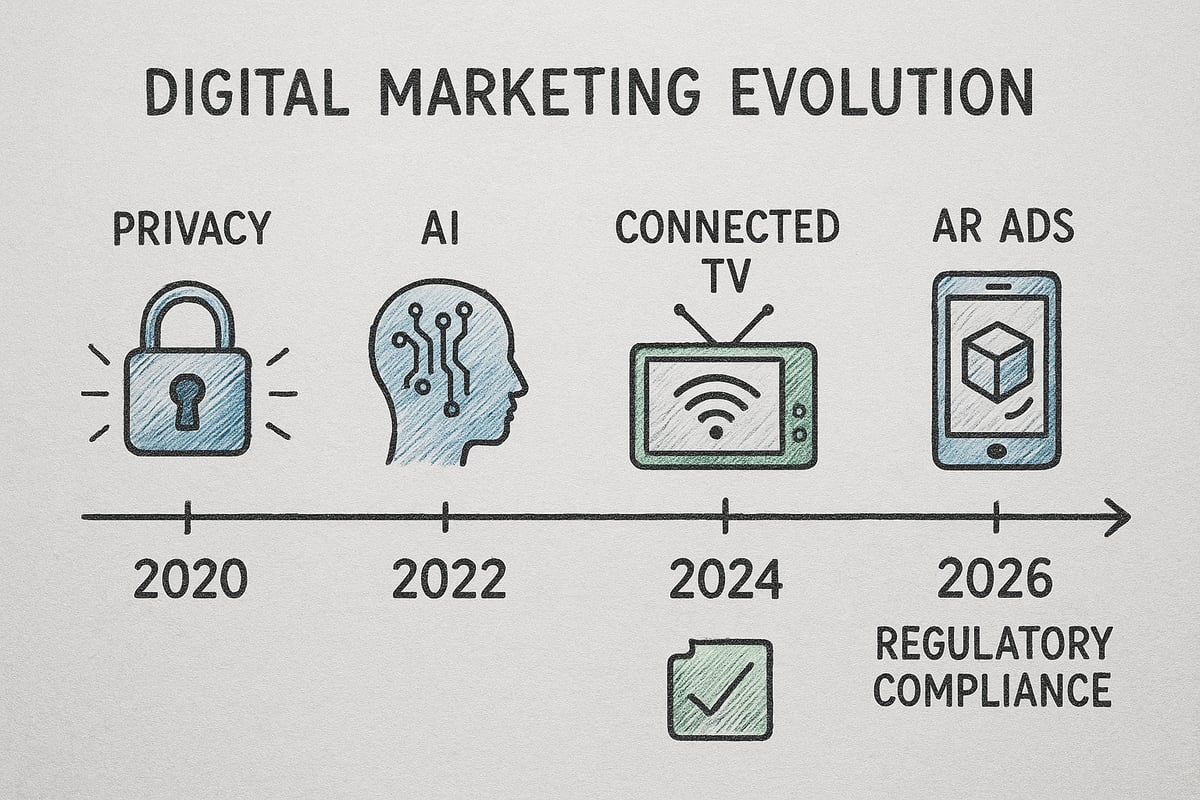
Privacy-first advertising is now a central pillar of paid online marketing strategy. The deprecation of third-party cookies is dramatically changing how brands target and measure campaigns. Marketers are turning to contextual targeting and leveraging first-party data collected directly from customers.
Key industry examples include Google’s Privacy Sandbox and Apple’s App Tracking Transparency, both of which prioritise user consent and data protection. As the reliance on third-party data wanes, businesses that invest in robust first-party data strategies will gain a competitive edge in paid online marketing.
Expansion of Paid Channels and Formats
The diversification of paid online marketing channels is accelerating. Platforms like TikTok, retail media networks, and connected TV (CTV) are drawing significant ad spend. Innovative formats such as shoppable videos, interactive ads, and AR experiences are gaining traction, enabling brands to engage audiences in new ways.
eMarketer predicts CTV ad spend will surpass $40 billion globally by 2026, underscoring the need to expand into these emerging spaces. To explore practical approaches and best practices, refer to Digital advertising best practices. Staying updated on evolving channels is crucial for effective paid online marketing.
AI and Automation in Campaign Management
Artificial intelligence is revolutionising paid online marketing, making campaign management more efficient and data-driven. Machine learning optimises bids, tests creative assets, and segments audiences at scale.
Generative AI is now used to create ad copy and visual assets, accelerating production and personalisation. Solutions like Meta Advantage+ and Google Performance Max campaigns demonstrate how automation can drive better results and free up marketers to focus on strategy. Embracing AI ensures your paid online marketing remains future-ready.
The Rise of Omnichannel Customer Journeys
Customer journeys are increasingly complex, spanning search, social, display, and programmatic channels. Integrating these touchpoints is essential for a seamless user experience and effective paid online marketing.
Unified messaging across platforms and robust cross-channel attribution help brands deliver consistent value and accurately measure impact. Marketers who master omnichannel strategies will build stronger relationships and drive higher ROI from their paid online marketing investments.
Increasing Importance of Creative Personalisation
Personalisation is a cornerstone of modern paid online marketing. Dynamic creative optimisation (DCO) enables brands to tailor messages at scale, ensuring relevance for every audience segment.
Spotify’s personalised audio ads illustrate how brands can use behavioural and contextual data to deliver highly targeted campaigns. As consumers expect more from their digital experiences, investing in creative personalisation will set your paid online marketing apart.
Regulatory and Ethical Considerations
Compliance and ethics are now non-negotiable in paid online marketing. Marketers must stay abreast of Australian and global digital advertising regulations, including privacy laws and transparency requirements.
The ACCC’s Digital Platform Services Inquiry highlights increasing scrutiny of data practices. Consumers demand ethical data use and clear communication. Adhering to regulations and prioritising brand safety will foster trust and long-term success in paid online marketing.
Building a Future-Proof Paid Marketing Strategy
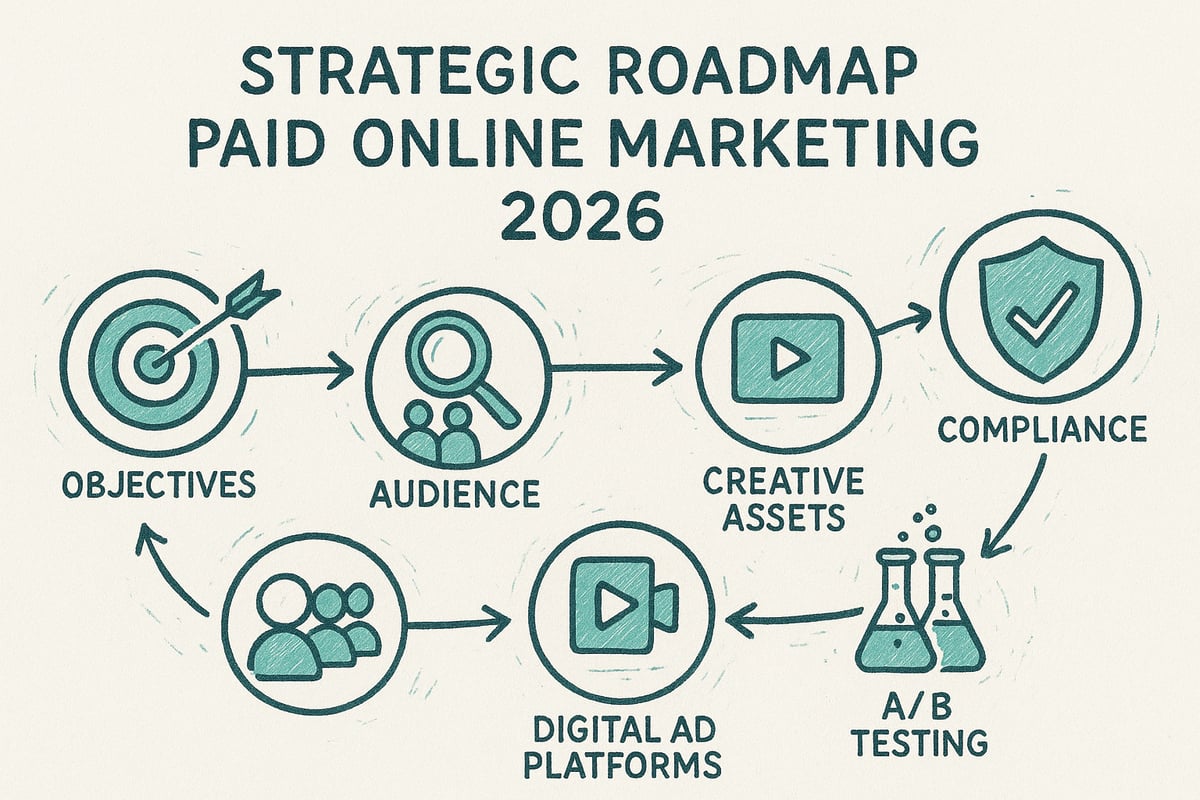
Staying ahead in paid online marketing demands a strategy built for resilience and adaptability. As the digital ecosystem evolves, brands must anchor their campaigns in clear objectives, deep audience insights, agile channel selection, compelling creative, iterative optimisation, and rigorous compliance. The following framework guides you through the essential pillars to future-proof your paid online marketing investments.
Setting Clear Objectives and KPIs
The foundation of every paid online marketing campaign is a well-defined set of objectives and key performance indicators (KPIs). Start by aligning your campaign goals with broader business outcomes: are you aiming for increased sales, lead generation, greater brand awareness, or customer retention?
To measure progress, select KPIs suited to your objectives. Common choices include Return on Ad Spend (ROAS), Cost Per Acquisition (CPA), and Customer Lifetime Value (CLV). Use a simple table to map goals to KPIs:
| Objective | Example KPI |
|---|---|
| Sales | ROAS |
| Leads | CPA |
| Brand Awareness | Reach, Impr. |
| Retention | CLV |
Regularly review metrics to ensure your paid online marketing efforts remain on track.
Audience Research and Persona Development
Successful paid online marketing relies on precise audience targeting. Begin by mining your first-party data sources, such as CRM platforms and website analytics, to uncover patterns in customer behaviour. Use these insights to segment your audience into meaningful personas.
Platforms like Google Analytics 4 and Meta Audience Insights streamline this process. For example, B2B campaigns often focus on firmographic data, while B2C efforts prioritise demographics and interests.
Develop detailed personas, including pain points and motivations, to refine your messaging. Robust audience research ensures your paid online marketing resonates and drives meaningful engagement with your target market.
Channel Selection and Budget Allocation
Choosing the right platforms is vital for maximising the impact of your paid online marketing. Assess established channels such as Google Ads, Meta, and LinkedIn, and consider emerging spaces like TikTok and retail media networks.
Balance your budget between proven performers and experimental formats to uncover new opportunities. Deloitte predicts that by 2026, 30% of Australian ad spend will shift to digital-first channels, underscoring the need for strategic allocation.
For a detailed overview of options and their benefits, review this Digital marketing services overview. Strategic channel selection and dynamic budgeting keep your paid online marketing agile and effective.
Creative Strategy and Messaging
Creative excellence is the engine of paid online marketing success. Tailor your offers and calls to action for each stage of the customer journey, ensuring relevance and resonance.
Incorporate video, interactive, and augmented reality (AR) content to capture attention and boost engagement. Dynamic creative optimisation (DCO) enables personalised messaging at scale, increasing conversion rates.
Regularly refresh your creative assets to avoid ad fatigue and stay ahead of trends. A compelling creative strategy keeps your paid online marketing campaigns fresh, memorable, and persuasive.
Testing, Learning, and Iteration
Continuous improvement is a hallmark of effective paid online marketing. Implement A/B and multivariate tests to compare headlines, images, audience segments, and placements.
Adopt agile marketing workflows to act quickly on insights and adjust campaigns in real time. Document your learnings to build a knowledge base for future campaigns.
Structured experimentation not only uncovers what works but also highlights areas for optimisation. By prioritising testing and iteration, you ensure your paid online marketing remains data-driven and performance-focused.
Compliance and Brand Safety
Adhering to privacy, accessibility, and ethical standards is essential for sustainable paid online marketing. Stay updated on regulations such as the Australian Privacy Principles (APPs) and ensure your campaigns are accessible to all users.
Leverage tools like DoubleVerify and Integral Ad Science to monitor brand safety and prevent your ads from appearing alongside inappropriate content. Transparent data practices and clear consent management foster trust with your audience.
A proactive approach to compliance solidifies your brand’s reputation and protects your investment in paid online marketing.
Step-by-Step Guide to Launching High-Impact Paid Campaigns in 2026
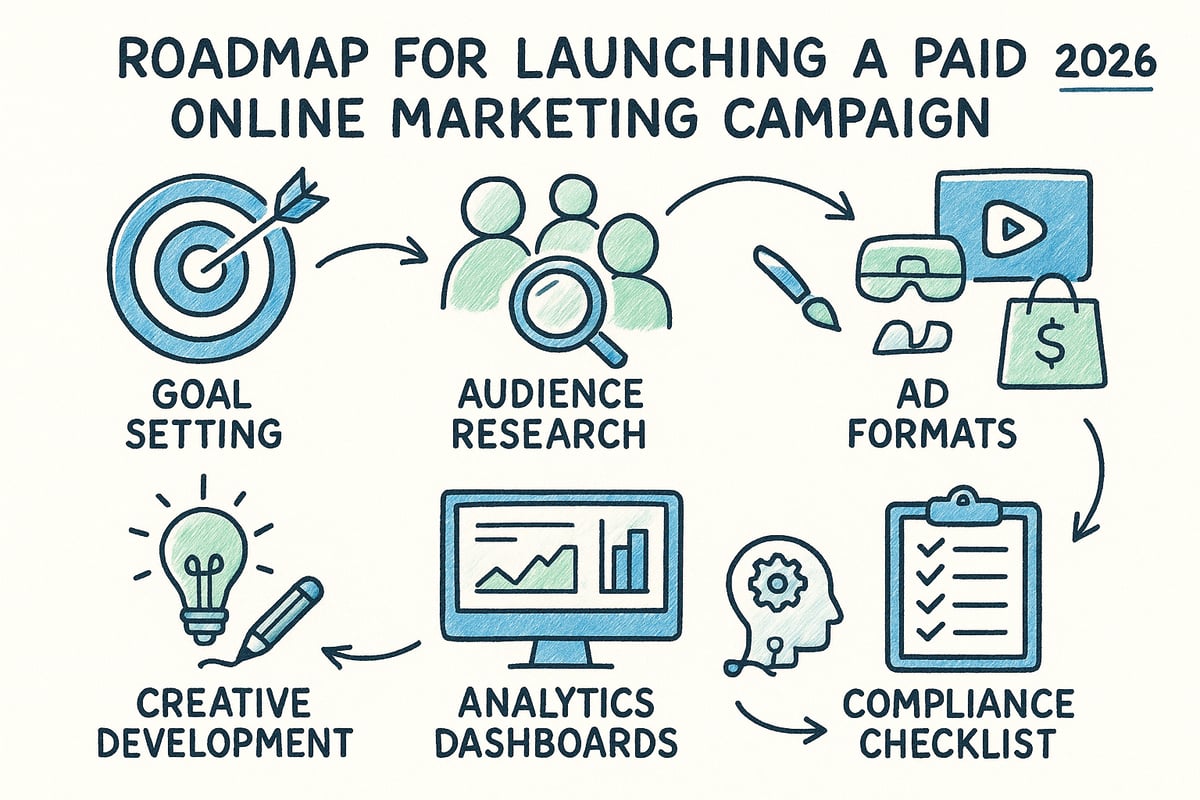
Launching a successful paid online marketing campaign in 2026 requires a structured, data-driven approach. By following each step in this guide, you can ensure your campaigns are optimised for results, compliant, and future-ready.
Step 1: Define Campaign Goals and Target Audience
Start by clarifying your business objectives. Are you aiming for sales growth, lead generation, brand awareness, or customer retention? Setting SMART (Specific, Measurable, Achievable, Relevant, Time-bound) goals is essential for effective paid online marketing.
Next, map out your target audience. Use first-party data and behavioural insights to create detailed personas. For example, segment audiences by age, location, purchase intent, or industry. This ensures your campaigns are relevant and impactful.
A clear understanding of both objectives and audience sets the foundation for every paid online marketing initiative.
Step 2: Choose the Right Platforms and Ad Formats
Selecting the right platforms is critical in paid online marketing. Compare search, social, programmatic, and emerging media based on your audience’s behaviour and campaign goals.
Popular platforms include Google Ads, Meta, TikTok, LinkedIn, and retail media networks. Evaluate which channels align with your audience and objectives. Consider ad formats such as:
- Video ads for storytelling
- Carousel and shoppable ads for ecommerce
- AR and interactive ads for engagement
- Influencer collaborations for reach
Each format offers unique advantages, so tailor your paid online marketing mix to maximise impact.
Step 3: Develop Creative Assets and Messaging
Your creative strategy should reflect both your audience’s preferences and the strengths of each platform. Align visuals, copy, and calls-to-action with user intent at every funnel stage.
Embrace personalisation through Dynamic Creative Optimisation (DCO), ensuring each user sees content tailored to their needs. Experiment with video, AR, and interactive elements, such as TikTok’s Branded Effects, to boost engagement.
Consistent, compelling messaging is a cornerstone of high-performing paid online marketing campaigns.
Step 4: Set Up Tracking, Analytics, and Attribution
Implement robust tracking to measure every aspect of your paid online marketing efforts. Set up Google Analytics 4, conversion APIs, and ensure accurate cross-device attribution.
Install the Facebook Pixel to capture valuable event data and optimise your campaigns. For a step-by-step setup, see this Facebook Pixel installation guide.
Proper analytics enable you to understand user journeys, attribute conversions, and refine your paid online marketing strategy for continuous improvement.
Step 5: Launch, Monitor, and Optimise in Real Time
When your campaign goes live, monitor performance closely. Rely on AI-driven tools for bid management, budget pacing, and creative adjustments.
Track key metrics such as:
- Click-through rate (CTR)
- Conversion rate (CVR)
- Return on ad spend (ROAS)
- Incrementality
Use real-time insights to make swift changes, ensuring your paid online marketing remains agile and competitive throughout the campaign lifecycle.
Step 6: Test, Iterate, and Scale
Continuous testing is vital for maximising results in paid online marketing. Run structured A/B and multivariate experiments on ad copy, creative, audiences, and placements.
Document findings in a simple table for easy comparison:
| Test Variable | Winner | Uplift (%) |
|---|---|---|
| CTA Text | "Shop Now" | +12 |
| Video Length | 15 seconds | +8 |
| Audience Segment | Retargeting | +15 |
Scale successful campaigns by reallocating budget and expanding to new audiences. This iterative process drives sustainable growth in paid online marketing.
Step 7: Ensure Compliance and Brand Safety
Adhere to privacy laws and platform policies to protect your brand and audience. Regularly review campaign assets for compliance with Australian regulations and ethical standards.
Leverage brand safety tools to monitor placements and prevent ad fraud. Address invalid traffic promptly and maintain a strong reputation.
Prioritising compliance and safety ensures your paid online marketing campaigns build trust and deliver long-term value.
Leveraging Data, Analytics, and AI for Maximum ROI
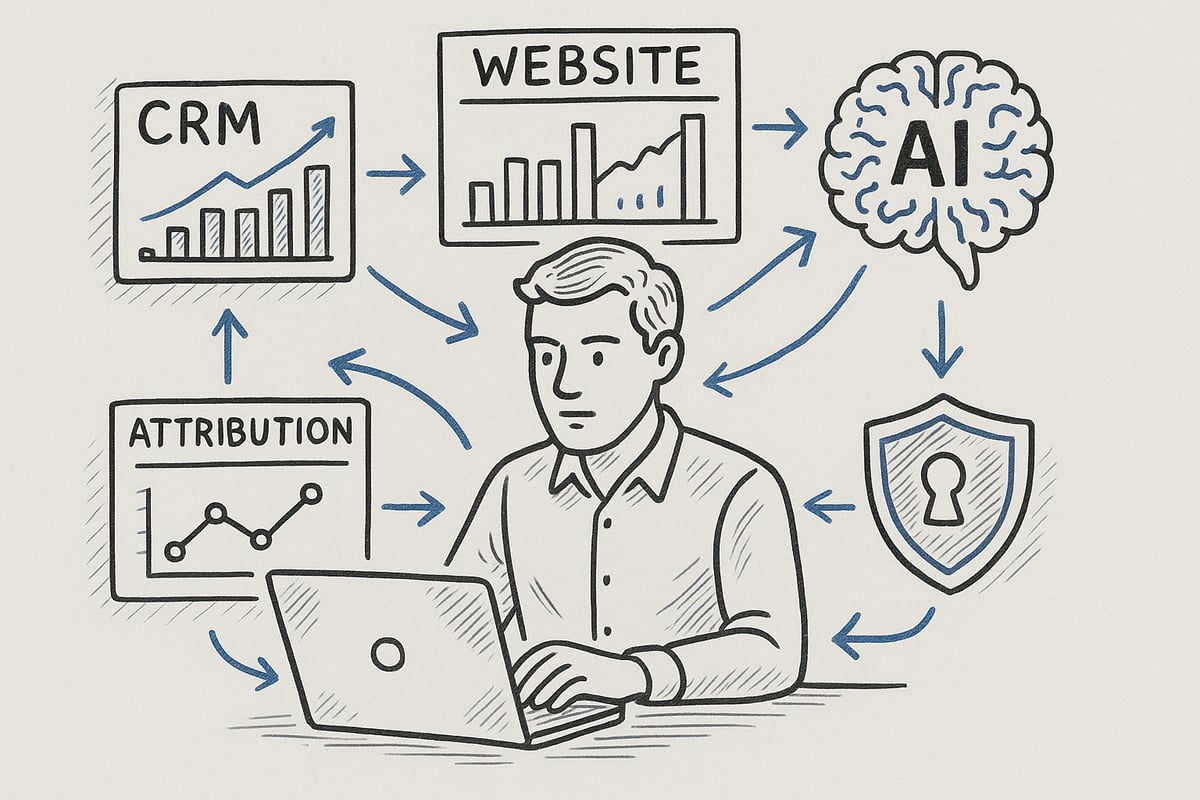
In 2026, businesses must harness the full potential of data, analytics, and artificial intelligence to maximise the impact of their paid online marketing efforts. With digital competition intensifying, brands that unify data collection, predictive modelling, and measurement can unlock new levels of efficiency and ROI.
Harnessing First-Party Data and Customer Insights
First-party data is now the backbone of paid online marketing. As third-party cookies fade, brands rely on information gathered directly from their audiences. This includes CRM records, website analytics, app usage, and even offline interactions.
Building robust data pipelines ensures you capture the full customer journey. Enrich your data with behavioural triggers and demographic details for more precise targeting. Segmentation is key, as it allows you to tailor messaging and offers to specific audience groups, driving stronger engagement and campaign efficiency.
Predictive Analytics and AI-Driven Optimisation
Artificial intelligence is revolutionising paid online marketing by enabling smarter, faster decision-making. Predictive analytics uses historical data to forecast outcomes, helping marketers allocate budgets and resources more effectively.
AI-powered tools automate bid adjustments, optimise creative assets, and refine audience segmentation in real time. For ecommerce brands, partnering with an Ecommerce advertising agency insights provider can unlock advanced strategies and maximise ROI. Leveraging AI not only streamlines campaign management but also uncovers new growth opportunities through continuous data analysis.
Multi-Touch Attribution and Incrementality Measurement
Understanding the true impact of your paid online marketing requires moving beyond last-click attribution. Multi-touch attribution models evaluate every customer interaction, providing a holistic view of which channels and touchpoints drive conversions.
Incrementality measurement isolates the genuine effect of your campaigns by comparing exposed and control groups. Tools like Google Data-Driven Attribution and independent analytics platforms offer granular insights, allowing you to optimise spend and prioritise high-performing tactics.
| Attribution Model | Strengths | Weaknesses |
|---|---|---|
| Last-Click | Simple, easy to implement | Ignores upper funnel |
| Multi-Touch (Linear) | Values all touchpoints | Can dilute impact |
| Data-Driven/Algorithmic | Reflects true influence | Requires robust data |
Real-Time Reporting and Dashboards
Agility is crucial in paid online marketing. Real-time dashboards empower you to monitor campaign performance, identify trends, and react instantly to market changes. Customisable reports deliver actionable insights to every stakeholder, from marketing leads to finance teams.
Automating reporting processes saves time and reduces errors. With live data at your fingertips, you can make informed decisions quickly, reallocating budget or testing new creative when needed to drive stronger results.
Data Privacy and Security Best Practices
Trust is non-negotiable in paid online marketing. Adhering to Australian Privacy Principles and global standards such as GDPR is essential. Secure your data pipelines, encrypt customer information, and ensure clear user consent for all data collection.
Best practices include regular audits, transparent privacy policies, and staff training on data handling. Using privacy-first tech solutions helps protect both your brand and your customers, sustaining long-term loyalty and compliance.
Creative Trends and Messaging Strategies for 2026
Staying ahead in paid online marketing requires brands to embrace the latest creative trends and messaging strategies. As digital audiences evolve, so do their expectations for engaging, personalised, and meaningful content. The following trends will define standout campaigns in 2026.
The Power of Short-Form and Interactive Content
Short-form content continues to dominate paid online marketing, especially with the explosive growth of TikTok, Instagram Reels, and YouTube Shorts. Brands are shifting budgets toward snappy videos that capture attention in just a few seconds.
Interactive elements such as polls, quizzes, and AR filters are also gaining traction. These formats invite users to engage directly, making ads more memorable and boosting campaign performance. Statista reports that 80% of Gen Z prefers short-form branded content, underscoring the importance of adapting creative approaches.
Personalisation at Scale
Personalisation is now an expectation in paid online marketing. Dynamic creative optimisation (DCO) enables brands to deliver tailored messages to each user based on behaviour, preferences, and context.
Programmatic ad platforms are leading the way, using automation and AI to serve unique creative variations at scale. For example, a retailer can display different product recommendations to users based on past interactions. This approach increases relevance and drives higher engagement, making personalisation a core strategy for 2026.
Authenticity, Inclusivity, and Social Responsibility
Audiences are looking for authenticity in paid online marketing. Brands that showcase diverse voices and reflect real-world values build stronger connections with their target market.
Purpose-driven campaigns focusing on social responsibility, sustainability, and inclusivity are on the rise. Marketers are prioritising genuine storytelling and transparent messaging to foster trust and loyalty. Incorporating these values is no longer optional; it is essential for long-term brand health.
Video-First and Immersive Experiences
Video continues to be a powerhouse in paid online marketing, with new formats such as 3D, VR, and shoppable videos creating deeper engagement. Retailers are leveraging AR try-on ads, letting customers virtually interact with products before purchase.
Connected TV (CTV) advertising is also surging, offering brands access to premium inventory and highly engaged viewers. According to eMarketer’s CTV Ad Spend Forecast, global CTV ad spend is set to more than double by 2026, highlighting the channel’s growing significance. Brands that prioritise video and immersive content will stand out in a crowded digital landscape.
Storytelling and Brand Narrative
Storytelling remains a powerful tool in paid online marketing. Sequential ads guide users through a brand journey, building emotional connections over time.
User-generated content (UGC) is playing a larger role, adding authenticity and relatability to campaigns. Brands that weave compelling narratives and encourage audience participation will see greater impact and loyalty in 2026.
Measuring Success and Scaling Paid Campaigns
Accurately measuring success is the backbone of every high-performing paid online marketing initiative. Without a robust framework, optimising campaigns and justifying ad spend becomes guesswork. To drive sustainable growth, marketers must combine data-driven measurement with agile scaling strategies and a commitment to ongoing learning.
Setting Up a Robust Measurement Framework
Building a solid measurement framework for paid online marketing starts with aligning KPIs to your business and campaign objectives. Whether your focus is brand awareness, lead generation, or direct sales, each goal demands specific metrics.
| Objective | Primary KPI | Supporting Metrics |
|---|---|---|
| Awareness | Impressions, Reach | Brand Lift, CPM |
| Lead Generation | Cost per Lead (CPL) | Conversion Rate |
| Sales | ROAS, CPA | CLV, Cart Abandonment |
Brand lift studies provide valuable insight for awareness, while direct response campaigns demand concrete performance data. Selecting the right KPIs ensures every paid online marketing effort delivers actionable results.
Incrementality Testing and Lift Analysis
To isolate the true impact of paid online marketing, incrementality testing is essential. This approach separates campaign-driven conversions from organic or baseline activity.
Using methods like geo experiments and holdout tests, marketers can accurately determine which results stem from their ads. Lift analysis quantifies how much your paid online marketing efforts move the needle beyond what would have happened without them. These insights empower you to invest with confidence and refine future strategies.
Scaling Winning Campaigns
Once you’ve identified top-performing paid online marketing campaigns, scaling becomes the next priority. Begin by analysing which channels, audience segments, and creatives deliver the strongest results.
Reallocate budgets toward high-ROI campaigns, and consider expanding to new platforms or formats. Test increased investment in proven segments before broadening your reach. This methodical scaling approach ensures ongoing improvement in paid online marketing performance without sacrificing efficiency.
Continuous Optimisation and Learning Loops
Sustained growth in paid online marketing depends on continuous optimisation. Implement feedback cycles that analyse data, test new hypotheses, and refine tactics regularly.
A/B testing, creative iteration, and real-time analytics are essential tools. Marketers who embrace agile workflows can rapidly adapt to market changes and consumer behaviours. Embedding learning loops into your paid online marketing process turns insights into action, driving better results over time.
Staying Ahead of Digital Marketing Trends
To maintain a competitive edge in paid online marketing, staying informed is crucial. Regularly review industry reports, attend webinars, and benchmark against competitors.
With channels like connected TV set for dramatic growth, as highlighted in IAB’s 2026 Ad Spend Outlook, future-ready marketers will reallocate budgets and strategies accordingly. Ongoing education ensures your paid online marketing remains both innovative and resilient in a rapidly evolving landscape.
As you look ahead to the fast-evolving world of paid online marketing, it’s clear that having the right strategy in place is essential for 2026 success. We’ve explored practical tactics, the latest channels, and how AI and data-driven insights can put your business ahead of the curve. If you’re ready to turn these insights into real results, why not let experts guide you? At My Heart Studio, we help Australian businesses like yours build future-proof digital campaigns that drive growth. Take the next step and Book a Free Strategy Call to discuss your goals and unlock your potential.