
In 2026, understanding your customer is more vital than ever as expectations shift at a record pace. Businesses that excel in this area consistently earn a distinct competitive edge in a digital-first landscape.
This guide unlocks the strategies, data, and insights essential for mastering customer understanding. You will discover why it is foundational, explore emerging trends, learn proven data-driven methods, and see how segmentation and personalisation fuel growth.
Ready to boost loyalty, sales, and long-term success? Apply the practical strategies in this guide and set your business apart in 2026.
The Importance of Understanding Your Customer in 2026
Understanding your customer has never been more vital for business success in 2026. As competition intensifies and markets become increasingly digital, businesses that prioritise customer insight are setting themselves apart. A customer-centric approach is no longer optional, it is the foundation for growth, innovation, and lasting loyalty.
The Foundation of Business Success
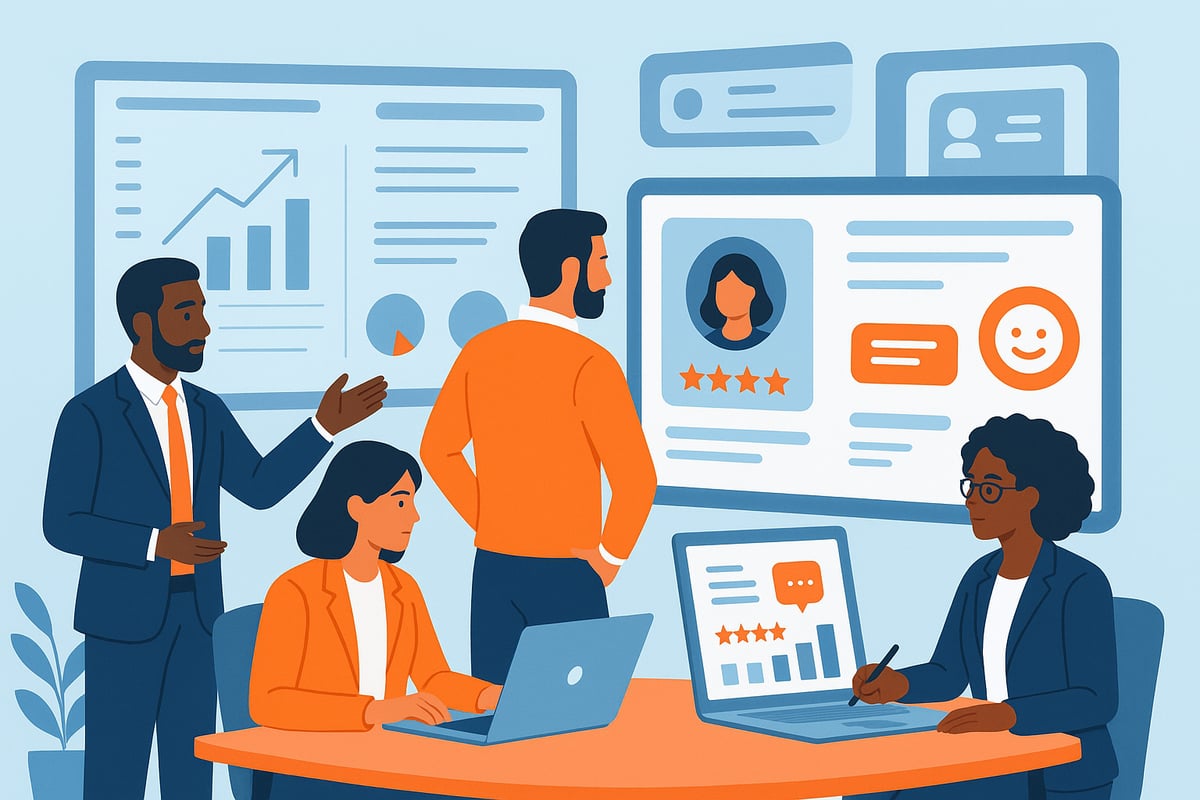
At the core of every thriving business in 2026 is a deep commitment to understanding your customer. Companies that lead with customer-centric strategies consistently outperform their competitors, as supported by industry research and benchmarks. OpenLearn highlights how customer satisfaction directly leads to repeat business and long-term profitability.
Real-world examples reinforce this point. Brands like River Island and Cotton On have invested heavily in customer experience, leveraging feedback to refine their offerings and create memorable journeys. These businesses have demonstrated that understanding your customer is more than a buzzword: it is a catalyst for innovation and product development. When you know what your audience values, you can anticipate needs and stay ahead of trends.
The numbers speak for themselves. Companies focused on customer experience report up to 8x higher revenue growth compared to those that do not prioritise it. According to Customer Experience Statistics 2025, businesses that excel at personalisation and seamless digital interactions see significant increases in loyalty and spend. This link between customer insight and sustainable growth is undeniable.
In a crowded marketplace, understanding your customer enables true differentiation. It empowers brands to create tailored solutions, communicate authentically, and foster deeper emotional connections. These advantages translate into higher retention rates and stronger advocacy, building the foundation for long-term success.
Evolving Customer Expectations for 2026
The landscape of customer expectations is rapidly shifting as we approach 2026. Today’s buyers are more digital-savvy, informed, and empowered than ever before. They demand not only products or services but also meaningful, personalised experiences at every touchpoint.
Personalisation and real-time engagement have become baseline requirements. Customers expect businesses to anticipate their preferences and deliver relevant content or offers instantly, whether online, in-store, or across multiple devices. Omnichannel experiences are now the standard, with seamless transitions between digital and physical environments.
Social values and ethical considerations also play a growing role in purchasing decisions. Modern consumers want to align with brands that reflect their beliefs, prioritising transparency and responsible practices.
A striking example is Sweaty Betty’s digital transformation. By investing in technology and listening closely to their audience, they adapted quickly to evolving needs and set a benchmark for customer engagement. This proactive approach to understanding your customer has proven essential for staying relevant and competitive.
In summary, businesses that embrace these changes and prioritise understanding your customer will be best positioned to thrive in 2026 and beyond.
Key Trends and Challenges in Customer Understanding
Understanding your customer has never been more vital or complex. As we approach 2026, emerging trends and persistent challenges are reshaping how companies connect with their audiences. Staying ahead requires an adaptive mindset and a willingness to embrace new tools and perspectives.
Emerging Trends in Customer Behaviour
The landscape of understanding your customer is rapidly evolving. Post-pandemic, customers are conducting more research online before making decisions, blending digital and physical touchpoints for hybrid shopping experiences. This shift means brands must meet customers wherever they are, offering seamless, consistent interactions.
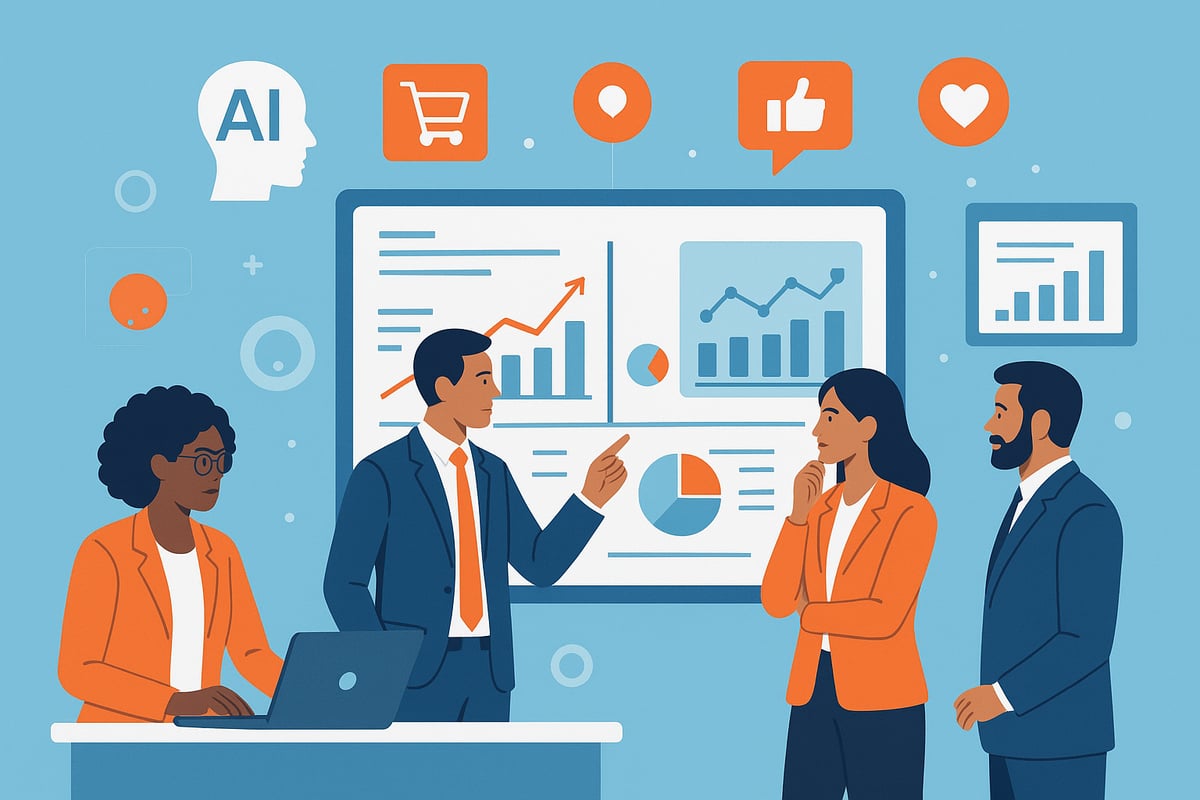
AI and automation now play a key role in shaping customer journeys. Predictive algorithms and chatbots provide instant support, while machine learning uncovers patterns in behaviour that were previously hidden. At the same time, concepts from behavioural economics, such as subtle nudges, are being used to influence decision-making. Neuromarketing is also gaining traction, using neuroscience to decode what truly motivates buyers.
Cultural context and diversity are more important than ever. Customers expect brands to recognise and respect their values, which can vary widely across different segments. Businesses are leveraging customer data platforms for unified insights, enabling them to better understand and serve diverse audiences.
To adapt, companies are investing in customer journey mapping and experience optimisation. For example, Optimising the Customer Journey is crucial for businesses seeking to align their strategies with changing expectations and deliver a seamless experience across all channels. These trends highlight why understanding your customer must be an ongoing priority.
Major Challenges Businesses Face
Despite technological advances, significant challenges remain in understanding your customer. Data privacy and consent management have become central concerns, with stricter regulations and higher customer expectations for transparency. Navigating these requirements while still gathering meaningful insights is a delicate balancing act.
One of the biggest obstacles is fragmented customer data. Information is often scattered across various touchpoints, making it difficult to create a single, cohesive view of the customer. This fragmentation can lead to missed opportunities and inconsistent experiences.
Another challenge is balancing automation with authentic human connection. While AI can streamline processes, customers still value genuine engagement. Striking the right balance ensures that automation enhances, rather than replaces, meaningful interactions.
Businesses must also keep pace with rapid changes in technology and customer preferences. The rise of omnichannel experiences means companies need to deliver consistent service both online and offline. Managing customer experience across these channels is increasingly complex.
Different sectors face unique hurdles. For instance, B2B organisations often deal with longer sales cycles and multiple decision-makers, while B2C firms focus on personalisation at scale. Regardless of the model, understanding your customer remains the foundation for overcoming these challenges and achieving long-term success.
Data-Driven Methods for Gaining Customer Insights
In 2026, understanding your customer relies on robust, data-driven approaches. Modern businesses know that intuition alone is not enough. To lead in a dynamic market, you need to collect, analyse, and act on the right information at every stage of the customer journey.
Collecting and Analysing Customer Data
The foundation of understanding your customer begins with collecting the right types of data. Businesses should gather behavioural, transactional, demographic, and psychographic information. Each type reveals a different facet of your audience, from purchase history to values and motivations.
To capture these insights, a mix of platforms is essential. Customer Relationship Management (CRM) systems, analytics suites, and feedback tools help centralise and make sense of complex data. For example, integrating a CRM allows you to track every touchpoint and interaction. If you're exploring which platform to use, Leveraging CRM for Insights offers practical advice on harnessing CRMs for better customer understanding.
It is crucial to combine data from various sources for a unified view. This might include website analytics, purchase records, and survey responses. Ethical data collection and privacy compliance should always be front of mind. With cookies becoming less reliable, first-party data is now the gold standard for building lasting customer relationships.
Turning Data into Actionable Insights
Collecting data is just the start. The real value comes from transforming raw information into actionable insights that drive business decisions. Segmentation is a powerful technique for understanding your customer on a deeper level. By grouping individuals based on behaviour or preferences, you can spot patterns and tailor your approach.
AI and machine learning now play a major role in predictive analytics. These tools can forecast customer needs and identify trends before they become obvious. Real-time analytics platforms empower businesses to engage proactively, adjusting offers and messaging as behaviours change.
Retailers, for instance, use data to personalise offers, boosting conversion rates and satisfaction. Measuring customer satisfaction through Net Promoter Score (NPS) or Customer Satisfaction (CSAT) ensures you stay aligned with customer expectations. Overcoming challenges like data silos and quality issues is essential for maintaining trust and accuracy in your insights.
How Digital Marketing Agencies Drive Customer Insights
Digital marketing agencies are increasingly vital partners for businesses seeking advanced customer insight strategies. Agencies help companies with understanding your customer by offering services such as web design, SEO, digital marketing, and CRM implementation.
They provide expertise in integrating multiple data sources, running targeted campaigns, and optimising every stage of the customer journey. Real-world examples show that agencies like My Heart Studio deliver measurable growth for Australian brands by translating data into clear, actionable steps.
The benefits of this partnership include end-to-end support, ongoing optimisation, and tailored strategies for different industries. By working with an agency, businesses can remain agile, adapt to evolving customer expectations, and ensure their teams are always focused on understanding your customer in a rapidly changing landscape.
Customer Segmentation and Personalisation Strategies
In 2026, understanding your customer is not just a competitive advantage, it is essential for sustainable business growth. With increasingly sophisticated buyers and crowded markets, generic messaging no longer resonates. To build lasting relationships and drive meaningful results, businesses must embrace both segmentation and personalisation.
The Power of Segmentation
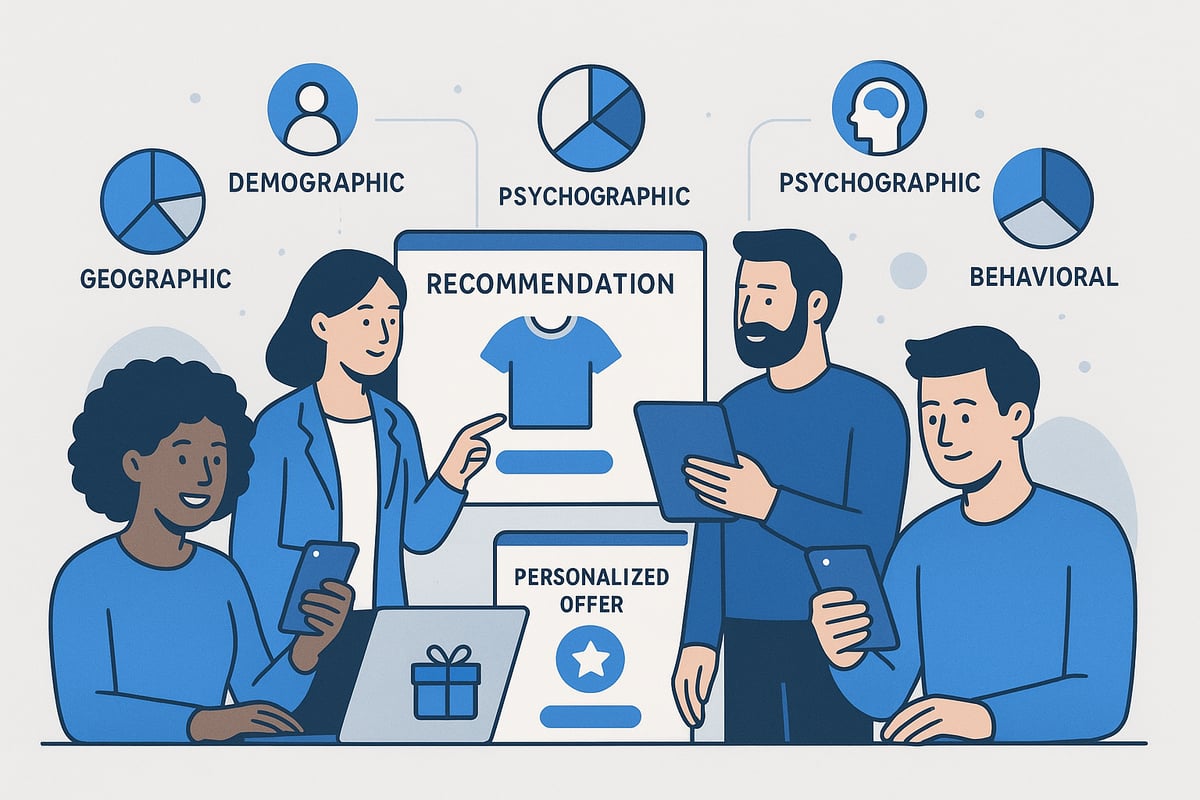
Segmentation is the practice of dividing a broad customer base into distinct groups based on shared characteristics. This approach moves businesses beyond the outdated “one-size-fits-all” model and ensures every message reaches the right audience. The foundation of understanding your customer lies in recognising that not all buyers have the same needs, preferences, or behaviours.
There are several key types of segmentation:
| Segmentation Type | Description | Example Use |
|---|---|---|
| Demographic | Age, gender, income, education | Targeted promotions for different age groups |
| Geographic | Location, region, climate | Localised offers for specific cities |
| Psychographic | Values, interests, lifestyle | Curated content for eco-conscious consumers |
| Behavioural | Purchase history, brand loyalty | Rewards for frequent shoppers |
Data-driven segmentation enables businesses to identify high-value segments and tailor strategies for each group. For instance, leading retailers use customer data to recommend products that resonate with specific segments, increasing relevance and conversion rates. Building detailed customer personas further supports marketing and product decisions, ensuring each initiative is rooted in an authentic understanding of your customer.
For a deeper dive into advanced segmentation methods, explore Customer Segmentation Techniques 2025, which outlines practical approaches for modern marketers.
Personalisation for Deeper Engagement
Once segments are defined, personalisation becomes the next step in building genuine connections. Personalisation leverages insights from segmentation to deliver messages, offers, and experiences tailored to each individual. This practice is central to understanding your customer, as it acknowledges the unique journey of every buyer.
Personalisation offers measurable benefits:
- Increased customer loyalty and satisfaction
- Higher conversion rates and average order values
- Enhanced engagement across channels
Techniques for personalisation include dynamic website content, personalised email offers, and triggered communications based on real-time behaviour. Modern AI tools empower businesses to deliver these experiences at scale, such as composable storefronts and shopper apps that adapt to individual preferences instantly. Industry data shows that personalisation can lift revenue by 10-15 percent, highlighting its direct impact on business outcomes.
However, it is critical to strike a balance. Overly intrusive personalisation may feel unsettling to customers. Respecting boundaries and maintaining transparency are key to fostering trust while deepening your understanding your customer.
Measuring the Impact of Segmentation and Personalisation
To ensure segmentation and personalisation strategies are effective, businesses must measure results with precision. Metrics such as engagement rates, repeat purchase rates, and customer lifetime value provide clear indicators of success. These metrics reflect the depth of understanding your customer and the relevance of your offerings.
A/B testing and controlled experiments are vital tools for refining tactics. By comparing different approaches, businesses can identify what resonates most with each segment and optimise campaigns accordingly. Real-world examples show that brands leveraging targeted strategies often see significant uplift in key performance indicators, from increased retention to higher revenue per customer.
Continuous measurement and adaptation are essential. As customer preferences evolve, so too must your approach to understanding your customer. This ongoing commitment ensures your business remains agile, responsive, and ahead of the competition.
Leveraging Customer Feedback and Experience Management
Gathering and acting on customer feedback is vital for understanding your customer in today’s fast-paced business landscape. As expectations evolve, businesses must proactively listen and respond to customer voices to remain relevant and competitive. Effective experience management empowers organisations to anticipate needs, refine offerings, and create loyal advocates.
The Role of Customer Feedback
Ongoing feedback is the foundation of understanding your customer. It reveals not only what clients think but also why they behave as they do. Businesses that regularly collect and act on feedback are better positioned to meet evolving needs and foster trust.
There are several methods to gather insights:
- Online surveys for structured responses.
- Social media listening to capture real-time sentiment.
- Review platforms highlighting strengths and weaknesses.
- Direct interviews for in-depth understanding.
Integrating these methods ensures a 360-degree view of the customer journey. Tools such as NPS (Net Promoter Score) and CSAT (Customer Satisfaction Score) are essential for tracking satisfaction and loyalty over time. By systematically capturing feedback, businesses gain actionable data to shape their strategy and elevate the overall experience.
To optimise this process, organisations are increasingly adopting Data-Driven Digital Tools that streamline feedback collection and analysis, making it easier to identify trends and opportunities.
Customer Experience (CX) Management in 2026
Customer experience management in 2026 requires a holistic approach that puts understanding your customer at the centre of every decision. The shift from transactional to end-to-end experience is now the standard. Customers expect seamless interactions across web, mobile, in-store, and support channels.
Technology plays a pivotal role in delivering on these expectations:
- CX platforms unify interactions for consistency.
- Chatbots provide instant, 24/7 support.
- Automation tools enable proactive communication.
The most forward-thinking businesses use closed feedback loops to drive innovation and retention. For example, retailers are leveraging real-time feedback to adjust product offerings, while service providers refine processes based on direct customer input.
A strong CX strategy is measurable. Consider these key metrics:
| Metric | Purpose | Result Example |
|---|---|---|
| NPS | Loyalty and advocacy | +20% improvement |
| CSAT | Satisfaction benchmark | 4.5/5 rating |
| Churn Rate | Retention effectiveness | -15% year on year |
By focusing on these indicators, organisations can validate the impact of their CX initiatives and sustain long-term growth.
Turning Insights into Action
Collecting feedback is only the beginning; acting on insights is where true value emerges. Closed-loop systems ensure every piece of feedback leads to meaningful change, whether it is product tweaks, service enhancements, or refined communication.
Empowering teams with real-time customer insights fosters a culture of continuous improvement. Frontline staff equipped with relevant information can personalise interactions and resolve issues before they escalate. This approach not only increases satisfaction but also builds advocacy and loyalty.
Businesses that embed understanding your customer into their DNA see measurable returns. Reduced churn, increased spend, and positive word-of-mouth all stem from a commitment to listening and adapting. For local businesses, strategies from Grow Your Local Business Online can help translate feedback into tailored offerings and stronger community engagement.
Ultimately, prioritising feedback and experience management ensures your organisation remains agile and customer-centric in 2026.
The Future of Customer Understanding: Preparing for 2026 and Beyond
The next frontier in business success is understanding your customer at a deeper, more dynamic level. As 2026 approaches, forward-thinking organisations are reimagining their approach to customer insights, blending innovation, empathy, and agility. Let’s explore how businesses can future-proof their strategies and thrive in an ever-changing landscape.
Anticipating Future Customer Needs
Staying ahead in 2026 means anticipating what your customers will want before they do. Predictive analytics is increasingly essential for understanding your customer, as it enables businesses to forecast trends, identify emerging behaviours, and prepare for rapid shifts in the market.
Scenario planning is another valuable tool, allowing organisations to model different future outcomes and develop flexible strategies. With social responsibility and sustainability influencing more decisions, customers are aligning with brands that share their values. This shift requires companies to look beyond transactional data, incorporating sentiment analysis and social listening to capture deeper insights.
Advanced analytics methods, such as Adaptive Graph Learning for Customer Analytics, are enabling businesses to map complex relationships and predict customer needs more accurately. By embedding these capabilities, your business can foster trust, loyalty, and long-term success through a proactive approach to understanding your customer.
Integrating Human and Digital Touchpoints
As digital transformation accelerates, the most successful businesses balance automation with authentic human connection. Understanding your customer means delivering seamless experiences across both digital and physical channels. Hybrid journeys, where shoppers move easily between online platforms and in-store touchpoints, are becoming the norm.
AI and personalisation technologies are crucial for adapting in real time to customer preferences. For example, AI-Driven Personalization Strategies are empowering brands to create highly relevant, engaging experiences that drive loyalty. However, personalisation should always feel supportive, not intrusive, maintaining respect for customer boundaries.
Empowering staff to act on digital insights, while providing personal service, ensures every interaction adds value. The key is integrating technology while preserving the human touch that makes your brand memorable, which is at the heart of understanding your customer.
Building Organisational Agility Around Customer Insights
Organisational agility is critical for responding quickly to evolving customer expectations. Cross-functional teams, centred on understanding your customer, break down silos and accelerate decision-making. When marketing, product, and customer service teams collaborate, insights are shared and acted upon more effectively.
Investing in training and upskilling ensures your workforce is data-literate and confident in using new technologies. Agile methodologies, such as iterative testing and rapid feedback loops, allow businesses to pivot strategies in response to real-time customer feedback.
Embedding a culture of curiosity and continuous improvement is vital. When everyone in the organisation is committed to understanding your customer, you create a resilient business capable of navigating uncertainty and seizing new opportunities.
Key Takeaways for 2026 Success
Success in 2026 is built on a foundation of continuous learning and adaptation. Here’s a checklist to ensure your business excels:
| Pillar | Action |
|---|---|
| Data | Invest in advanced analytics |
| Segmentation | Identify and target key segments |
| Personalisation | Use AI for tailored experiences |
| Feedback | Close the loop with real-time insights |
| Agility | Foster cross-functional collaboration |
Remember, understanding your customer is not a one-off project but an ongoing journey. By prioritising data, personalisation, feedback, and agility, you position your business for lasting growth. Make customer-centricity the core of your strategy and you’ll be ready to lead in 2026 and beyond.
As we've explored, truly understanding your customers is the foundation for thriving in 2026—whether it's leveraging data, embracing personalisation, or adapting to rapid changes in expectations. If you're ready to put these insights into action and want expert guidance tailored to your business, let's connect. I invite you to Book a Free Strategy Call so we can discuss your goals and map out a clear path to deeper customer engagement and sustainable growth. Taking the next step could be the key to turning customer insights into your biggest competitive advantage.