
In the rapidly changing world of digital marketing, businesses are constantly faced with a critical decision. Should you focus your resources on ppc and seo, or invest in both to secure a competitive edge in 2026?
This article will unpack the strengths and challenges of ppc and seo, helping you determine which strategy delivers the most value for your business as the digital landscape evolves.
You will discover clear definitions, key benefits, and potential pitfalls, as well as future trends and examples from real companies. Prepare to gain actionable insights and a roadmap for choosing the right path to digital success.
Understanding PPC and SEO: Definitions and Core Principles
In today’s digital landscape, understanding the fundamentals of ppc and seo is crucial for any business aiming to maximise online visibility. Both strategies hold unique strengths, and knowing their core principles will help you determine the best fit for your goals.
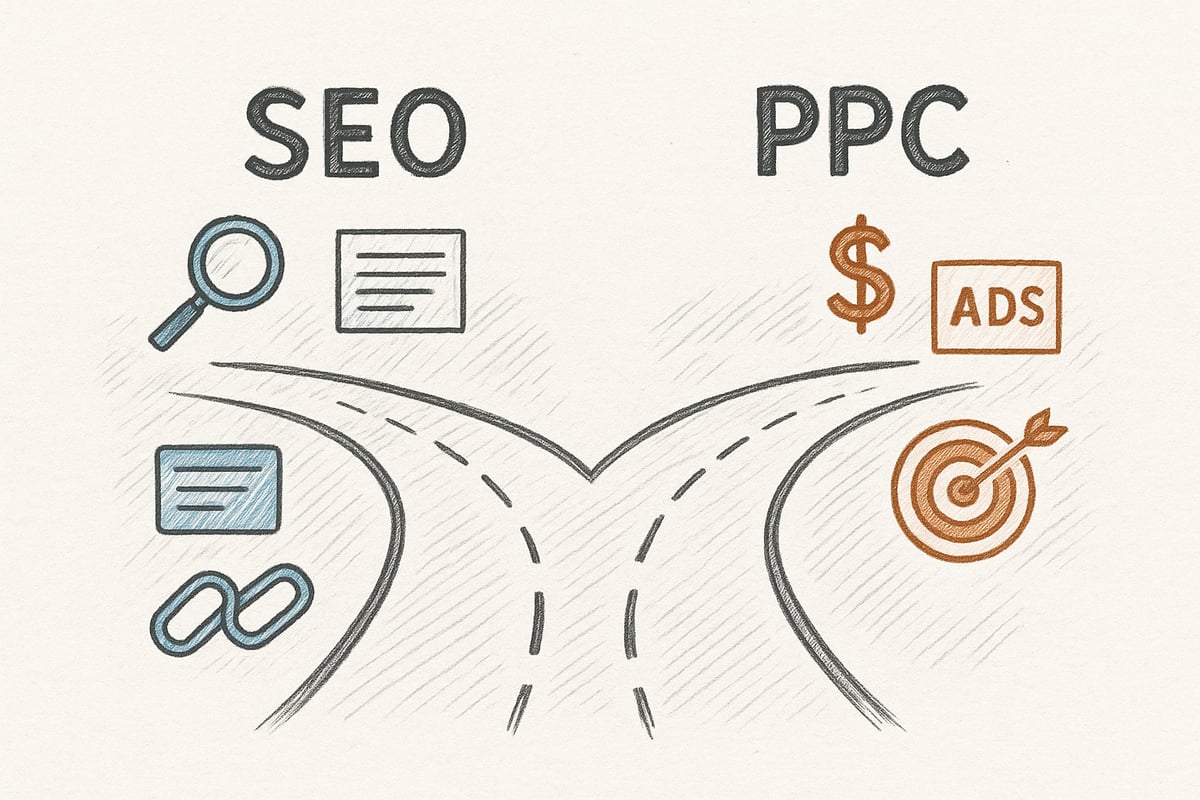
What is SEO?
SEO, or Search Engine Optimisation, is the process of enhancing a website to improve its organic rankings in search engine results. The main components of SEO include:
- On-page optimisation (titles, meta descriptions, headings)
- Technical SEO (site speed, mobile-friendliness, structured data)
- Content creation (blogs, guides, landing pages)
- Link building (earning backlinks from reputable sites)
SEO is a long-term strategy. It focuses on building sustainable traffic that grows over time, rather than delivering instant results. For instance, when a business targets high-intent keywords and ranks on the first page, they receive targeted visitors without paying for each click.
According to industry data, organic search consistently drives a significant share of website traffic. However, SEO is heavily influenced by search engine algorithms and AI updates, meaning rankings can fluctuate. Importantly, a strong SEO presence builds brand authority and trust among users. To dive deeper, explore SEO strategies for business growth.
What is PPC?
PPC, or Pay-Per-Click advertising, is a digital marketing approach where businesses pay each time a user clicks on their ad. This model allows for immediate placement on search engine results pages and across various platforms. The core elements of PPC include:
- Keyword bidding and targeting
- Compelling ad copywriting
- Landing page optimisation
- Budget management and bid strategies
With PPC, results are almost instantaneous. As soon as a campaign is launched, traffic flows to your website. For example, Google Ads enables businesses to target users actively searching for products or services, capturing demand at the decision-making stage.
PPC campaigns guarantee visibility as long as the budget is maintained. Advertisers have full control over their spend, audience targeting, and ad placements. This makes ppc and seo a dynamic pair for businesses needing rapid lead generation and sales acceleration.
Key Differences and Similarities
While ppc and seo both aim to increase online visibility, they operate in distinct ways. Here is a quick comparison:
| Aspect | SEO | PPC |
|---|---|---|
| Cost Structure | Upfront investment | Ongoing spend per click |
| Time to Results | Gradual, long-term | Immediate |
| Placement | Organic listings | Paid ads |
| Control | Algorithm-driven | Advertiser-controlled |
| Traffic Duration | Sustained after investment | Ends when budget stops |
SEO requires patience and ongoing optimisation. PPC offers full control and instant outcomes, but ongoing costs can add up. Despite their differences, ppc and seo can complement each other. By combining both, businesses can maximise their reach, capture immediate demand, and build lasting authority in search results.
The Pros and Cons of SEO in 2026
Staying ahead in digital marketing requires a keen understanding of both ppc and seo. As we look toward 2026, SEO continues to evolve, presenting unique advantages and challenges for businesses aiming to stand out online. Below, we break down the key pros and cons of SEO, and explore how artificial intelligence is reshaping the landscape.
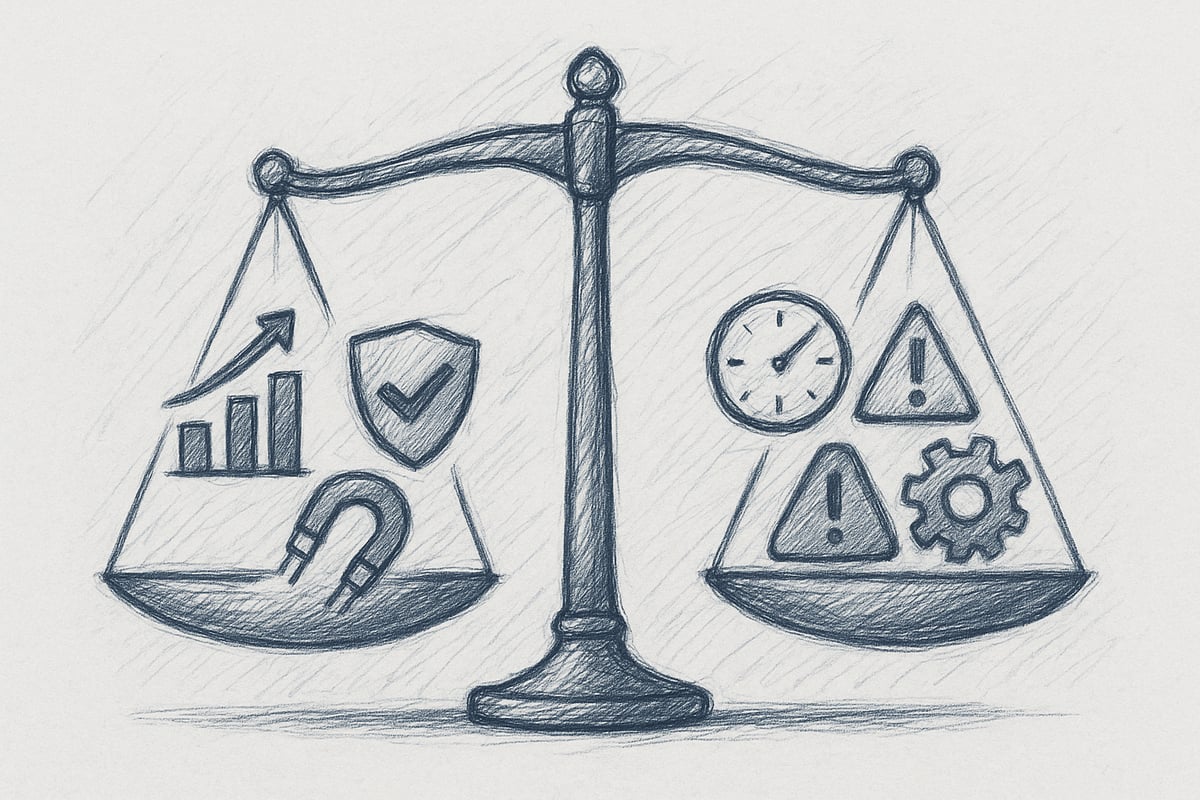
Advantages of SEO
SEO offers a suite of benefits for businesses investing in long-term digital growth. By focusing on organic visibility, companies can attract consistent, high-quality traffic without the ongoing expense of paid ads. One of the core strengths of SEO in the ppc and seo debate is its sustainability. Even after the initial investment, traffic can continue to flow, unlike paid channels that require constant funding.
- Higher Click-Through Rates: Users trust organic results, often clicking them more than ads. According to SEO vs. PPC Conversion Rates by Industry, organic listings deliver more clicks for many queries.
- Brand Credibility and Trust: Ranking high in search results signals authority and reliability, helping to build trust with audiences.
- Cost-Effectiveness: While upfront investment is needed, there is no direct cost per click, making SEO more economical over time.
- Resilience to Ad Blockers: SEO-driven content bypasses ad blockers and is less impacted by consumer ad fatigue.
- Ongoing Leads: Businesses ranking for informational queries often receive a steady stream of leads and engagement.
The compounding nature of SEO means that results can grow over time, providing a strong foundation in the ppc and seo strategy mix.
| SEO Advantages | Description |
|---|---|
| Sustainable Traffic | Continues after initial investment |
| High CTR | Trust and credibility boost clicks |
| Cost-Effective | No ongoing cost per click |
| Ad Blocker Resilience | Not affected by ad-blocking software |
| Brand Authority | Builds long-term trust |
Challenges and Limitations of SEO
Despite its strengths, SEO comes with notable challenges in 2026. The ppc and seo decision is complex because organic optimisation is not a quick win. It can take months to see meaningful improvements, especially in competitive industries.
- Slow Ramp-Up: SEO strategies often require patience, as results can be gradual.
- Algorithm Volatility: Google and other search engines frequently update their algorithms, creating uncertainty. A single update can impact rankings overnight.
- High Competition: Popular keywords are fiercely contested, making it difficult for new players to break through.
- Ongoing Maintenance: Regular updates to content, technical enhancements, and link building are essential to maintain rankings.
- Limited Control: Unlike PPC, where you control spend and placement, SEO is subject to external algorithm changes.
A real-world example is the impact of Google updates in 2025, which shifted ranking factors and caused fluctuations in organic traffic. Businesses relying solely on SEO need to monitor these shifts and adjust their ppc and seo strategy to stay competitive.
SEO in the AI Era
Artificial intelligence is transforming how users discover content, and this has major implications for ppc and seo. AI-driven search engines like Google SGE and Bing Copilot are changing the visibility landscape, requiring new optimisation tactics.
- AI-Driven Search Impact: Search platforms are now generating answers directly, reducing traditional organic listings' visibility.
- Evolving Strategies: Optimising for featured snippets, AI-generated summaries, and voice search is increasingly important.
- E-E-A-T Focus: Experience, Expertise, Authoritativeness, and Trustworthiness remain critical ranking factors.
- AI-Optimised Content: Sites adapting their content for AI-generated answers are seeing increased exposure.
The rise of AI means businesses must refine their ppc and seo approach, ensuring content is accessible for both traditional and AI-powered search. Those who adapt quickly will benefit from higher visibility and greater brand authority in 2026.
The Pros and Cons of PPC in 2026
Pay-Per-Click advertising continues to evolve rapidly, making it a cornerstone of digital marketing strategies. In the ongoing debate between ppc and seo, understanding the strengths and weaknesses of PPC in 2026 is crucial for making informed decisions. Let us explore the key benefits, challenges, and innovations shaping PPC this year.
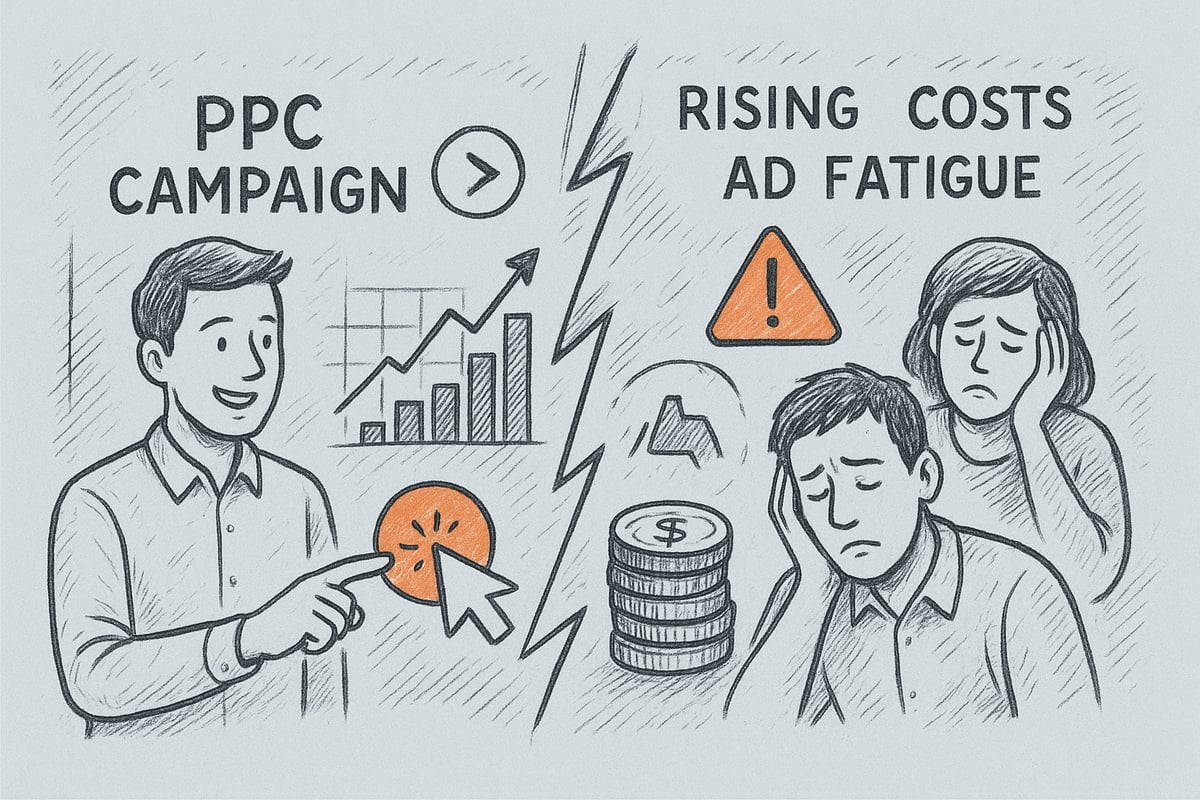
Advantages of PPC
PPC offers immediate visibility, allowing businesses to appear at the top of search results as soon as campaigns go live. This is a major difference when comparing ppc and seo, as SEO typically takes months to see similar results.
Advertisers gain precise targeting capabilities, reaching audiences based on demographics, location, device, and purchase intent. This ensures marketing budgets are spent efficiently, focusing on users most likely to convert.
Control is another significant benefit. With PPC, marketers can adjust budgets, creative assets, and placements in real time. This flexibility allows for rapid testing and optimisation of ad copy and landing pages. For example, retailers launching new products or running seasonal promotions often rely on PPC for instant traction.
PPC also delivers measurable ROI. Platforms provide detailed analytics, enabling brands to track cost per click, conversion rates, and return on ad spend. This level of transparency is not always possible with SEO.
Consider the following table summarising PPC’s core strengths and how they compare to SEO:
| Advantage | PPC Benefit | SEO Comparison |
|---|---|---|
| Speed | Instant traffic | Gradual growth |
| Targeting | Highly specific | Broader, less precise |
| Control | Full advertiser control | Algorithm-dependent |
| ROI Measurement | Direct and detailed | Multi-touch, less direct |
In the ppc and seo landscape, these advantages make PPC a powerful tool for lead generation and rapid sales acceleration.
Challenges and Limitations of PPC
Despite its strengths, PPC comes with notable challenges. Perhaps the most significant is ongoing cost. Unlike SEO, which can deliver organic traffic long after content is published, PPC traffic stops as soon as the budget runs out. This creates a dependency on continual ad spend.
Competition is also intensifying. As more businesses invest in PPC, click costs rise, especially in lucrative industries like legal and finance. This can erode profit margins and make campaigns less sustainable over time. In the context of ppc and seo, this means businesses must constantly optimise to maintain visibility.
Ad fatigue is another concern. Users are exposed to more ads than ever, leading to banner blindness or distrust of paid placements. Brands may need to refresh creatives regularly to maintain engagement.
PPC requires constant monitoring and optimisation. Without vigilant management, campaigns can quickly become inefficient. The short-term focus of PPC may also hinder long-term brand equity, as organic presence is not developed.
For example, a business may experience diminishing returns as cost per click climbs, forcing a reassessment of their digital strategy. Data shows that maintaining the same level of visibility often requires increasing the ad spend year after year.
It is essential for brands to weigh these challenges against the benefits when planning their ppc and seo approach.
PPC Innovations and Automation
The future of PPC in 2026 is shaped by rapid innovation. AI-powered bidding and campaign management tools are now mainstream, allowing marketers to automate bid adjustments, audience targeting, and creative testing. This has made PPC both more efficient and more complex.
Integration with other channels, such as Performance Max, YouTube, and display advertising, is becoming standard practice. Brands can now manage cross-channel campaigns from a single interface, maximising reach and efficiency. Privacy changes, especially the deprecation of third-party cookies, are prompting a shift towards first-party data strategies.
To stay ahead, businesses are turning to advanced analytics and automation platforms. For deeper insights into evolving PPC tactics, the Digital advertising and PPC insights page offers guidance on leveraging new automation tools effectively.
In summary, while PPC brings unparalleled speed and control to the ppc and seo mix, it demands strategic management and adaptation to ongoing changes in technology and user behaviour.
Comparing ROI: Which Delivers Better Value in 2026?
Achieving the best return on investment is a top priority for any business navigating the world of ppc and seo. As digital competition intensifies, understanding which strategy delivers greater value in 2026 is crucial for long-term growth and profitability. Let us break down the key differences in ROI measurement and what really matters for your bottom line.
Measuring ROI for SEO
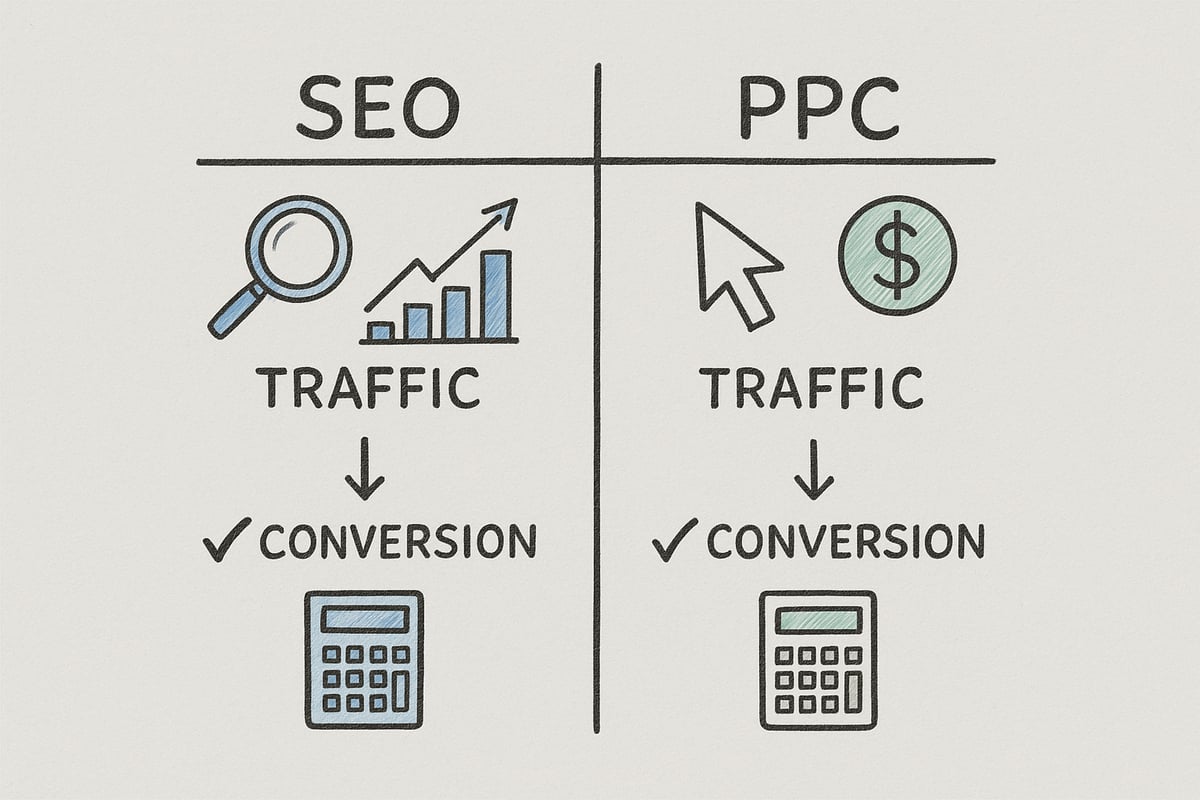
For businesses investing in ppc and seo, SEO ROI is often measured by tracking organic traffic growth, keyword rankings, and user engagement. Conversion rates and customer lifetime value provide deeper insights into the effectiveness of SEO campaigns.
Attribution can be tricky, as organic journeys are rarely linear. Many users discover a brand through organic search, return later, and convert after multiple interactions. For example, a SaaS company might see leads generated from organic blog content who convert weeks later through branded searches.
SEO’s true value compounds over time. Unlike paid ads, organic positions can continue driving results long after the initial investment, making SEO a powerful long-term play in the ppc and seo toolkit.
| Metric | SEO Example | Value Delivered |
|---|---|---|
| Organic Traffic | Blog visitors | Brand awareness, leads |
| Keyword Rankings | High-intent terms | Sustained visibility |
| Conversion Rate | Enquiry forms | Measurable leads |
| Customer Lifetime Value | Repeat customers | Long-term revenue |
Measuring ROI for PPC
Measuring ROI for ppc and seo campaigns with a focus on PPC is often more straightforward. Key metrics include cost per click, cost per acquisition, return on ad spend, and direct conversion rates. PPC platforms provide immediate feedback, allowing marketers to see exactly how much revenue each click or campaign generates.
Attribution is clearer in PPC, as every interaction is tracked from ad impression to conversion. For instance, an e-commerce brand can calculate the exact ROAS for Google Ads campaigns, adjusting budgets in real time for optimal performance.
The trade-off is that results only last as long as the budget. Once spending stops, so does the traffic, making PPC ideal for rapid testing and quick wins, but less effective for building sustainable value compared to ppc and seo hybrid approaches.
Factors Influencing ROI
Several factors determine whether ppc and seo will deliver the best ROI for your business. Industry competitiveness plays a significant role. Highly competitive sectors like finance or legal might experience higher PPC costs and slower SEO gains.
The customer journey also matters. High-ticket B2B products often require multiple touchpoints, making SEO's authority building crucial. In contrast, low-ticket B2C products may benefit from PPC’s immediate reach.
Budget and resources are key. Businesses with limited funds may favour PPC for instant results, while those aiming for sustainable growth might invest more in SEO.
Examples include a startup using PPC for quick product validation, versus an established brand leveraging SEO to dominate informational queries over time.
When SEO or PPC Wins
SEO shines for building authority, trust, and ongoing organic growth. It is best suited for brands focused on long-term sustainability. PPC excels for rapid testing, product launches, and targeting high-intent buyers ready to convert.
The most successful businesses in 2026 are blending ppc and seo strategies. By integrating both, they maximise visibility, share valuable data, and capture customers at every stage of the funnel.
For those ready to elevate their approach, integrated digital marketing strategies offer a proven path, combining the strengths of ppc and seo for superior ROI and business growth.
Future Trends: How Search and Paid Clicks Are Changing
The future of ppc and seo is shaping up to be more dynamic than ever. As we head into 2026, rapid changes in technology, consumer behaviour, and regulatory requirements are redefining what it takes to win online visibility. Businesses must adapt their strategies to stay ahead of the curve, leveraging innovations and best practices to maximise their digital marketing impact.
AI and Search Evolution
Artificial intelligence is rapidly transforming how ppc and seo operate. Search engines are rolling out Search Generative Experience (SGE), which means users are seeing more AI-generated summaries and conversational answers. This shift is changing keyword strategies and placing new importance on optimising content for featured snippets, structured data, and natural language queries.
Voice search is also gaining traction, with more people using digital assistants to find information. Businesses need to adapt their ppc and seo strategies to ensure content is discoverable through voice and conversational AI. For example, optimising for question-based queries and conversational phrasing can boost both organic and paid visibility.
Staying ahead of AI-driven changes requires ongoing learning. For deeper insights on preparing for these shifts, see SEO and PPC Trends and Predictions for 2026.
Privacy, Tracking, and Data
The end of third-party cookies is set to disrupt both ppc and seo measurement and targeting. Marketers will increasingly rely on first-party data, such as CRM systems and email subscriber lists, to build accurate audiences. Consent-driven data collection is becoming a must, and businesses that fail to adapt risk losing valuable targeting options.
Ppc and seo professionals are also investing in robust analytics platforms to track performance amid new regulations. As privacy laws tighten, expect to see a greater emphasis on transparent data practices and customer trust. Brands integrating their own data with ad platforms will be better positioned for success in this privacy-first era.
Rising Costs and Competition
Competition in digital marketing is heating up, driving higher costs per click and greater complexity for both ppc and seo. As more advertisers enter the market and automation tools become standard, the cost of maintaining top positions continues to climb. This trend is especially noticeable in high-value industries like finance, law, and e-commerce.
SEO is also becoming more technical, with search engines prioritising sites that offer exceptional user experience and authoritative content. In niche sectors, both ppc and seo costs are increasing as brands vie for limited high-intent traffic. Businesses need to balance their budgets and continually refine their strategies to remain competitive.
Integration and Omnichannel Strategies
The line between ppc and seo is blurring as businesses pursue integrated, omnichannel approaches. Unified analytics platforms now allow marketers to track user journeys across both paid and organic channels, providing a clearer picture of what drives conversions. Cross-channel remarketing, where organic visitors are retargeted with paid ads, is boosting overall ROI.
Smart brands are leveraging shared keyword data and insights to inform both ppc and seo efforts. This synergy maximises visibility and ensures consistent messaging throughout the funnel. For a rundown of tools that support these integrated strategies, explore the latest digital marketing tools for 2026.
Local and Mobile Search
Local and mobile search are taking centre stage in the ppc and seo landscape. With mobile device usage at an all-time high, mobile-first strategies are essential for reaching customers where they are. Location-based PPC campaigns and optimised Google Business Profiles are delivering results for hospitality, retail, and service industries.
Ppc and seo tactics tailored to local intent, such as targeting "near me" searches and leveraging location extensions, are helping businesses stand out in competitive markets. As search behaviour continues to evolve, prioritising local and mobile optimisation will be crucial for digital growth.
Choosing the Right Strategy: Factors to Consider for Your Business
Selecting between ppc and seo is a pivotal decision for any business looking to maximise its digital presence in 2026. The right approach depends on multiple factors unique to your business model, goals, industry, and resources. Let’s break down the essential considerations to help you make an informed choice.
Business Goals and Budget
Your business objectives set the stage for your digital marketing strategy. If your goals are immediate lead generation or rapid sales, ppc and seo can serve different roles. PPC delivers quick results, offering instant traffic and measurable conversions, making it ideal for short-term campaigns or product launches.
SEO, on the other hand, is a long-term investment. It’s suited for businesses aiming to build brand authority and secure ongoing organic growth. Budget allocation is another key consideration. PPC requires continuous spend, while SEO demands upfront investment in content, technical improvements, and ongoing optimisation. Startups might lean towards PPC for quick traction, while established brands can afford to nurture organic visibility through SEO.
Industry and Competition
The competitive landscape of your industry influences the effectiveness of ppc and seo. Highly competitive niches like legal or finance often see expensive PPC bids and fierce battles for top organic spots. In these sectors, a combined strategy may yield the best results, leveraging PPC for immediate exposure and SEO for sustained authority.
In less saturated markets, SEO can be a cost-effective way to dominate search results over time. E-commerce and retail businesses frequently use both approaches, targeting high-intent keywords with PPC while building content-rich pages for organic search. Analysing your competitors’ strategies can reveal gaps and opportunities, helping you tailor your approach for optimal impact.
Audience Behaviour and Intent
Understanding your audience’s search habits is crucial when weighing ppc and seo. Some demographics respond well to paid ads, especially if they’re in a hurry or ready to buy. Others place more trust in organic results, valuing in-depth content and unbiased recommendations.
For instance, younger users might click on visually engaging PPC ads, while older or research-focused audiences may prefer organic listings. Mapping the customer journey and identifying where your audience interacts with search can help you allocate resources effectively. Consider testing both channels to determine which resonates best with your target market.
Resource Availability and Expertise
The success of ppc and seo depends on your team’s skills and available resources. PPC campaigns require constant monitoring, data analysis, and creative testing. SEO demands expertise in technical optimisation, content creation, and link building. Many businesses partner with agencies or consultants to fill gaps in knowledge or bandwidth.
With the rise of AI-driven automation in PPC, such as AI-Powered Automation in PPC, even small teams can manage complex campaigns more efficiently. Similarly, advanced SEO now involves optimising for AI-powered search engines, making ongoing education and upskilling essential. Assess whether you have the capabilities in-house or need external support to execute your chosen strategy.
Integrated Strategy: The Power of Combining SEO and PPC
For many businesses, a hybrid approach to ppc and seo delivers the best results. By integrating both, you can cover all stages of the customer journey, from awareness to conversion. Shared data between PPC and SEO teams enables smarter keyword targeting and more cohesive messaging.
A combined strategy also mitigates risk. If one channel underperforms due to market shifts or algorithm changes, the other can maintain your brand’s visibility. Tools and frameworks like the Generative Engine Optimization Framework offer guidance for optimising content in an AI-driven search landscape, further enhancing the synergy between both channels.
Here’s a quick comparison:
| Factor | PPC | SEO | Combined Approach |
|---|---|---|---|
| Speed | Immediate | Gradual | Balanced |
| Cost | Ongoing per click | Upfront, ongoing effort | Flexible |
| Control | High | Algorithm-dependent | Shared insights |
| Longevity | Short-term | Long-term | Sustainable + agile |
Common Pitfalls and How to Avoid Them
When implementing ppc and seo, some common mistakes can undermine your efforts:
- Overlapping keywords, causing cannibalisation and wasted spend.
- Inconsistent messaging across channels, confusing your audience.
- Focusing solely on short-term PPC gains at the expense of long-term SEO growth.
- Neglecting to measure results holistically, missing opportunities for optimisation.
Avoid these pitfalls by aligning your teams, regularly auditing your campaigns, and maintaining a unified brand voice. Balance your investments and use data from both channels to inform future strategy. By doing so, your business can build a resilient and adaptable digital presence.
As you’ve seen, finding the right balance between PPC and SEO can be the key to unlocking real, measurable growth for your business in 2026. If you’re feeling uncertain about where to focus, or just want a clear strategy tailored to your goals, I recommend taking the next step with expert guidance. At My Heart Studio, we specialise in helping Australian businesses make informed decisions, blending web design, digital marketing, and strategic planning for results that last. Ready to future proof your digital presence and see which mix will work for you? Book a Free Strategy Call and let’s get started together.