
The restaurant industry faces unprecedented competition in 2026, with diners increasingly discovering their next meal through smartphones, social media feeds, and search engines rather than traditional word-of-mouth recommendations. Restaurant digital marketing has evolved from an optional extra to an absolute necessity for survival and growth. Whether you're managing a cosy café in Adelaide or a chain of eateries across Australia, understanding how to leverage digital channels effectively determines whether your tables stay full or your business struggles to attract customers. This comprehensive guide explores the essential strategies, tactics, and tools that modern restaurants need to thrive in today's digital-first dining landscape.
Understanding the Restaurant Digital Marketing Landscape
The digital transformation of the hospitality sector accelerated dramatically over recent years, fundamentally changing how restaurants connect with potential customers. Today's diners expect seamless online experiences, from browsing menus on mobile devices to making reservations with a few taps.
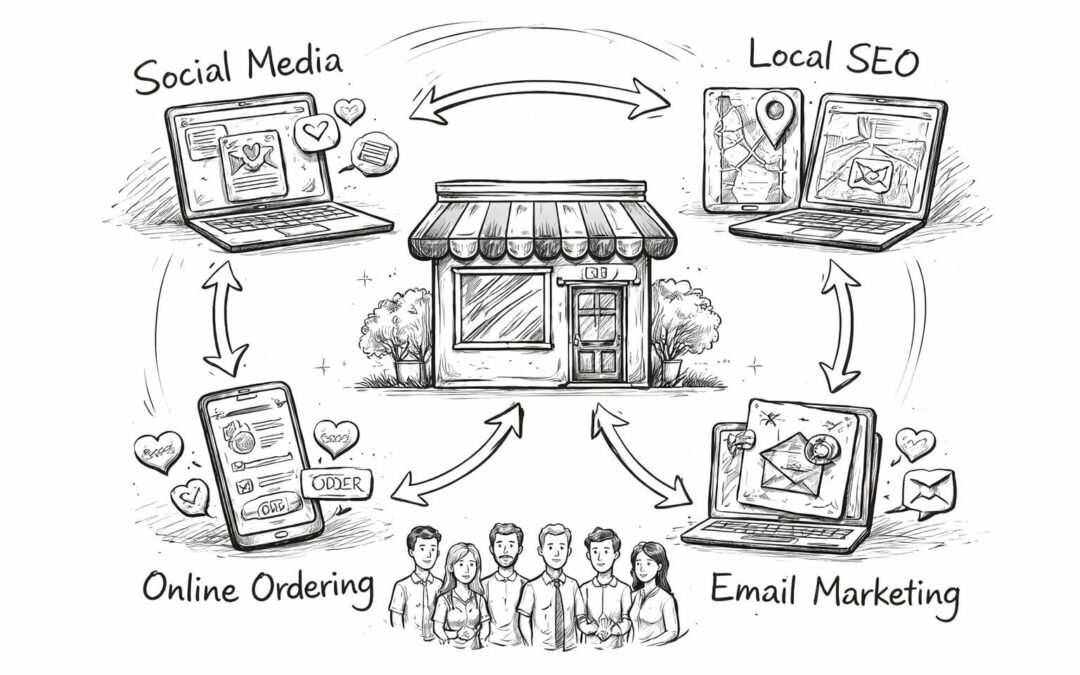
Restaurant digital marketing encompasses every digital touchpoint between your establishment and your customers. This includes your website, social media profiles, email campaigns, online ordering systems, review platforms, and local search presence. Each channel serves a distinct purpose in the customer journey, from initial discovery through to becoming a loyal regular.
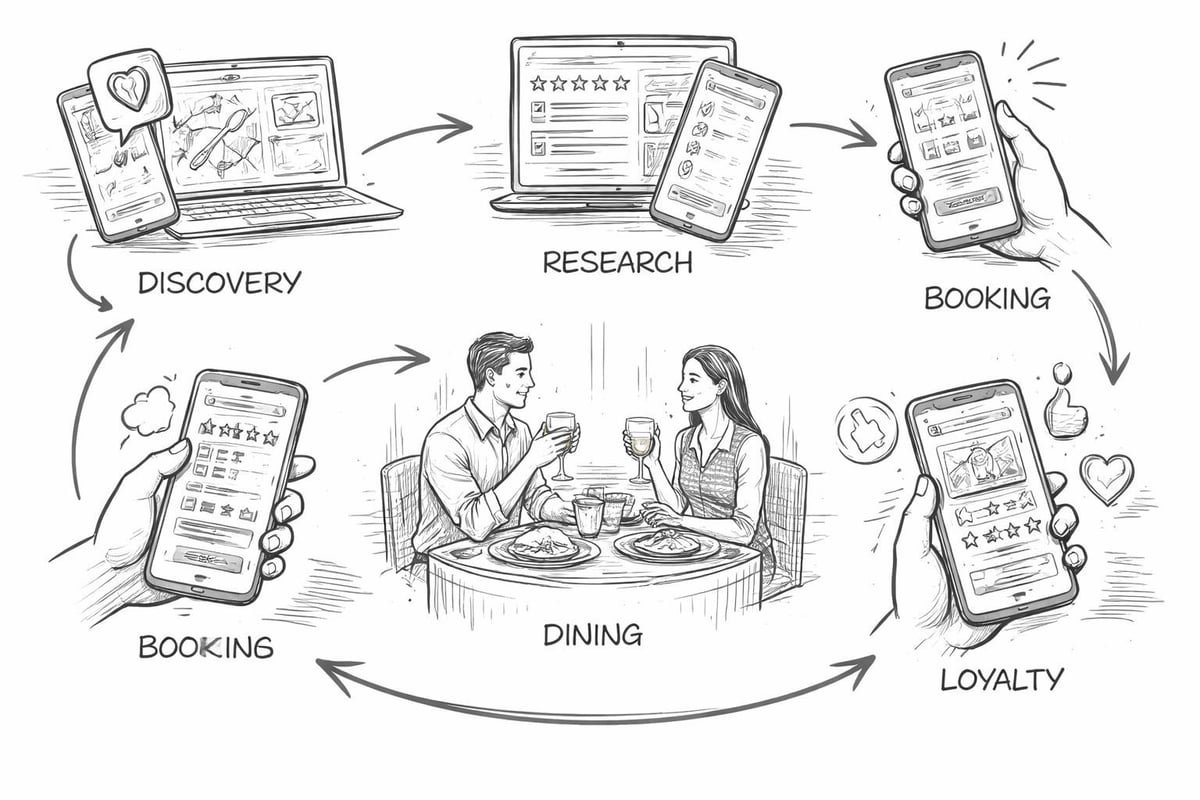
The modern restaurant customer journey typically follows these stages:
- Discovery through search engines or social media
- Research via reviews, photos, and menu browsing
- Decision-making based on convenience and appeal
- First visit or online order
- Post-visit engagement through email or social media
- Return visits driven by loyalty programmes and remarketing
Understanding this journey allows restaurants to strategically position their digital marketing efforts where they'll have maximum impact. According to comprehensive digital marketing tactics outlined by industry experts, restaurants that implement coordinated digital strategies see significantly higher customer acquisition and retention rates.
Local SEO: Your Foundation for Visibility
Local search engine optimisation represents the cornerstone of restaurant digital marketing success. When potential customers search for "Italian restaurant near me" or "best brunch in Adelaide," you need your establishment appearing prominently in results.
Google Business Profile Optimization
Your Google Business Profile (formerly Google My Business) functions as your restaurant's digital storefront. This free tool dramatically impacts your visibility in local search results and Google Maps.
Essential optimization steps include:
- Complete every profile section with accurate, detailed information
- Upload high-quality photos of dishes, ambiance, and exterior
- Maintain consistent business hours, updating for holidays
- Respond promptly to all reviews, both positive and negative
- Post regular updates about specials, events, and seasonal menus
- Select appropriate categories and attributes
The importance of local SEO and Google Business Profile optimization cannot be overstated, as these efforts directly influence whether hungry customers find your restaurant when they're ready to dine.
Website SEO Fundamentals
Your restaurant website serves as your owned digital property, giving you complete control over messaging and user experience. Optimizing this asset ensures organic search traffic flows consistently to your business.
| SEO Element | Best Practice | Impact |
|---|---|---|
| Page Speed | Load in under 3 seconds on mobile | High conversion rates |
| Mobile Design | Responsive, thumb-friendly navigation | Improved user experience |
| Menu Pages | Detailed descriptions with keywords | Better search visibility |
| Location Pages | Unique content for each location | Enhanced local rankings |
| Schema Markup | Restaurant-specific structured data | Rich search results |
Beyond technical optimization, your website content should naturally incorporate location-specific keywords, cuisine types, and unique selling propositions that differentiate your establishment from competitors.
Social Media Marketing That Drives Foot Traffic
Social platforms have become the primary discovery mechanism for restaurants, particularly among younger demographics. Effective restaurant digital marketing leverages these channels to showcase food quality, atmosphere, and brand personality.
Platform Selection and Strategy
Not every social platform deserves equal attention. Focus your efforts where your target customers spend their time.
Instagram dominates restaurant marketing thanks to its visual nature. High-quality food photography, behind-the-scenes content, and user-generated posts create compelling reasons for followers to visit.
Facebook remains valuable for building community, sharing longer-form content, and running targeted advertising campaigns to specific demographics within your delivery radius.
TikTok offers explosive reach potential through entertaining, authentic content that showcases your food preparation, staff personalities, or unique dining experiences.
Following social media marketing best practices for restaurants ensures your content resonates with audiences and converts followers into customers. Consistency, authenticity, and value-driven content form the foundation of successful social strategies.
Content Types That Generate Engagement
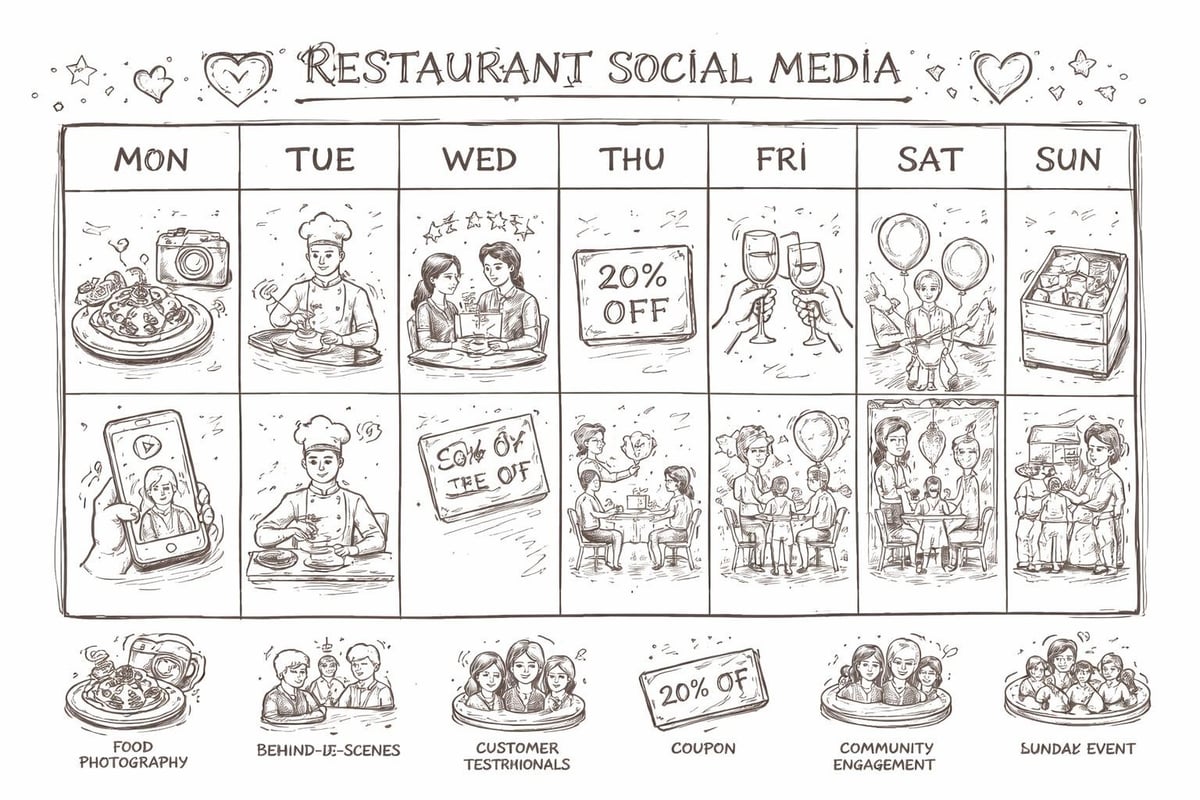
The most successful restaurant social media accounts maintain variety in their content mix rather than posting identical promotional messages repeatedly.
- Food photography: Professional shots of signature dishes and seasonal specials
- Video content: Quick recipe tips, chef demonstrations, or table-side preparations
- User-generated content: Reposting customer photos and experiences (with permission)
- Behind-the-scenes: Kitchen preparations, staff introductions, ingredient sourcing
- Interactive content: Polls about new menu items, Q&A sessions, contests
Strategic content planning ensures your social feeds remain fresh and engaging while subtly encouraging visits and orders. User-generated content and influencer partnerships particularly drive authentic engagement that translates into restaurant traffic.
Email Marketing for Customer Retention
Whilst social media attracts new customers, email marketing excels at converting one-time visitors into loyal regulars. Building an email subscriber list represents one of the most valuable assets in restaurant digital marketing.
Building Your Subscriber Base
Growing your email list requires offering compelling value in exchange for contact information. Effective lead magnets for restaurants include:
- Discount on first visit or next meal
- Exclusive access to seasonal tasting menus
- Birthday rewards programme enrollment
- Priority reservations for special events
- Weekly specials and menu updates
Table-side sign-up tablets, website pop-ups, and social media promotions all contribute to list growth. The key is making the value proposition crystal clear and the sign-up process frictionless.
Campaign Types That Drive Revenue
Investing in email marketing delivers exceptional returns for restaurants when campaigns align with customer preferences and dining patterns.
Welcome series: Automated emails that introduce new subscribers to your story, menu highlights, and reservation process.
Weekly specials: Regular updates about limited-time offers, seasonal dishes, or chef's recommendations that create urgency.
Reactivation campaigns: Targeted messages to customers who haven't visited recently, often including special incentives.
Event invitations: Exclusive previews of wine dinners, cooking classes, or holiday celebrations for loyal subscribers.
Segmenting your list by dining preferences, visit frequency, or average spend allows for personalized messaging that resonates more effectively than generic broadcasts.
Online Ordering and Delivery Integration
The dramatic shift toward off-premise dining shows no signs of reversing in 2026. Restaurant digital marketing must account for customers who prefer enjoying your food at home rather than dining in.
Owned vs Third-Party Platforms
This decision significantly impacts your profit margins and customer relationships.
| Factor | Owned Platform | Third-Party Apps |
|---|---|---|
| Commission Fees | None (processing fees only) | 15-30% per order |
| Customer Data | Full access | Limited or none |
| Brand Control | Complete | Shared with competitors |
| Initial Setup | Higher investment | Quick launch |
| Marketing Reach | Requires promotion | Built-in audience |
Many successful restaurants employ a hybrid approach, using third-party platforms for discovery whilst encouraging direct ordering through their owned channels via loyalty incentives and lower prices. Comprehensive restaurant marketing strategies emphasize balancing these channels for optimal profitability.
Mobile App Considerations
Branded mobile apps create direct customer relationships and enable sophisticated loyalty programmes. Features that drive downloads and regular usage include:
- Streamlined ordering with saved preferences
- Exclusive app-only promotions and pricing
- Points-based rewards systems
- Push notifications for time-sensitive offers
- Digital punch cards or visit tracking
The investment in app development makes sense for restaurants with strong repeat customer bases and multiple locations.
Review Management and Reputation
Online reviews function as digital word-of-mouth, dramatically influencing dining decisions. Proactive review management forms an essential component of restaurant digital marketing.
Monitoring and Response Strategy
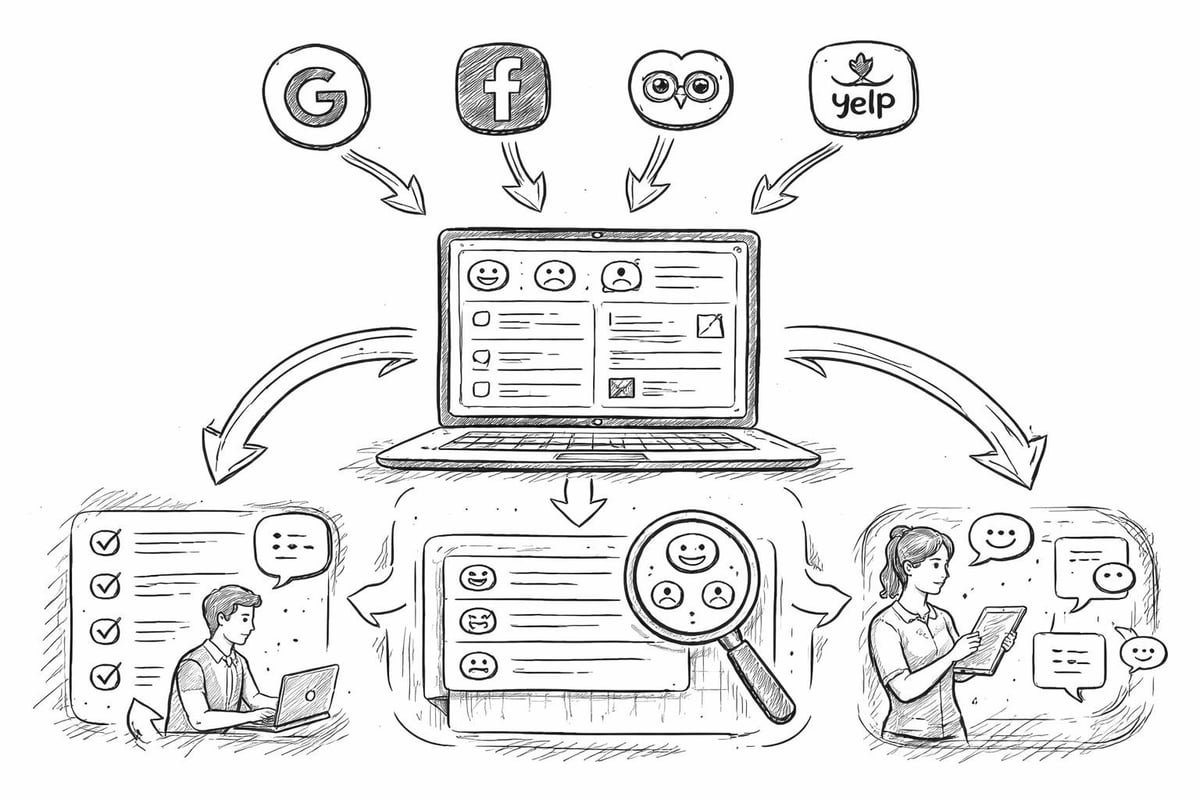
Customers read reviews on multiple platforms including Google, Facebook, TripAdvisor, and Yelp. Efficient monitoring requires consolidated tools that aggregate feedback across channels.
Response best practices:
- Reply to all reviews within 24-48 hours
- Thank positive reviewers specifically and personally
- Address negative feedback professionally without being defensive
- Take detailed complaints offline for resolution
- Demonstrate continuous improvement based on feedback
These interactions showcase your commitment to customer satisfaction whilst providing valuable insights for operational improvements.
Generating More Positive Reviews
The best time to request reviews is immediately after positive dining experiences whilst emotions and details remain fresh.
Effective tactics include training staff to ask satisfied customers directly, sending post-visit emails with review links, and displaying subtle signage near exits. Avoid incentivizing reviews with discounts, as major platforms prohibit this practice.
Paid Advertising for Immediate Results
Organic restaurant digital marketing builds sustainable long-term growth, but paid advertising delivers immediate visibility and measurable results.
Search Engine Advertising
Google Ads places your restaurant at the top of search results for relevant queries. Location-based targeting ensures you're only paying for clicks from potential customers within your delivery or dining radius.
Effective campaign structures separate branded searches (your restaurant name) from competitive searches (cuisine types, neighborhood dining) and high-intent phrases ("restaurants open now," "book table tonight").
Social Media Advertising
Facebook and Instagram advertising excels at reaching specific demographics within defined geographic areas. Detailed targeting options include age, income, interests, dining behaviors, and even competitor's customers.
High-performing ad formats include:
- Carousel ads showcasing multiple menu items
- Video ads featuring food preparation or dining atmosphere
- Collection ads with browsable menu catalogs
- Lead generation ads for email list building
- Event response ads for special occasions
Retargeting campaigns reconnect with website visitors who didn't complete reservations or orders, often converting them at significantly higher rates than cold audiences.
Analytics and Performance Measurement
Data-driven restaurant digital marketing outperforms intuition-based approaches. Tracking key metrics reveals what's working, what needs adjustment, and where to allocate future resources.
Essential Metrics to Monitor
Different channels require different success indicators, but several core metrics apply across your digital presence:
- Website traffic sources: Understanding where visitors originate
- Conversion rates: Percentage completing desired actions (reservations, orders)
- Customer acquisition cost: Total marketing spend divided by new customers
- Customer lifetime value: Average revenue per customer over relationship
- Email engagement: Open rates, click rates, unsubscribe rates
- Social media growth: Follower increases, engagement rates, reach
Advanced tracking connects online interactions to offline visits through reservation systems, point-of-sale data, and customer surveys asking "How did you hear about us?"
Tools and Platforms
Integrated analytics platforms provide comprehensive views of restaurant digital marketing performance. Google Analytics tracks website behavior, social platforms offer native insights, and email systems report campaign metrics.
Many restaurants benefit from consolidated dashboards that display all key performance indicators in one location, making trends and opportunities immediately visible without switching between multiple tools.
Seasonal Campaigns and Promotional Strategy
Strategic timing amplifies restaurant digital marketing effectiveness. Coordinating campaigns with seasons, holidays, and local events creates relevant messaging that resonates with customer mindsets.
Planning Your Marketing Calendar
Building a 12-month promotional calendar ensures consistent customer engagement whilst capitalizing on predictable busy periods.
Quarter 1 (January-March): New Year health-focused menus, Valentine's Day promotions, autumn comfort foods
Quarter 2 (April-June): Easter celebrations, Mother's Day specials, winter warming dishes
Quarter 3 (July-September): Mid-year events, Father's Day promotions, spring menu launches
Quarter 4 (October-December): Melbourne Cup hospitality, Christmas functions, New Year's Eve bookings
Each campaign requires coordinated execution across email, social media, paid advertising, and website updates for maximum impact.
Limited-Time Offers That Drive Urgency
Creating scarcity through time-limited promotions motivates immediate action rather than indefinite procrastination. Testing loyalty programs and seasonal offer codes helps identify which incentives resonate most strongly with your customer base.
Effective approaches include flash sales announced via social media, early-bird booking discounts for events, and exclusive member-only tastings that reward loyalty whilst encouraging future visits.
Building a Comprehensive Digital Presence
Successful restaurant digital marketing integrates multiple channels into cohesive customer experiences rather than treating each platform as isolated. Your brand voice, visual identity, and core messages should remain consistent whether customers encounter you on Instagram, Google, or email.
Cross-Channel Coordination
Planning campaigns holistically ensures reinforcement rather than confusion. When launching a new menu, simultaneous efforts might include:
- Website updates with detailed dish descriptions and photography
- Social media teasers building anticipation before launch
- Email announcements to subscribers with exclusive preview opportunities
- Google Business Profile posts highlighting signature items
- Paid advertising targeting relevant demographics
- In-restaurant signage directing customers to online reviews
This coordinated approach creates multiple touchpoints that increase awareness and conversion likelihood.
Case Study Insights
Real-world examples demonstrate restaurant digital marketing effectiveness. A local restaurant case study showed how strategic website optimization, social media engagement, and email marketing drove significant growth in reservations and revenue over a sustained period.
The success factors included consistent execution, data-informed adjustments, and integrated campaigns that reinforced messages across channels rather than fragmented, disconnected efforts.
Emerging Technologies and Future Trends
Restaurant digital marketing continues evolving as new technologies and consumer behaviors emerge. Staying informed about trends positions forward-thinking restaurants for competitive advantage.
Conversational AI and Chatbots
Automated assistants handle common customer queries about hours, menus, and reservations without staff intervention. Research on location-based systems and conversational agents demonstrates how these technologies enhance customer engagement whilst reducing operational burden.
Advanced implementations offer personalized recommendations based on dietary preferences, previous orders, or current promotions, creating helpful interactions that drive conversion.
Voice Search Optimization
Smart speakers and voice assistants increasingly answer dining queries. Optimizing for natural language questions ("What's the best Italian restaurant in Adelaide?") requires different approaches than traditional keyword targeting.
Structured data markup, question-focused content, and conversational language improve voice search visibility as this channel grows in importance.
Restaurant digital marketing in 2026 requires integrated strategies that connect with customers across multiple touchpoints, from initial discovery through to becoming loyal regulars. Success comes from consistent execution, data-informed refinement, and authentic engagement that showcases what makes your establishment unique. If you're ready to elevate your restaurant's digital presence and attract more customers, My Heart Studio brings specialized expertise in hospitality marketing, helping Australian restaurants build comprehensive digital strategies that fill tables and drive sustainable growth.