
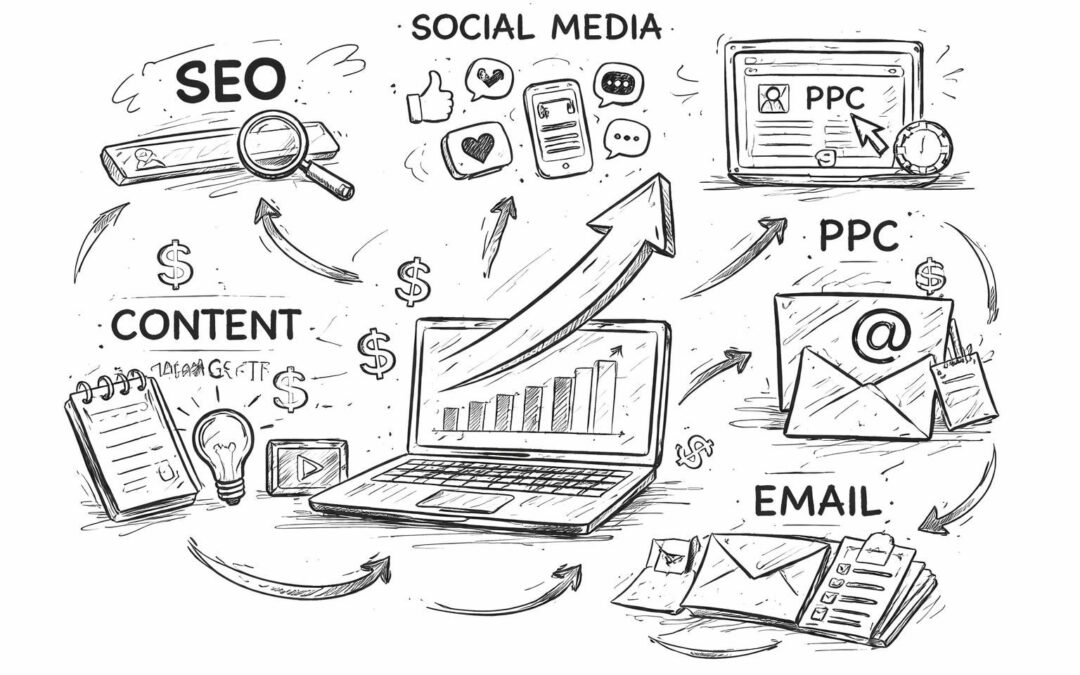
The landscape of business promotion has fundamentally transformed over the past decade. Where traditional advertising once dominated marketing budgets, digital channels now command the majority of investment for businesses across Australia. Digital marketing and advertising encompasses the strategies, tactics, and platforms businesses use to reach customers online, build brand awareness, and drive conversions through measurable, data-driven campaigns. For Adelaide businesses and enterprises nationwide, understanding this ecosystem has become essential for sustainable growth in 2026.
Understanding the Foundations of Digital Marketing and Advertising
The distinction between marketing and advertising within the digital realm often blurs, yet understanding each component helps businesses allocate resources effectively. Digital marketing represents the broader strategy of connecting with audiences through online channels, building relationships, and nurturing prospects throughout their journey. Advertising, meanwhile, focuses specifically on paid promotional activities designed to generate immediate visibility and action.
Modern businesses require both elements working in harmony. According to eMarketer’s latest research, Australian companies now allocate approximately 68% of their total marketing budgets to digital channels, reflecting the fundamental shift in consumer behaviour and media consumption patterns.
The Core Channels Driving Results
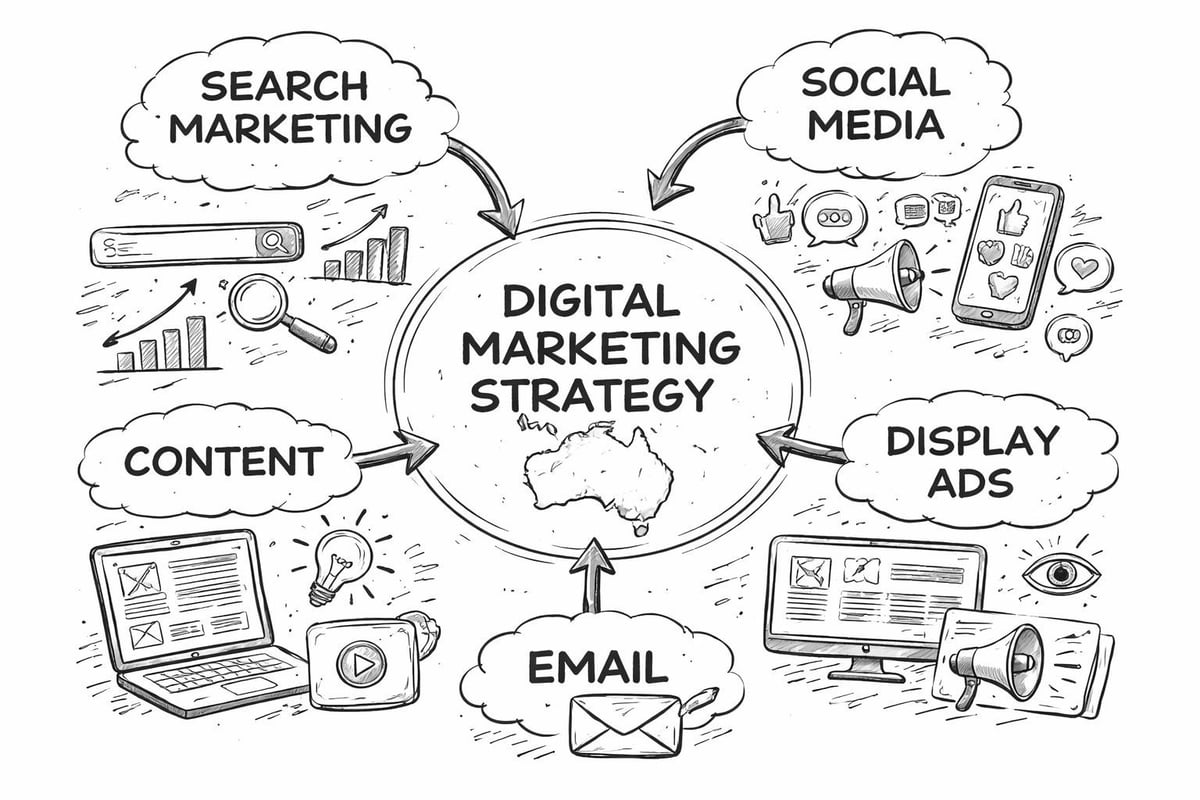
Digital marketing and advertising operates across multiple platforms, each serving distinct purposes within an integrated strategy:
- Search engine marketing combines organic SEO efforts with paid search advertising
- Social media platforms enable both organic community building and targeted paid campaigns
- Email marketing delivers personalised messaging directly to engaged subscribers
- Content marketing attracts audiences through valuable, relevant information
- Display advertising builds brand awareness across websites and applications
- Video marketing captures attention through visual storytelling on platforms like YouTube
The HubSpot resource library provides extensive guides demonstrating how these channels interconnect within comprehensive marketing strategies.
Strategic Planning for Digital Success
Effective digital marketing and advertising begins with strategic planning rather than tactical execution. Businesses that achieve sustainable results invest time defining their objectives, understanding their audiences, and mapping customer journeys before launching campaigns.
Defining Clear Business Objectives
Every digital initiative should align with measurable business goals. Whether you’re a coaching consultancy requiring lead generation or a dental practice seeking new patient bookings, your objectives dictate channel selection and campaign structure.
| Objective | Primary Metrics | Recommended Channels |
|---|---|---|
| Brand Awareness | Impressions, Reach, Share of Voice | Display Ads, Social Media, Video |
| Lead Generation | Form Submissions, Downloads, Enquiries | Search Ads, LinkedIn, Content Marketing |
| Direct Sales | Revenue, Conversion Rate, ROAS | Shopping Ads, Retargeting, Email |
| Customer Retention | Engagement Rate, Repeat Purchase Rate | Email, Social Media, Content |
My Heart Studio works with Australian businesses to establish these foundational strategies, ensuring every digital dollar invested connects directly to business outcomes through strategic planning services.
Audience Research and Segmentation
Understanding who you’re trying to reach transforms generic campaigns into personalised experiences. Digital marketing and advertising provides unprecedented data access, enabling businesses to segment audiences based on demographics, behaviours, interests, and purchase intent.
Sophisticated audience research examines:
- Demographic profiles including age, location, income, and education levels
- Psychographic characteristics such as values, interests, and lifestyle preferences
- Behavioural patterns showing how prospects interact with digital content
- Purchase journey stages from awareness through consideration to decision
This segmentation allows businesses to craft messages that resonate with specific groups, dramatically improving campaign performance and return on investment.
Search Engine Marketing: The Foundation of Digital Visibility
Search engines remain the primary discovery mechanism for Australian consumers researching products and services. Digital marketing and advertising strategies must therefore prioritise visibility within search results through both organic and paid approaches.
Organic Search Optimisation
SEO represents the practice of enhancing website content, structure, and authority to rank prominently for relevant search queries. Unlike paid advertising, organic visibility compounds over time, delivering sustainable traffic without ongoing media costs.
Critical SEO elements include:
- Technical infrastructure ensuring search engines can crawl and index your website efficiently
- Keyword research identifying the terms your target audience actually uses
- Content creation answering questions and solving problems your prospects face
- Link building establishing authority through quality backlinks from reputable sources
- Local optimisation for businesses serving specific geographic areas like Adelaide
The investment in SEO delivers long-term dividends, though results typically require three to six months to materialise significantly.
Paid Search Advertising
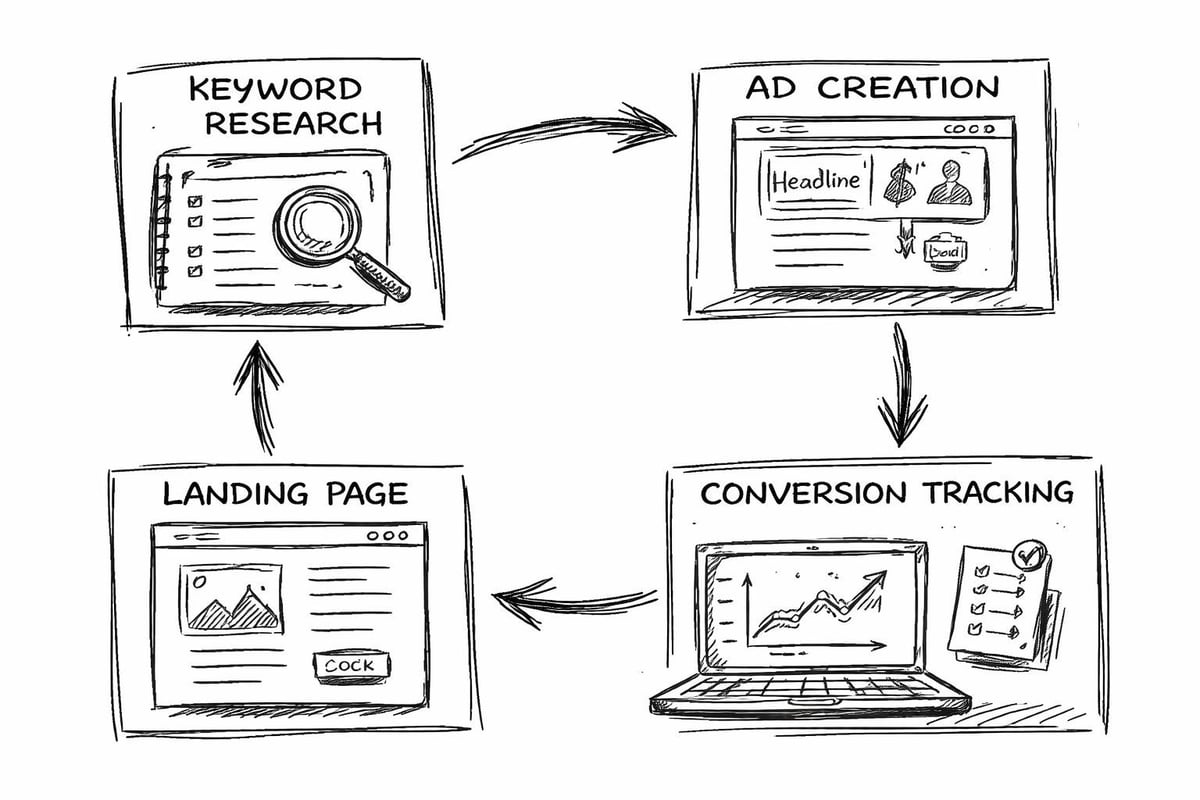
Google Ads and Microsoft Advertising provide immediate visibility for businesses willing to invest in paid placements. These platforms operate on auction-based models where advertisers bid on keywords relevant to their offerings.
Successful paid search campaigns balance several factors:
| Factor | Importance | Optimisation Focus |
|---|---|---|
| Keyword Relevance | High | Match intent, not just traffic volume |
| Ad Copy Quality | High | Clear value proposition, compelling CTAs |
| Landing Page Experience | Critical | Conversion-focused design, fast loading |
| Bid Strategy | Medium | Balance cost per click with conversion value |
| Quality Score | High | Improves ad position while reducing costs |
My Heart Studio’s Google Ads services help Australian businesses maximise their paid search investments through strategic campaign management and continuous optimisation.
Social Media Marketing and Advertising
Social platforms have evolved from simple networking tools into sophisticated marketing channels where businesses build communities and drive conversions. Digital marketing and advertising on social media requires understanding each platform’s unique audience, format preferences, and advertising capabilities.
Platform Selection and Strategy
Not every business needs presence on every platform. Strategic selection based on audience behaviour delivers better results than spreading resources thin across multiple channels.
LinkedIn serves B2B companies, professional services, and recruitment-focused businesses exceptionally well. The platform’s targeting capabilities allow precise audience selection based on job titles, industries, and company characteristics.
Facebook and Instagram remain powerful for B2C businesses, local services, and visual brands. Meta’s advertising platform provides extensive targeting options and diverse ad formats from single images to immersive Stories and Reels.
TikTok has emerged as a significant player, particularly for brands targeting younger demographics or those willing to embrace authentic, entertaining content approaches.
Content Strategy vs Paid Promotion
Successful social media marketing balances organic community building with strategic paid promotion. Organic content establishes brand personality, provides value to followers, and nurtures relationships over time. According to Social Media Today, businesses achieving the strongest social ROI post consistently valuable content whilst amplifying key messages through targeted advertising.
Paid social advertising accelerates reach beyond existing followers, targeting specific demographics, interests, and behaviours. Campaign objectives range from awareness-focused impressions to conversion-optimised actions like purchases or enquiries.
Content Marketing: The Engine of Digital Engagement
Quality content forms the foundation of effective digital marketing and advertising strategies. Whether blog articles, videos, podcasts, or infographics, valuable content attracts audiences, establishes expertise, and supports conversion throughout the customer journey.
Strategic Content Development
The Content Marketing Institute emphasises that successful content strategies begin with audience needs rather than promotional messages. Businesses that consistently answer questions, solve problems, and educate prospects build authority and trust that translates into customer acquisition.
Effective content marketing follows a structured process:
- Audience research identifying questions, challenges, and information gaps
- Topic ideation developing content ideas aligned with business objectives
- Content creation producing high-quality, well-researched material
- Distribution sharing content across owned, earned, and paid channels
- Performance analysis measuring engagement and conversion impact
This approach transforms content from expense into investment, generating compounding returns as material continues attracting and converting prospects months or years after publication.
Content Formats for Different Journey Stages
Different content types serve distinct purposes within the customer journey. Awareness-stage prospects benefit from educational blog posts, how-to guides, and informative videos that address broad topics. Consideration-stage audiences engage with comparison guides, case studies, and detailed product information. Decision-stage content includes testimonials, demonstrations, and special offers encouraging immediate action.
Businesses like coaching professionals or dental practices require content addressing patient concerns, treatment explanations, and practice differentiators to guide prospects toward booking appointments.
Email Marketing: The Highest ROI Channel
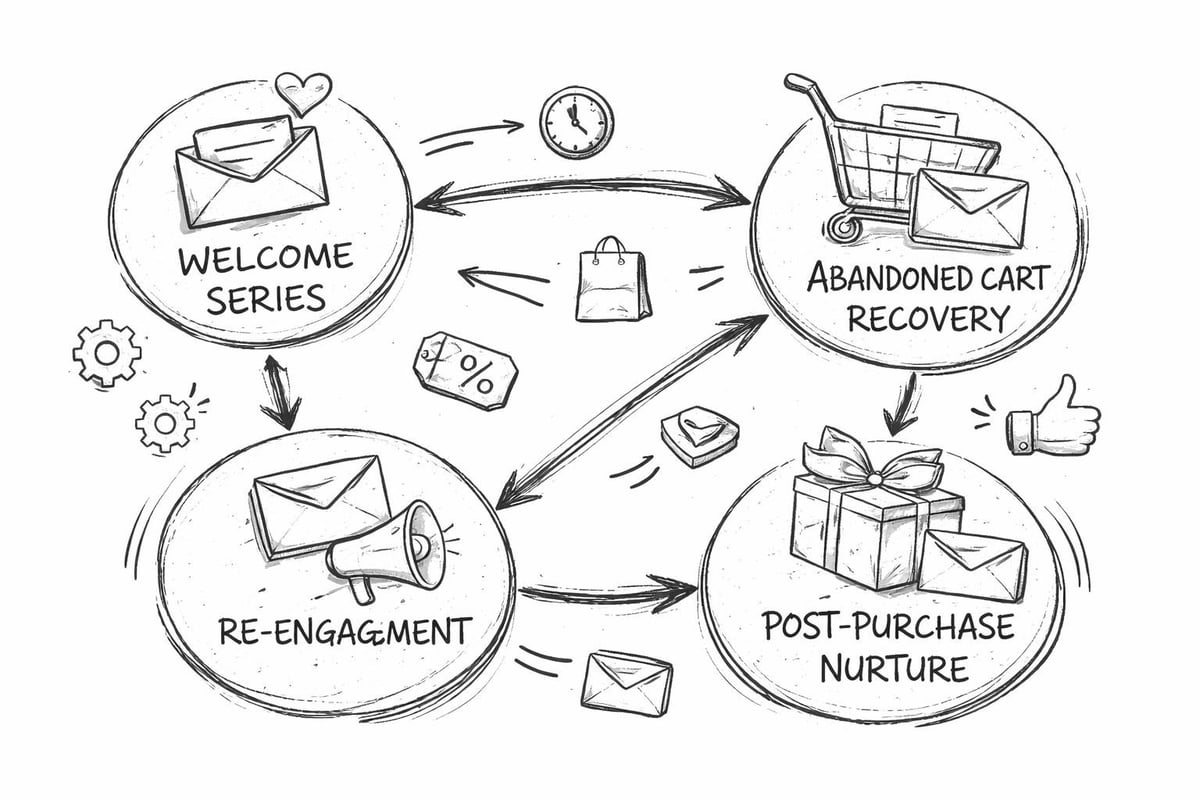
Despite the proliferation of new digital channels, email consistently delivers the strongest return on investment within digital marketing and advertising portfolios. The direct, personalised nature of email communication enables businesses to nurture relationships, drive repeat purchases, and maximise customer lifetime value.
Building Quality Subscriber Lists
Effective email marketing begins with permission-based list building. Businesses must provide clear value propositions encouraging website visitors to subscribe voluntarily. Lead magnets such as guides, checklists, discounts, or exclusive content incentivise subscriptions whilst establishing immediate value.
List growth strategies include:
- Website opt-in forms strategically placed on high-traffic pages
- Content upgrades offering bonus material for specific articles
- Social media promotions highlighting subscriber benefits
- In-person events collecting contact information with permission
- Partner collaborations expanding reach to complementary audiences
Quality matters significantly more than quantity. A smaller list of engaged subscribers delivers superior results compared to large lists of disinterested contacts.
Segmentation and Personalisation
Advanced email marketing leverages subscriber data to deliver personalised experiences. Segmentation divides lists based on characteristics like purchase history, engagement levels, demographics, or stated preferences. Personalisation extends beyond inserting names, adapting content, offers, and timing to individual subscriber behaviours and interests.
Research from Think with Google demonstrates that personalised marketing experiences significantly increase engagement rates and conversion probabilities across all digital channels, with email showing particularly strong responsiveness to personalisation efforts.
Measuring Performance and Optimising Campaigns
Digital marketing and advertising’s greatest advantage lies in measurability. Unlike traditional media where attribution remains challenging, digital channels provide detailed performance data enabling continuous improvement and budget optimisation.
Essential Metrics and KPIs
Different marketing objectives require different measurement approaches. Businesses must establish key performance indicators aligned with their specific goals rather than tracking vanity metrics that don’t connect to business outcomes.
| Campaign Type | Primary KPIs | Secondary Metrics |
|---|---|---|
| Awareness Campaigns | Impressions, Reach, Brand Searches | Social Followers, Video Views, Engagement Rate |
| Consideration Campaigns | Click-Through Rate, Time on Site, Pages per Session | Content Downloads, Video Completion, Social Shares |
| Conversion Campaigns | Conversion Rate, Cost per Acquisition, ROAS | Average Order Value, Form Submissions, Call Volume |
| Retention Campaigns | Customer Lifetime Value, Repeat Purchase Rate | Email Open Rate, Net Promoter Score, Churn Rate |
Google Analytics, advertising platform dashboards, and CRM systems provide the data infrastructure necessary for comprehensive performance tracking.
The Optimisation Cycle
Digital marketing and advertising success requires treating campaigns as ongoing experiments rather than set-and-forget initiatives. The optimisation cycle involves:
- Establishing baseline performance through initial campaigns
- Developing hypotheses about potential improvements
- Implementing controlled tests of new approaches
- Analysing results to identify winning variations
- Scaling successful tactics whilst eliminating underperformers
This systematic approach compounds improvements over time, with businesses typically seeing performance gains of 20-40% annually through consistent optimisation efforts.
Emerging Trends Reshaping Digital Marketing
The digital landscape evolves continuously, with new technologies, platforms, and consumer behaviours requiring ongoing adaptation. Businesses staying ahead of trends position themselves competitively whilst those clinging to outdated approaches lose relevance.
Artificial Intelligence and Automation
AI technologies now power significant portions of digital marketing and advertising operations. Machine learning algorithms optimise ad bidding, personalise content recommendations, predict customer behaviours, and automate routine tasks. According to Adweek’s industry analysis, marketers leveraging AI tools report efficiency improvements of 30-50% whilst maintaining or improving campaign performance.
Practical AI applications include:
- Chatbots providing instant customer service and qualification
- Predictive analytics forecasting customer lifetime value and churn probability
- Dynamic content adapting website and email experiences to individual visitors
- Automated bidding optimising ad spend across channels and audiences
- Content generation producing initial drafts and variations for testing
The businesses achieving strongest results use AI to augment human creativity and strategy rather than replace strategic thinking entirely.
Privacy Changes and First-Party Data
Increasing privacy regulations and browser changes limiting third-party cookies fundamentally alter digital advertising. Businesses must adapt by building direct relationships with customers and collecting first-party data through owned channels.
This shift emphasises:
- Email list building and customer database development
- Value exchange models incentivising data sharing
- Server-side tracking implementations
- Contextual advertising based on content rather than behaviour tracking
- Customer data platforms unifying information across touchpoints
Forward-thinking businesses view these changes as opportunities to strengthen customer relationships rather than obstacles limiting advertising effectiveness.
Video and Interactive Content
Video consumption continues accelerating across all demographics, with short-form video particularly dominant among younger audiences. Businesses integrating video into their digital marketing and advertising strategies see engagement rates significantly exceeding static content.
Interactive content including quizzes, calculators, assessments, and configurators generates exceptional engagement whilst providing valuable data about prospect preferences and needs. MarketingProfs research indicates interactive content generates twice the engagement of passive content whilst significantly improving conversion rates.
Integration: The Key to Maximum Impact
Whilst understanding individual channels remains important, truly effective digital marketing and advertising requires integration across touchpoints. Customers rarely convert after single exposures, instead engaging with businesses multiple times across various channels before making purchase decisions.
Multi-Channel Attribution
Attribution modelling helps businesses understand which touchpoints contribute to conversions, moving beyond last-click attribution that oversimplifies the customer journey. Sophisticated attribution approaches recognise that awareness-building activities, mid-funnel content, and final conversion tactics all play essential roles.
Common attribution models include:
- First-touch attribution crediting initial discovery channels
- Last-touch attribution assigning value to final conversion source
- Linear attribution distributing credit equally across all touchpoints
- Time-decay attribution weighting recent interactions more heavily
- Position-based attribution emphasising first and last touches whilst acknowledging middle interactions
Understanding attribution patterns enables smarter budget allocation and prevents underinvestment in upper-funnel activities that don’t immediately drive conversions but significantly influence eventual purchases.
Creating Cohesive Customer Experiences
Integration extends beyond measurement to creating seamless experiences as prospects move between channels. Consistent messaging, visual branding, and value propositions across search ads, social content, email campaigns, and website experiences build recognition and trust.
Businesses achieving the strongest results develop comprehensive digital marketing and advertising strategies before selecting tactics, ensuring every channel investment supports unified objectives rather than creating fragmented, disconnected campaigns that confuse prospects and waste resources.
Mastering digital marketing and advertising requires strategic thinking, continuous learning, and systematic execution across multiple channels working in concert. Australian businesses that invest in comprehensive digital strategies position themselves for sustainable growth in increasingly competitive markets. Whether you’re just beginning your digital journey or looking to optimise existing efforts, My Heart Studio provides the expertise, strategic guidance, and hands-on implementation support Adelaide businesses and companies across Australia need to achieve measurable results from their digital marketing investments.