
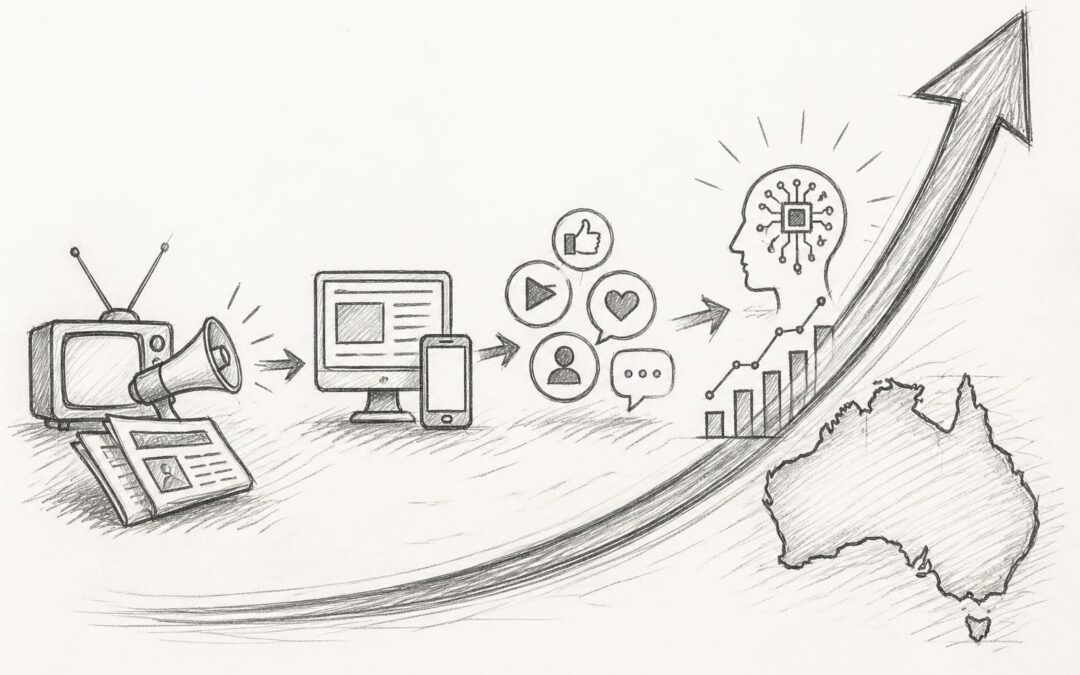
The landscape of Australian business has transformed dramatically over the past decade, with one truth becoming increasingly clear: digital marketing is growing at an unprecedented rate. For businesses across Adelaide and throughout Australia, understanding this growth isn't merely academic-it's essential for survival and success. From professional services to aged care facilities, organisations are discovering that digital channels now represent the primary battleground for customer attention, engagement, and conversion. This expansion reflects fundamental shifts in consumer behaviour, technological capabilities, and the very nature of how businesses connect with their audiences.
The Statistical Reality Behind Digital Expansion
Numbers tell a compelling story about how digital marketing is growing across every sector. Recent data from digital media and marketing research reveals that businesses worldwide are shifting budgets away from traditional media at accelerating rates, with digital spending now representing over 60% of total marketing expenditure for most organisations.
Australian Market Dynamics
The Australian context presents unique opportunities and challenges. Small to medium businesses in Adelaide and regional centres are experiencing growth rates that exceed metropolitan markets in digital adoption. This democratisation means that a retirement village in Port Lincoln now competes for attention using the same fundamental tools as major financial services firms in Sydney.
Key growth indicators include:
- Mobile search queries increasing by 35% year-over-year
- Video content consumption growing by 47% among Australian audiences
- Social media advertising spend rising 28% annually
- Email marketing ROI consistently delivering $42 for every dollar spent
- Voice search adoption expanding to 41% of Australian adults
These statistics demonstrate not just growth, but acceleration. The trajectory suggests that digital marketing is growing faster in 2026 than at any previous point.
Technology-Driven Transformation
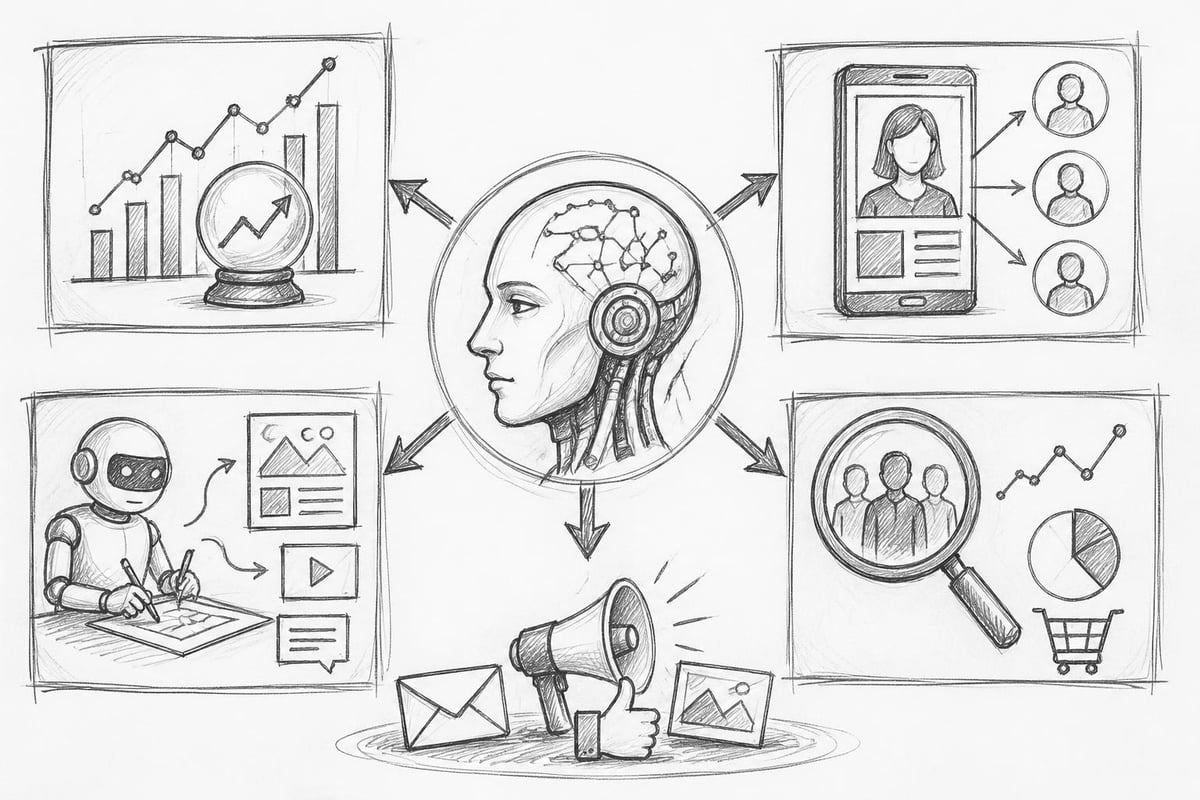
Technological advancement serves as the primary engine behind why digital marketing is growing so rapidly. Artificial intelligence, machine learning, and automation have evolved from experimental tools to essential infrastructure. The integration of AI techniques in digital marketing has fundamentally altered how businesses interact with consumers and measure campaign effectiveness.
Automation and Efficiency
Marketing automation platforms now handle tasks that previously required entire teams. Email sequences adjust based on user behaviour, social media posts schedule themselves optimally, and advertising budgets redistribute automatically towards high-performing channels. This efficiency means businesses achieve more with existing resources whilst accessing sophisticated capabilities previously reserved for enterprises with massive budgets.
Platforms like AdsRaw exemplify this shift, allowing businesses to create user-generated content style video advertisements using AI technology. What once required hiring multiple creators, coordinating filming sessions, and managing extensive post-production now happens in minutes. This democratisation accelerates growth across all business sizes.
| Technology | Impact on Growth | Adoption Rate |
|---|---|---|
| AI Personalisation | 43% conversion increase | 68% of marketers |
| Marketing Automation | 14% productivity gain | 75% of businesses |
| Predictive Analytics | 32% campaign improvement | 52% of enterprises |
| Chatbot Technology | 67% response time reduction | 58% customer service |
Channel Diversification and Expansion
Digital marketing is growing not just in volume but in complexity and channel variety. The rise of TikTok, the evolution of LinkedIn into a content powerhouse, and the emergence of new platforms create both opportunities and challenges for Australian businesses.
Video-First Revolution
The transformation towards video content represents one of the most significant growth drivers. Research into affiliate marketing trends confirms that video-first strategies now dominate successful campaigns. Short-form video content generates 2.5 times more engagement than static posts, whilst long-form educational content builds authority and trust.
For professional services and financial advisors, video solves a critical challenge: explaining complex offerings in accessible formats. An NDIS provider can demonstrate care approaches, whilst a trades business can showcase workmanship-all building confidence before initial contact.
Search Evolution
Search engine optimisation strategies continue evolving as Google and other platforms update algorithms quarterly. Voice search, visual search, and AI-generated search results change how businesses approach visibility. The focus shifts from keywords alone to comprehensive topic coverage, user intent matching, and experience optimisation.
Consumer Behaviour Shifts
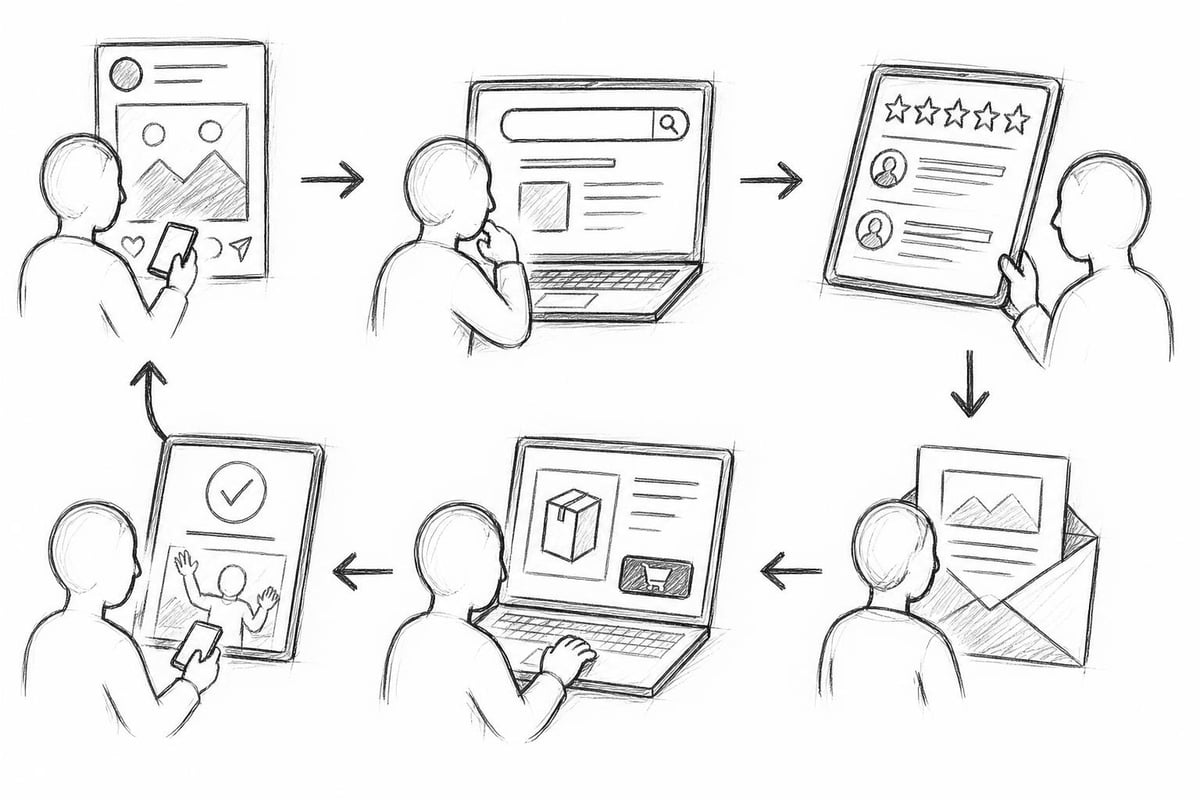
Understanding why digital marketing is growing requires examining how Australians research, evaluate, and purchase. The customer journey has fragmented across multiple touchpoints, with the average buyer engaging 8-12 pieces of content before making purchase decisions.
Modern consumer patterns include:
- Research independence: 73% complete most research before contacting businesses
- Review reliance: 91% read online reviews regularly
- Social proof seeking: 84% trust online testimonials as much as personal recommendations
- Mobile preference: 68% of searches occur on mobile devices
- Video expectations: 79% prefer watching videos over reading about products
These behaviours explain why establishing a strong online presence has become non-negotiable for Australian businesses across all sectors.
Industry-Specific Growth Patterns
Different sectors experience digital marketing growth through unique lenses. Professional services, trades, financial services, and healthcare sectors each face distinct opportunities as digital channels mature.
Professional Services Transformation
Accounting firms, legal practices, and consultancies historically relied on referrals and traditional networking. Digital channels now generate 45% of new client enquiries for progressive firms. Content marketing establishes expertise, whilst strategic planning in digital marketing aligns campaigns with business development goals.
Healthcare and Aged Care Digital Adoption
Retirement villages and aged care facilities face unique challenges communicating with multiple stakeholders: prospective residents, their families, and referral partners. Digital marketing addresses this complexity through segmented campaigns, educational content, and facility showcases that build confidence and trust.
The sector's digital maturity has accelerated dramatically since 2020, with facilities discovering that virtual tours, staff profiles, and care philosophy videos significantly shorten decision cycles whilst improving enquiry quality.
Trades and Local Service Providers
Electricians, plumbers, builders, and other trades businesses benefit enormously from local search growth. "Near me" searches increased 900% over five years, making visibility in local search results critical. Being found online through Google Business Profiles, local directories, and location-targeted advertising drives consistent enquiry flow.
Investment and ROI Considerations
As digital marketing is growing, so too are expectations around measurement and return on investment. Businesses demand accountability, requiring agencies and internal teams to demonstrate tangible results beyond vanity metrics.
| Investment Area | Average ROI | Measurement Period |
|---|---|---|
| Content Marketing | 3:1 | 6-12 months |
| Paid Search | 2:1 | 3-6 months |
| Social Media Ads | 2.5:1 | 3-9 months |
| Email Marketing | 42:1 | Ongoing |
| SEO | 5:1 | 6-18 months |
These returns explain why marketing budgets continue shifting digital. However, success requires understanding that different channels serve different purposes across the customer journey. Pay-per-click advertising delivers immediate visibility, whilst content marketing builds long-term authority.
The Data Advantage
Digital marketing growth correlates directly with data accessibility. Every interaction generates information that businesses can analyse, understand, and optimise. This feedback loop creates continuous improvement cycles impossible in traditional marketing.
Australian businesses now access:
- Real-time campaign performance metrics
- Customer behaviour patterns and preferences
- Conversion path analysis
- Audience demographic and psychographic data
- Competitive intelligence and market trends
However, challenges exist within digital advertising markets, including ad effect measurement complexities, market inefficiencies, and fraud concerns. Sophisticated businesses address these through diversified strategies, independent verification, and working with experienced partners who understand platform nuances.
Credibility Through Integrated Approaches
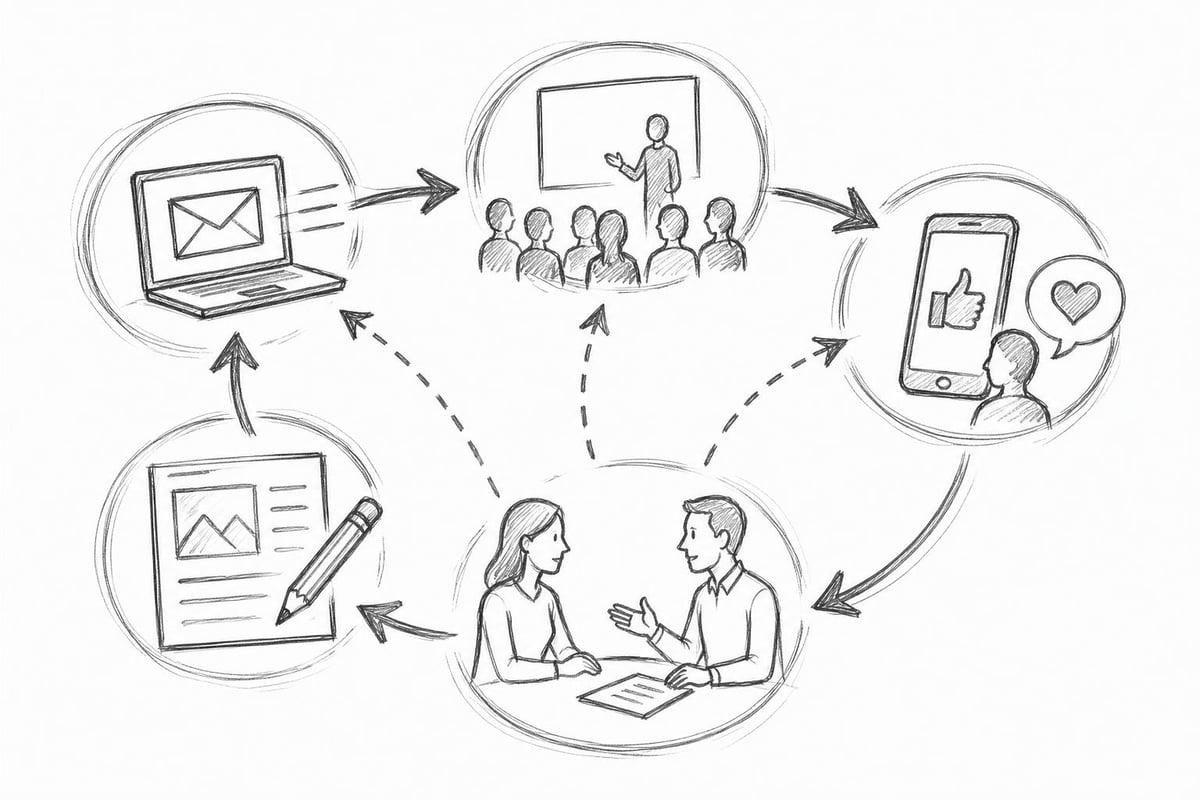
Whilst digital dominates, the most successful strategies integrate online and offline touchpoints. Research examining how companies build credibility through live events demonstrates that face-to-face interactions complement digital campaigns powerfully, particularly for high-value or complex offerings.
For Australian businesses, this might mean hosting client education seminars promoted through digital channels, attending industry conferences whilst live-streaming for broader audiences, or creating community events that generate content for ongoing digital campaigns.
Emerging Platforms and Opportunities
Digital marketing is growing into new territories beyond established platforms. Podcast advertising, streaming service placements, gaming environments, and emerging social platforms create fresh opportunities for early adopters.
Voice and Visual Search
Optimisation for voice assistants and visual search engines represents frontier territory. As Australians increasingly use Siri, Alexa, and Google Assistant for queries, businesses must adapt content for conversational search patterns. Visual search through Google Lens and similar technologies changes how products and services get discovered.
Privacy-First Marketing
Growing privacy concerns and regulatory changes reshape digital marketing approaches. Cookie deprecation, iOS privacy updates, and Australian privacy legislation push businesses towards first-party data strategies and permission-based marketing. Email lists become more valuable, whilst relationship building takes priority over impression volume.
Small Business Advantages
Remarkably, digital marketing is growing most beneficial for smaller businesses. The cost barriers that prevented local businesses from competing with larger competitors have largely disappeared. A well-executed digital strategy levels the playing field significantly.
Small business internet marketing achieves results through focus rather than budget size. Narrow geographic targeting, niche audience specification, and authentic storytelling often outperform generic campaigns from larger organisations with bigger budgets but less connection to local communities.
Strategic Implementation Essentials
Success in the expanding digital landscape requires strategic rather than reactive approaches. Businesses must understand their audiences deeply, select appropriate channels thoughtfully, and commit to consistent execution.
Critical success factors include:
- Clear objective definition aligned with business goals
- Audience research and persona development
- Channel selection based on customer behaviour
- Content strategy reflecting buyer journey stages
- Measurement frameworks establishing baseline and targets
- Regular optimisation based on performance data
- Team capability development or partnership with specialists
These fundamentals separate businesses achieving meaningful results from those simply maintaining digital presence without clear purpose or outcomes.
Tools and Technology Investment
As digital marketing is growing, so expands the ecosystem of digital marketing tools available to businesses. From comprehensive platforms managing entire marketing operations to specialised solutions addressing specific needs, technology selection significantly impacts capability and efficiency.
Investment priorities should align with strategic objectives rather than feature lists. A retirement village might prioritise CRM integration and email automation, whilst a trades business focuses on local search management and review generation. Understanding these distinctions prevents expensive misallocations toward impressive but ultimately unhelpful technology.
Future Trajectory and Preparation
Looking forward, digital marketing is growing in sophistication alongside continued expansion. Artificial intelligence will handle increasingly complex tasks, augmented reality will create immersive experiences, and personalisation will reach unprecedented levels. Australian businesses preparing for these advances position themselves advantageously.
The trajectory suggests continued growth across all digital channels, with particular acceleration in:
- AI-powered personalisation at scale
- Interactive and immersive content experiences
- Integrated commerce across multiple platforms
- Privacy-compliant data strategies
- Automation freeing human creativity for strategy
Businesses investing now in foundational digital capabilities create platforms for leveraging these emerging opportunities effectively.
The evidence overwhelmingly confirms that digital marketing is growing across every dimension-investment, capability, channels, and results. For Australian businesses from professional services to aged care facilities, understanding and acting on this growth determines competitive positioning and long-term viability. Whether you're strengthening your existing digital presence or building from scratch, partnering with experienced specialists accelerates results whilst avoiding costly missteps. My Heart Studio helps Adelaide and Australian businesses navigate this expanding landscape with tailored strategies, expert execution, and measurable outcomes that drive real business growth.