
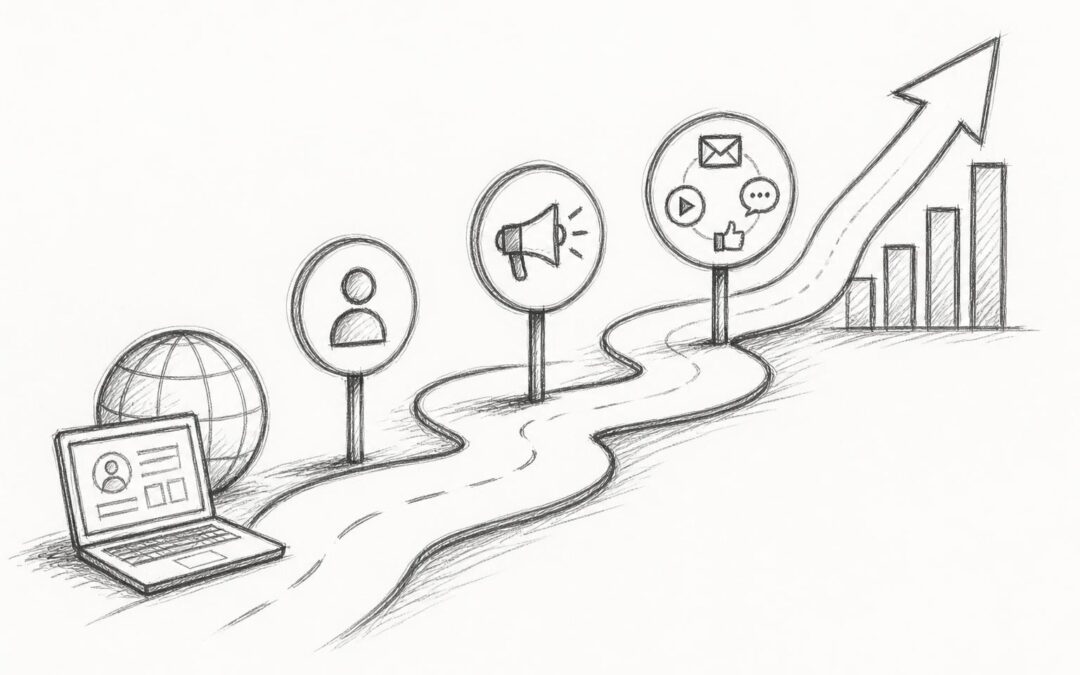
The digital landscape in 2026 presents unprecedented opportunities for Australian businesses to expand their reach, attract new customers, and increase revenue. Whether you're running a professional services firm, operating in the trades industry, or managing an aged care facility, the ability to grow your business online has become essential rather than optional. The businesses that thrive are those that embrace digital transformation strategically, combining compelling web presence with targeted marketing efforts that connect with their ideal customers where they spend their time.
Understanding Your Digital Foundation
Before implementing any growth tactics, you need a solid digital foundation that supports your business objectives. This starts with a professional website that accurately represents your brand and converts visitors into customers.
The Role of Strategic Web Design
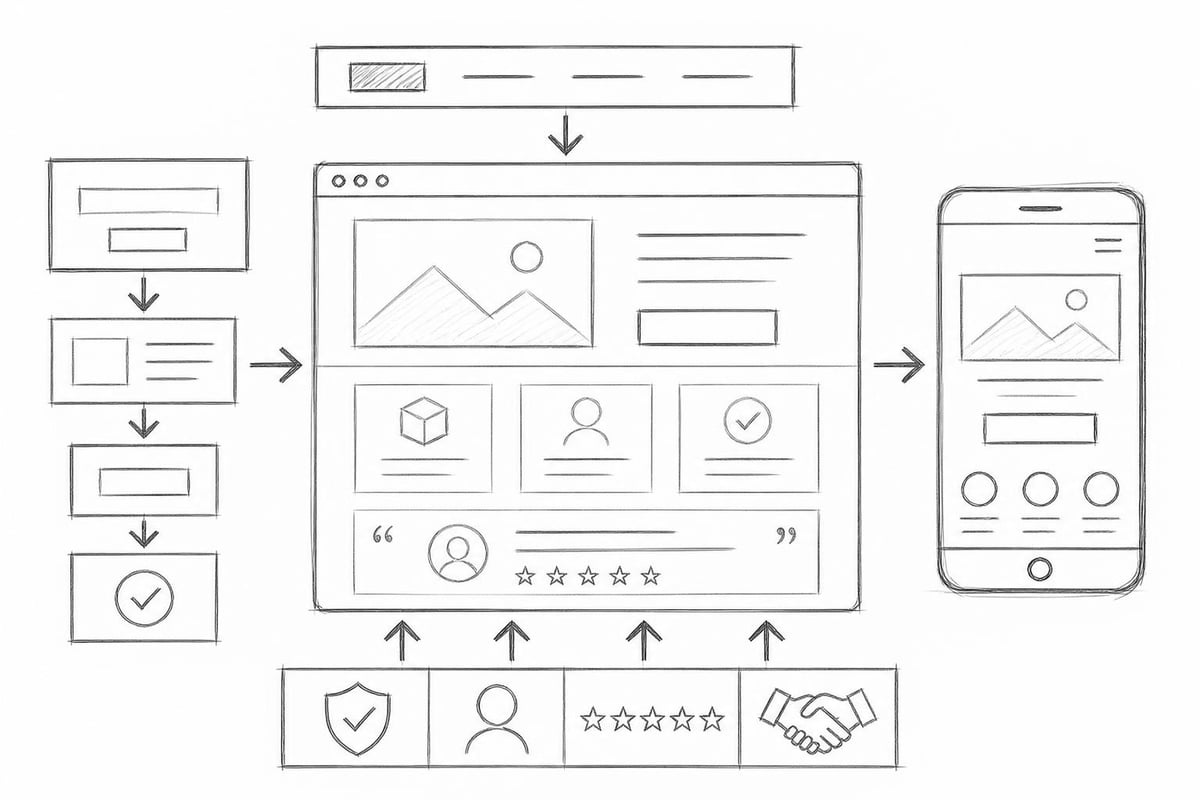
Your website serves as your digital shopfront, working around the clock to attract and engage potential clients. Professional web design goes beyond aesthetics-it encompasses user experience, loading speed, mobile responsiveness, and clear conversion pathways. Research shows that businesses with optimised websites consistently outperform competitors who neglect this critical asset.
Key elements of an effective business website include:
- Clear value proposition visible within three seconds
- Intuitive navigation that guides visitors toward desired actions
- Mobile-first design that works seamlessly across all devices
- Fast loading times (under three seconds)
- Strategic calls-to-action positioned throughout key pages
- Trust signals such as testimonials, case studies, and credentials
Think of your website as the hub of all your digital marketing activities. Every social media post, email campaign, and online advertisement should ultimately direct prospects back to this central platform where you control the entire experience.
Leveraging Search Engine Optimisation
The ability to grow your business online depends heavily on visibility in search results. When potential customers search for services you offer, your business needs to appear prominently in those results.
Building Organic Search Presence
Search engine optimisation represents one of the most cost-effective long-term strategies for digital growth. Unlike paid advertising that stops delivering results when you stop spending, SEO creates compounding returns over time. Understanding Google’s ranking factors helps businesses develop strategies that align with how search engines evaluate and rank content.
Working with experienced SEO professionals can accelerate your results significantly. These specialists understand the technical requirements, content strategies, and link-building approaches that drive sustainable rankings.
| SEO Component | Time to Impact | Ongoing Effort Required | Expected ROI |
|---|---|---|---|
| Technical SEO | 1-3 months | Low | High |
| Content Creation | 3-6 months | High | Very High |
| Link Building | 6-12 months | Medium | High |
| Local SEO | 1-4 months | Medium | Very High |
The timeline for SEO results varies based on competition levels and your starting position, but most businesses begin seeing meaningful improvements within three to six months of consistent effort.
Local Search Optimisation
For businesses serving specific geographic areas across Australia, local SEO becomes particularly crucial. This involves optimising your Google Business Profile, building local citations, and creating location-specific content that resonates with your community.
Local SEO priorities for 2026:
- Claim and fully optimise your Google Business Profile
- Collect and respond to customer reviews consistently
- Build citations on relevant Australian business directories
- Create location-specific service pages
- Develop content addressing local customer concerns
Professional services firms, trades businesses, and healthcare providers especially benefit from local search optimisation, as customers typically search for these services with geographic qualifiers.
Content Marketing That Converts
Content marketing remains one of the most effective ways to grow your business online by establishing authority, building trust, and attracting qualified leads. The businesses seeing the strongest results are those that view content not as a one-time project but as an ongoing strategic investment.
Developing Your Content Strategy
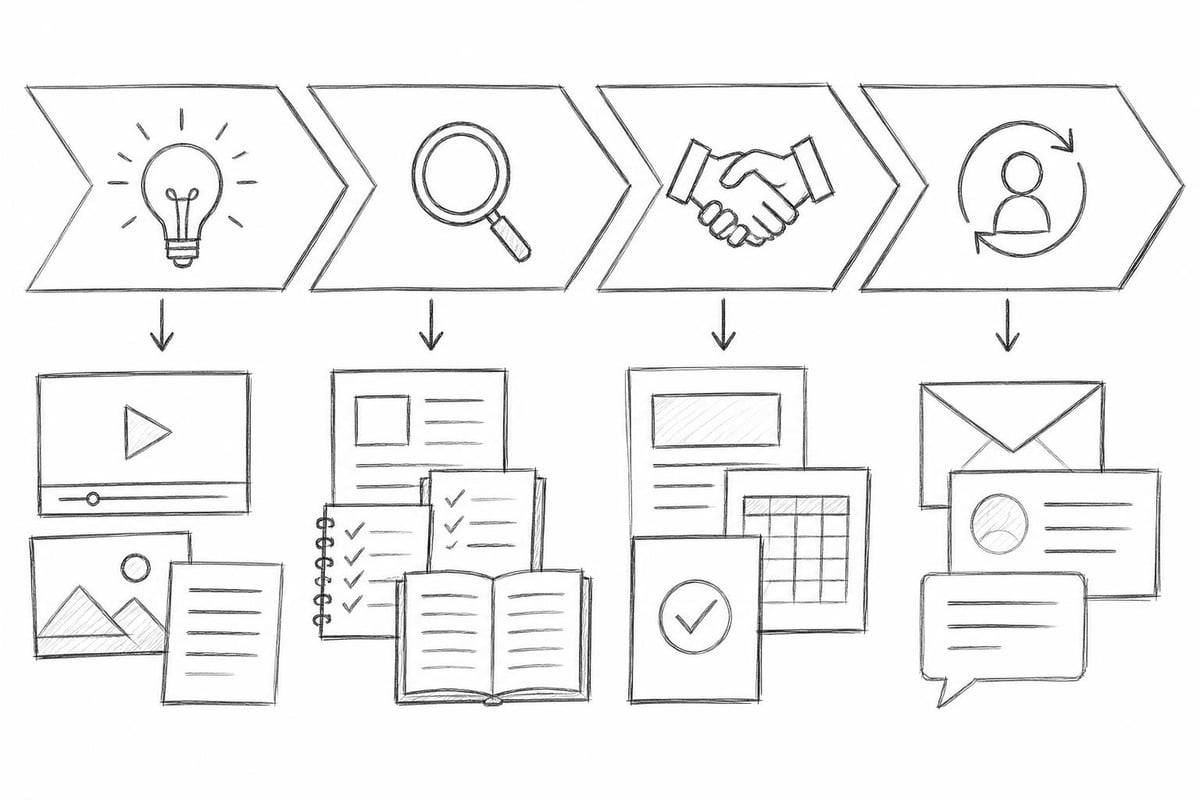
Effective content marketing starts with understanding your audience's questions, challenges, and information needs at different stages of their buying journey. Creating valuable resources that address these needs positions your business as a trusted advisor rather than just another service provider.
Comprehensive digital marketing services typically include content strategy development, ensuring your efforts align with business objectives and audience preferences. This strategic approach prevents the common mistake of creating content that doesn't actually move business metrics.
Consider the different content formats that serve various purposes:
- Blog articles that answer specific questions and rank for search terms
- Case studies demonstrating real results for clients
- Video content explaining complex concepts visually
- Downloadable resources that capture leads
- Email newsletters maintaining ongoing relationships
The key is consistency and quality over volume. Publishing one exceptional article monthly delivers better results than churning out mediocre content weekly.
Strategic Social Media Engagement
Social media platforms offer powerful opportunities to connect with your audience, but success requires strategy rather than simply maintaining presence everywhere. Different platforms serve different purposes and attract distinct audiences.
Choosing the Right Platforms
Not every business needs to be on every platform. Professional services firms often find LinkedIn most valuable, while trades businesses might see stronger results from Facebook and Instagram. Understanding where your target audience spends time helps you focus efforts effectively.
Platform selection criteria:
- Where your ideal customers actively engage
- Content formats that showcase your services effectively
- Resources available for consistent management
- Alignment with your brand voice and values
The businesses that grow their operations online through social media treat it as a relationship-building tool rather than a broadcasting channel. This means engaging in conversations, responding to comments, and providing value before asking for anything in return.
Creating Engaging Social Content
Your social media content should balance educational value, entertainment, and subtle promotion. The 80/20 rule still applies-80% of content should inform, educate, or entertain, while only 20% directly promotes your services.
Video content continues dominating social media engagement in 2026. Even simple videos recorded on smartphones outperform text-only posts when they provide genuine value. Behind-the-scenes content, quick tips, and client success stories all perform well across platforms.
Email Marketing for Retention and Growth
While attracting new customers matters, retaining existing clients and encouraging repeat business drives sustainable growth. Email marketing remains one of the highest-ROI channels for achieving this objective.
Building Your Email List
Growing a quality email list requires offering something valuable in exchange for contact information. This might include industry insights, helpful tools, exclusive content, or special offers. The key is ensuring whatever you offer genuinely helps your audience.
| Lead Magnet Type | Best For | Typical Conversion Rate |
|---|---|---|
| Industry Reports | Professional Services | 15-25% |
| Checklists/Templates | Trades & Technical | 20-30% |
| Video Trainings | All Industries | 10-20% |
| Discount Offers | Retail/E-commerce | 25-40% |
Once people join your list, consistent communication maintains the relationship. This doesn't mean daily emails, but it does require regular touchpoints that provide value and keep your business top-of-mind.
Segmentation and Personalisation
The most successful email marketing programs segment audiences based on interests, behaviours, or characteristics. This allows you to send highly relevant messages rather than generic broadcasts. A retirement village might segment by inquiry stage, while a trades business might segment by service type interest.
Personalisation extends beyond using someone's first name. It means understanding where they are in their customer journey and what information would be most helpful at that moment.
Paid Advertising for Accelerated Growth
While organic strategies build sustainable long-term results, paid advertising can accelerate growth and deliver immediate visibility. The key is viewing paid channels as complementary to organic efforts rather than replacements.
Google Ads for Intent-Based Marketing
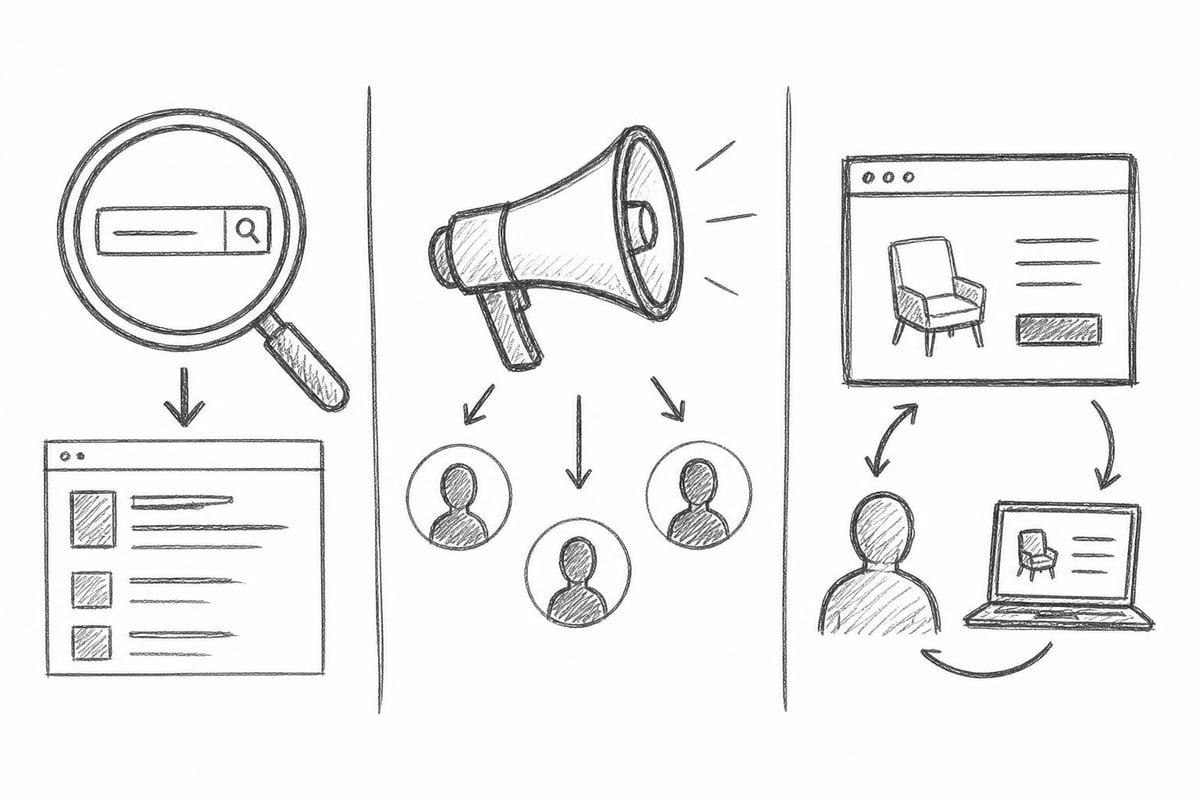
Google Ads allows you to appear for searches your ideal customers are making right now. This intent-based marketing delivers some of the highest conversion rates because you're reaching people actively seeking solutions.
Understanding how to grow your business through various marketing channels helps you allocate budgets effectively. Google Ads works particularly well for professional services, emergency trades work, and time-sensitive needs.
Google Ads campaign types to consider:
- Search campaigns targeting service-specific keywords
- Local Services Ads for trades and professional services
- Display campaigns for brand awareness
- Remarketing to people who visited your website
- Performance Max campaigns leveraging automation
The businesses seeing the best ROI from Google Ads combine compelling ad copy, relevant landing pages, and ongoing optimisation based on performance data.
Social Media Advertising
Platforms like Facebook, Instagram, and LinkedIn offer sophisticated targeting options that help you reach specific demographics, interests, and behaviours. These work particularly well for building awareness and consideration rather than capturing immediate demand.
The ability to show visual content makes social advertising ideal for businesses where seeing the end result matters. Aged care facilities might showcase their environments, while trades businesses can display completed projects.
Analytics and Continuous Improvement
The businesses that most effectively grow their operations online treat digital marketing as an evolving practice rather than a set-it-and-forget-it implementation. This requires measuring results, analysing data, and making informed adjustments.
Tracking the Right Metrics
Not all metrics matter equally. Vanity metrics like social media followers or website visitors might feel good but don't necessarily correlate with business growth. Focus instead on metrics tied to business objectives.
Essential metrics to monitor:
- Conversion rate from visitor to lead
- Cost per acquisition across channels
- Customer lifetime value
- Revenue attributed to digital channels
- Return on investment for paid campaigns
- Organic search rankings for target keywords
Tools like Google Analytics, Google Search Console, and platform-specific analytics provide the data needed to make informed decisions. The challenge isn't accessing data but interpreting it correctly and taking action based on insights.
Testing and Optimisation
Continuous improvement comes from systematic testing of different approaches. This might mean A/B testing email subject lines, trying different ad creative variations, or testing various calls-to-action on your website.
The businesses achieving the strongest results maintain a testing calendar that systematically explores improvements across their digital presence. Even small optimisation wins compound over time into significant performance improvements.
Developing Digital Products and Alternative Revenue Streams
Forward-thinking businesses are exploring ways to grow beyond traditional service delivery. Digital products offer scalable revenue opportunities that don't require trading time for money.
For businesses with specialised knowledge, platforms like CreateSell provide frameworks for transitioning expertise into digital products. This might include online courses, templates, software tools, or membership communities that serve your audience's needs.
Creating Valuable Digital Offerings
The key to successful digital products lies in solving specific problems your audience faces. Professional services firms might create templates or frameworks clients can implement themselves. Healthcare providers could develop educational programs that complement their services.
Digital product opportunities by industry:
- Professional Services: Templates, frameworks, training courses
- Trades: DIY guides, maintenance checklists, planning tools
- Healthcare: Wellness programs, educational content, support communities
- Financial Services: Planning calculators, educational workshops, resource libraries
These digital offerings serve dual purposes-generating revenue and establishing authority in your field. They also create entry points for clients who might later engage your core services.
Building Strategic Partnerships
Growing your business online doesn't happen in isolation. Strategic partnerships amplify your reach and create mutual value. This might include collaboration with complementary service providers, guest posting on industry blogs, or co-marketing initiatives.
Exploring valuable business resources helps identify potential partnership opportunities and platforms where your expertise might be featured. These collaborations expose your business to new audiences while building credibility through association.
Influencer and Authority Partnerships
In 2026, influencer partnerships extend beyond consumer brands. Professional services firms partner with industry thought leaders, trades businesses collaborate with home improvement content creators, and healthcare providers work with wellness advocates.
The most effective partnerships feel natural and provide genuine value to all parties, including the audience. Forced collaborations that exist purely for promotional purposes rarely deliver meaningful results.
Automation and Efficiency
As your digital presence grows, automation becomes essential for maintaining consistency without overwhelming your team. Marketing automation tools handle repetitive tasks, allowing you to focus on strategy and relationship building.
Marketing Automation Opportunities
Modern marketing platforms enable sophisticated automation that personalises experiences at scale. This might include email sequences triggered by specific actions, chatbots handling common questions, or social media scheduling tools maintaining consistent presence.
High-impact automation implementations:
- Welcome sequences for new email subscribers
- Lead nurturing workflows based on interests
- Abandoned cart or inquiry follow-ups
- Birthday or anniversary communications
- Re-engagement campaigns for inactive contacts
The goal isn't replacing human connection but enhancing it by ensuring timely, relevant communication at every touchpoint. Staying informed about digital marketing trends helps you implement automation strategies that align with current best practices.
Integration and Consistency
The most successful digital growth strategies integrate multiple channels that reinforce each other. Your blog content gets shared on social media, promoted through email, and potentially amplified through paid advertising. Your website captures leads from all sources and nurtures them through automated sequences.
This integrated approach requires consistent messaging and branding across all touchpoints. Your website, social profiles, email communications, and advertising should all reflect the same brand voice, values, and visual identity.
Creating Your Implementation Plan
With so many opportunities to grow your business online, the challenge becomes prioritisation. Start with foundational elements-a professional website and basic SEO-then layer in additional channels based on where your audience engages and what aligns with your resources.
A phased approach prevents overwhelm while building momentum. Month one might focus on website optimisation, month two on content creation, month three on social media presence, and so forth. This systematic implementation creates sustainable growth rather than unsustainable bursts of activity.
Growing your business online requires strategic thinking, consistent effort, and expertise across multiple digital disciplines. The businesses achieving the strongest results combine compelling web presence, search visibility, valuable content, and targeted promotion into integrated strategies that deliver measurable outcomes. If you're ready to expand your digital footprint and attract more customers online, My Heart Studio brings deep expertise in web design, SEO, and digital marketing to businesses across Australia-from professional services and trades to aged care facilities and NDIS providers. Let's develop a customised digital strategy that drives real growth for your business.