
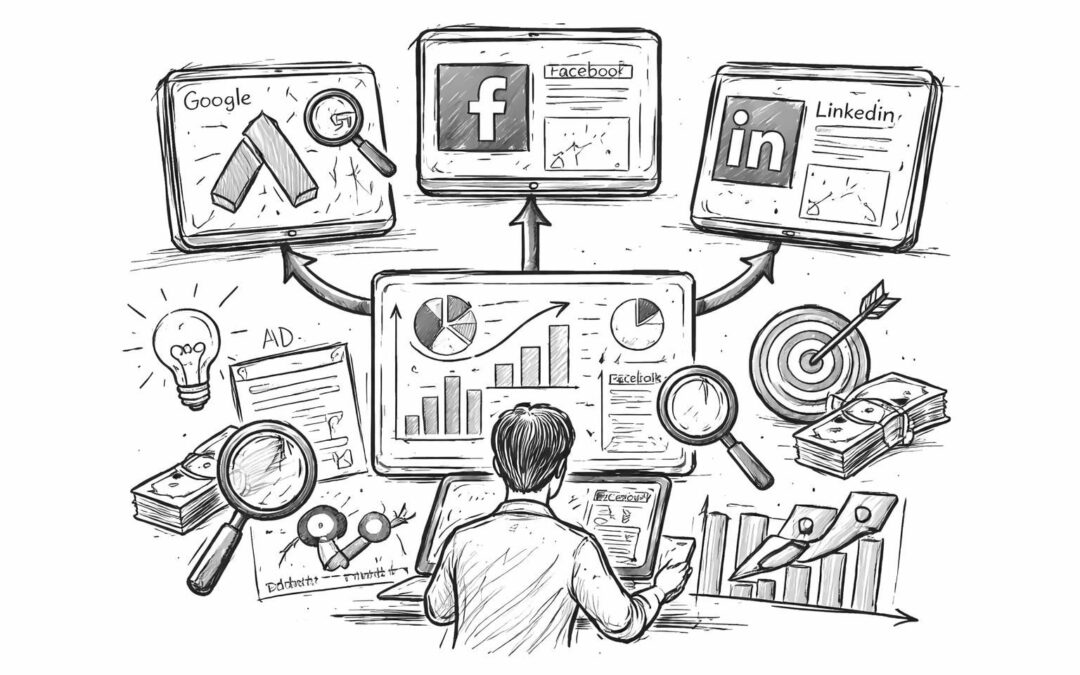
The digital advertising landscape continues to evolve at a rapid pace, and businesses across Australia are increasingly turning to specialist agencies to navigate the complexities of paid advertising. Pay per click agencies have become essential partners for organisations seeking to maximise their return on investment whilst managing the technical demands of modern advertising platforms. These specialist firms bring expertise, technology, and strategic insight that help businesses compete effectively in crowded online markets, particularly in sectors such as professional services, aged care, and NDIS provision.
Understanding the Role of Pay Per Click Agencies
Pay per click agencies specialise in creating, managing, and optimising advertising campaigns where businesses pay only when users click on their advertisements. This advertising model has become the foundation of digital marketing across platforms including Google Ads, Microsoft Advertising, Facebook, LinkedIn, and numerous other channels.
These agencies employ certified specialists who understand the nuances of each platform, from search ads that appear when prospects actively seek solutions to display campaigns that build brand awareness across the web. The complexity of modern PPC management extends far beyond simply setting up advertisements.
Core Services Provided
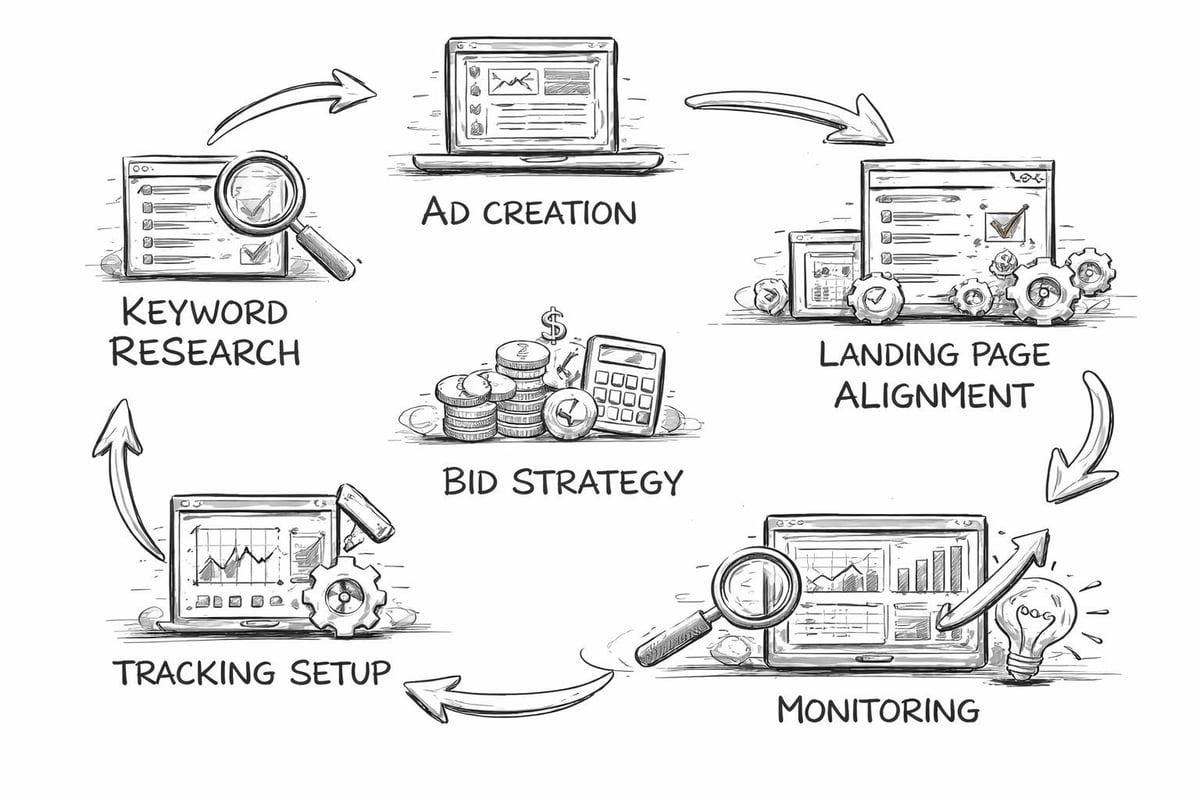
Specialist agencies deliver comprehensive campaign management that encompasses multiple disciplines:
- Keyword research and selection using advanced tools to identify high-value search terms
- Ad copy creation and testing to improve click-through rates and engagement
- Landing page optimisation ensuring visitors convert after clicking
- Bid management strategies that balance cost control with campaign performance
- Performance tracking and reporting providing transparent insights into campaign results
- Conversion tracking implementation to measure actual business outcomes
The technical expertise required has grown substantially as platforms introduce sophisticated features like automated bidding strategies and machine learning capabilities.
Market Trends Shaping PPC Agency Services
The PPC market continues to expand with businesses allocating increasing portions of their marketing budgets to paid digital channels. Australian businesses are participating in this growth as they recognise the immediate visibility and measurable results that PPC delivers.
Current data shows significant shifts in how campaigns are structured and managed. Mobile devices now account for the majority of paid clicks in many industries, requiring agencies to adopt mobile-first strategies. Voice search is changing keyword targeting approaches, whilst privacy regulations are transforming how conversion tracking operates.
Platform Diversification
Pay per click agencies now manage campaigns across an expanding ecosystem of platforms:
- Search advertising through Google Ads and Microsoft Advertising for intent-based targeting
- Social media advertising on Facebook, Instagram, LinkedIn, and emerging platforms
- Display advertising across vast networks of publisher websites
- Video advertising particularly on YouTube and social platforms
- Shopping campaigns for eCommerce and product-based businesses
- Local service ads connecting businesses with nearby customers
The strategic allocation of budget across these channels requires deep understanding of audience behaviour and platform capabilities. Professional services firms might prioritise LinkedIn and Google Search, whilst aged care facilities could find success with Facebook and display remarketing.
Selecting the Right Agency for Your Business
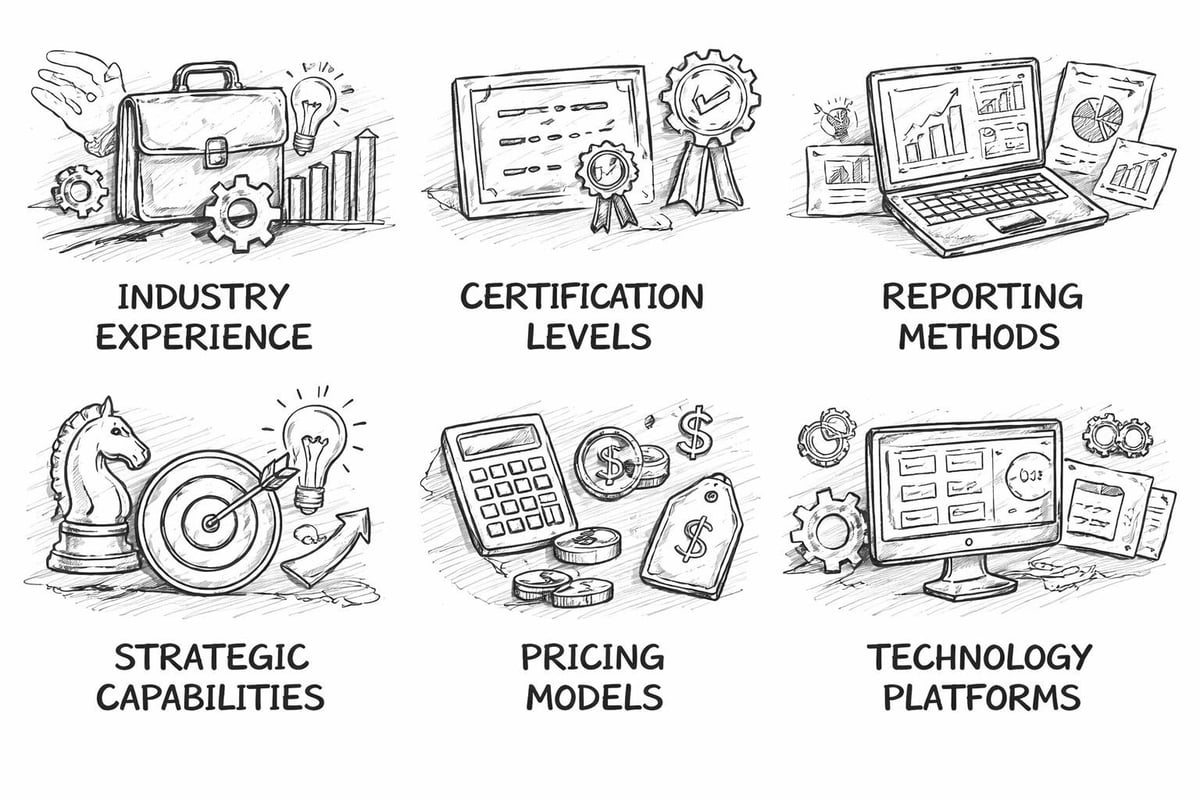
Choosing amongst pay per click agencies requires careful evaluation of several factors that directly impact campaign success. Not all agencies offer the same level of service or specialisation, making due diligence essential.
Begin by examining the agency's experience within your specific industry. Agencies familiar with aged care marketing understand compliance requirements and audience demographics differently than those focused on retail. Similarly, NDIS providers benefit from agencies who comprehend the unique service delivery models and funding structures.
Evaluation Criteria
| Factor | What to Look For | Why It Matters |
|---|---|---|
| Certifications | Google Partner status, Microsoft Advertising certification | Demonstrates platform expertise and access to support |
| Track Record | Case studies from similar industries | Proves ability to deliver results in your sector |
| Reporting Transparency | Clear, regular performance reports | Ensures you understand campaign performance |
| Strategic Approach | Customised strategies vs. template solutions | Impacts campaign relevance and effectiveness |
| Technology Stack | Tools for tracking, optimisation, and reporting | Affects efficiency and insight quality |
Request detailed proposals that outline not just costs but strategic approaches. The cheapest option rarely delivers the best value when campaign performance is measured against business objectives.
Investment Structures and Pricing Models
Pay per click agencies typically employ several pricing structures, each with distinct advantages depending on your business circumstances and campaign requirements. Understanding these models helps you evaluate proposals and manage budgets effectively.
Percentage of ad spend represents the most common model, where agencies charge 10-20% of your monthly advertising expenditure. This aligns agency incentives with campaign growth but can become expensive as budgets scale.
Flat monthly retainers provide predictable costs regardless of ad spend fluctuations. This suits businesses with established budgets seeking consistency in their expenses. Retainers typically range from $1,500 to $10,000+ monthly depending on campaign complexity.
Performance-based fees tie agency compensation to specific outcomes like leads generated or sales completed. Whilst this appears to align interests perfectly, defining fair metrics and attribution windows requires careful negotiation.
Budget Allocation Considerations
Beyond agency fees, businesses must allocate substantial budgets to the advertising platforms themselves. Current PPC statistics indicate competitive industries require significant investment to achieve visibility.
- Professional services: $2,000-$8,000 monthly ad spend
- Aged care facilities: $3,000-$12,000 monthly ad spend
- NDIS providers: $2,500-$10,000 monthly ad spend
- Financial services: $5,000-$20,000+ monthly ad spend
These figures represent starting points; actual requirements depend on competition levels, geographic targeting, and conversion value.
Campaign Strategy Development
Effective pay per click agencies begin engagements with comprehensive strategy development rather than immediately launching campaigns. This foundation ensures all tactical decisions support overarching business objectives.
Strategic planning starts with understanding your customer journey. How do prospects research solutions? What information do they need before contacting you? Where are they in their buying process when they click your advertisements?
Audience Segmentation
Sophisticated campaigns target different audience segments with tailored messaging:
- Search intent segmentation distinguishing between informational and transactional searches
- Geographic targeting focusing on serviceable areas or locations with specific characteristics
- Demographic filtering when age, income, or household composition impacts relevance
- Remarketing audiences re-engaging previous website visitors with contextual messaging
- Customer match campaigns targeting existing contact lists with specific offers
Each segment requires distinct ad creative, landing pages, and bid strategies. Agencies coordinate these elements whilst maintaining consistent brand messaging across touchpoints.
The integration between PPC and other digital marketing services amplifies overall effectiveness, with paid campaigns supporting organic search efforts and content marketing initiatives.
Performance Measurement and Optimisation
Distinguished pay per click agencies implement rigorous measurement frameworks that extend beyond platform metrics to business outcomes. Whilst click-through rates and cost-per-click provide operational insights, conversion rates and customer acquisition costs determine campaign viability.
Key Performance Indicators
| Metric | Definition | Target Benchmark |
|---|---|---|
| Click-Through Rate | Percentage of impressions that generate clicks | 2-5% for search ads |
| Cost Per Click | Average cost for each click received | Varies by industry |
| Conversion Rate | Percentage of clicks that complete desired actions | 2-10% depending on industry |
| Cost Per Acquisition | Total cost to acquire one customer | Must be lower than customer lifetime value |
| Return on Ad Spend | Revenue generated per dollar spent | Minimum 3:1 for most businesses |
Professional agencies establish these benchmarks during strategy development and monitor performance against targets through detailed reporting processes.
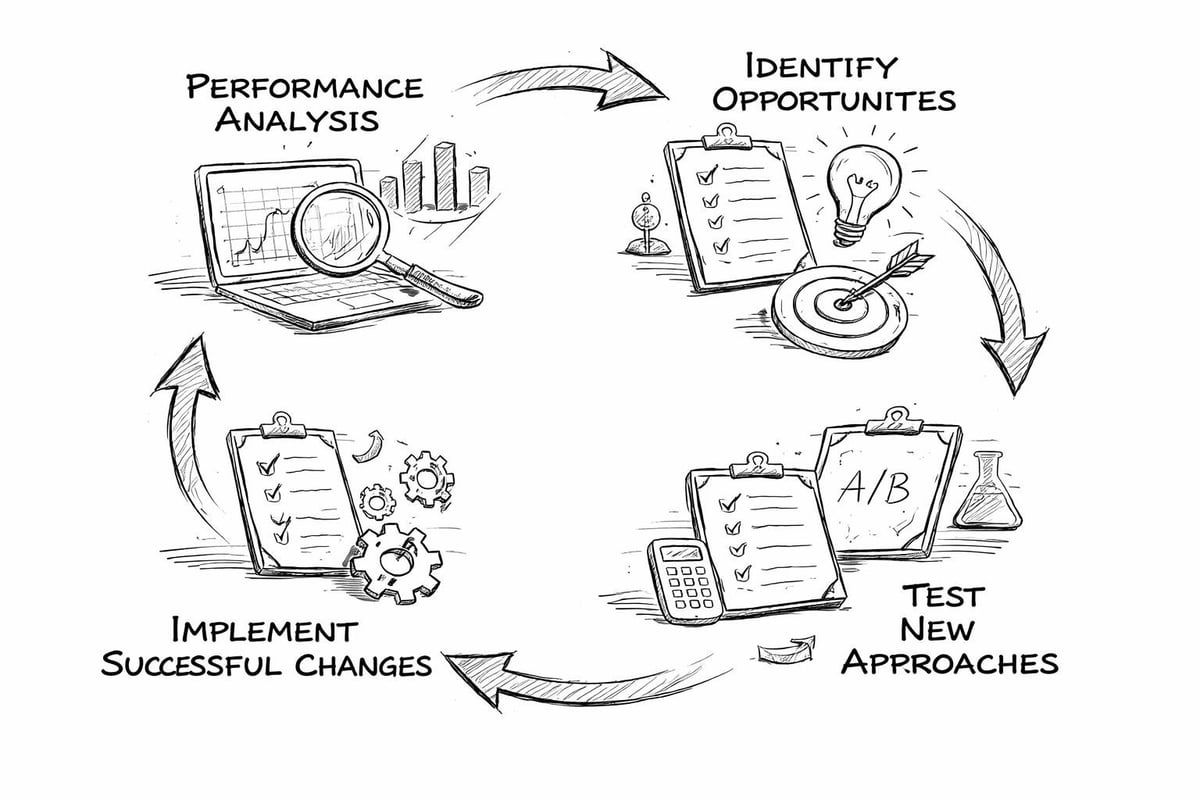
Continuous optimisation represents perhaps the most valuable service agencies provide. Markets shift, competitors adjust strategies, and platform algorithms evolve. Monthly or bi-weekly optimisation cycles ensure campaigns adapt to these changes.
Industry-Specific Considerations
Different sectors face unique challenges and opportunities within paid advertising channels. Pay per click agencies with relevant experience navigate these nuances more effectively than generalist providers.
Professional services require campaigns that establish credibility and expertise whilst targeting high-value clients. Legal practices, accounting firms, and consultancies benefit from LinkedIn advertising combined with search campaigns targeting specific service queries. Ad copy must balance professionalism with differentiation.
Aged care facilities face extended decision cycles and multiple stakeholders. Family members researching options for elderly relatives respond to empathetic messaging that addresses concerns about quality, location, and specialised care capabilities. Display remarketing keeps facilities top-of-mind during lengthy consideration periods.
NDIS providers navigate complex funding models and diverse service categories. Campaigns must target both participants and plan managers with clear information about available supports, qualifications, and registration status. Geographic targeting ensures campaigns reach serviceable areas efficiently.
Compliance and Regulatory Requirements
Regulated industries demand agencies who understand advertising restrictions and approval processes. Healthcare marketing faces particular scrutiny around claims and testimonials. Financial services must adhere to responsible lending messaging requirements.
Experienced agencies incorporate compliance reviews into their creative development processes, preventing delays and potential regulatory issues. This expertise proves particularly valuable for businesses entering paid advertising for the first time.
Technology and Automation in Modern PPC
The sophistication of advertising platforms has increased dramatically, with artificial intelligence and machine learning now central to campaign management. Pay per click agencies leverage these capabilities whilst maintaining strategic oversight that technology alone cannot provide.
Smart bidding strategies use historical performance data to automatically adjust bids in real-time based on conversion likelihood. Target CPA bidding aims to acquire customers at specified costs, whilst Target ROAS focuses on achieving defined return ratios. These automated approaches excel when provided with sufficient conversion data and clear performance parameters.
Agency Technology Stack
Professional agencies supplement platform features with specialised tools:
- Bid management software for sophisticated cross-platform optimisation
- Call tracking systems attributing phone enquiries to specific campaigns and keywords
- Heat mapping tools revealing how landing page visitors interact with content
- Competitor intelligence platforms monitoring rival advertising strategies and spend levels
- Attribution modelling software understanding multi-touch customer journeys
The investment in these technologies provides capabilities beyond what individual businesses could economically access. When evaluating agencies, understanding their technology stack reveals their commitment to data-driven optimisation.
Integration with Broader Marketing Strategies
Isolated PPC campaigns deliver limited value compared to integrated approaches where paid advertising supports and amplifies other marketing initiatives. Strategic agencies position PPC within comprehensive digital advertising frameworks.
Search campaigns and SEO work synergistically when coordinated effectively. PPC provides immediate visibility for keywords whilst organic rankings develop. Keyword data from paid campaigns informs content strategy, whilst high-performing organic content suggests additional paid opportunities.
Website design significantly impacts PPC effectiveness through landing page performance. Fast-loading, mobile-optimised pages with clear calls-to-action convert clicks into customers more efficiently. Agencies that understand this relationship advocate for web design improvements that enhance overall marketing ROI.
Content marketing benefits from paid promotion that extends reach beyond organic channels. High-value content pieces like guides, calculators, or assessment tools attract qualified prospects when amplified through targeted advertising.
Common Pitfalls and How Agencies Prevent Them
Businesses managing PPC internally or working with inexperienced providers frequently encounter preventable issues that waste budget and limit results. Understanding these pitfalls explains the value professional agencies deliver.
Broad match keywords without negative lists generate irrelevant clicks that consume budget without producing conversions. Agencies implement comprehensive negative keyword strategies from campaign launch and continuously expand these lists based on search term reports.
Ignoring mobile experience costs conversions as device performance varies significantly. Mobile users exhibit different behaviours and expectations requiring tailored landing experiences.
Set-and-forget campaign management allows performance to degrade as market conditions shift. Regular optimisation identifies declining keywords, tests new ad variations, and adjusts targeting parameters.
Budget Wastage Prevention
| Common Mistake | Business Impact | Agency Prevention |
|---|---|---|
| No conversion tracking | Cannot measure ROI or optimise | Implement comprehensive tracking before launch |
| Geographic targeting errors | Wasted spend outside service areas | Precise location settings with regular audits |
| Ad schedule misalignment | Ads showing when unable to respond | Match ad delivery to business hours and capacity |
| Poor quality scores | Higher costs for same positions | Optimise ad relevance and landing page experience |
These operational details separate successful campaigns from expensive disappointments. Professional management prevents issues before they impact budgets.
Future Developments in PPC Management
The advertising technology landscape continues evolving rapidly, with several trends shaping how pay per click agencies will operate in coming years. Businesses benefit from agencies that anticipate and adapt to these changes proactively.
Privacy-focused tracking replaces third-party cookies with first-party data collection and platform-specific attribution. Agencies help businesses build direct customer relationships and leverage platform conversion APIs for accurate measurement.
Artificial intelligence expands beyond bidding into creative development and audience targeting. Responsive search ads use machine learning to test combinations and surface top performers. Agencies guide strategic parameters whilst AI handles tactical optimisation.
Video and interactive formats grow in importance as user preferences shift toward richer media experiences. Agencies with multimedia capabilities help businesses create engaging content optimised for paid distribution.
Preparing for Platform Changes
Major platforms release hundreds of updates annually, some significantly impacting campaign performance. Professional agencies monitor beta features, participate in platform education, and adapt strategies as capabilities evolve. This forward-looking approach ensures campaigns leverage latest opportunities rather than being disrupted by changes.
Best Practices for Client-Agency Collaboration
Successful relationships between businesses and pay per click agencies require active collaboration rather than passive delegation. Both parties contribute to optimal outcomes through clear communication and aligned expectations.
Define clear success metrics before campaigns launch. What constitutes success? How many leads justify the investment? What customer acquisition cost maintains profitability? These parameters guide strategic decisions and prevent misaligned expectations.
Provide market intelligence that agencies cannot access independently. Which services drive highest margins? What seasonal patterns affect demand? Which customer segments convert most readily? This context enables more strategic targeting and messaging.
Maintain regular communication through scheduled reviews and ad-hoc updates. Monthly performance reviews should examine trends, discuss optimisation priorities, and align on budget adjustments. Quick responses to agency queries prevent delays in campaign improvements.
Realistic Timeline Expectations
Understanding PPC fundamentals helps businesses appreciate required timeframes:
- Setup phase (2-4 weeks) covering strategy, account structure, creative development, and tracking implementation
- Learning period (4-8 weeks) as platform algorithms gather performance data and optimise delivery
- Maturity phase (3+ months) when sufficient data enables sophisticated optimisation and strategic refinement
Businesses expecting immediate results often abandon campaigns before they achieve full potential. Patient collaboration with clear milestone tracking yields better outcomes than premature strategy pivots.
Specialist Expertise vs. Generalist Approaches
The decision between specialist pay per click agencies and full-service marketing providers involves trade-offs worth considering carefully. Each model offers distinct advantages depending on business circumstances.
Specialist PPC agencies focus exclusively on paid advertising, developing deep platform expertise and relationships with platform representatives. Their entire infrastructure supports PPC management, from team training to technology investments. This specialisation delivers sophisticated campaign management particularly valuable for businesses with substantial advertising budgets.
Full-service agencies, like Adelaide-based firms serving diverse Australian businesses, integrate PPC within comprehensive marketing strategies. This holistic approach ensures paid advertising aligns with content marketing, SEO, social media, and broader business objectives. The coordination across disciplines prevents silos and creates synergistic effects.
When Specialisation Matters Most
- Complex campaign structures spanning multiple platforms and audience segments
- Large advertising budgets requiring sophisticated optimisation and bid management
- Highly competitive industries where marginal improvements significantly impact results
- Performance marketing focus where paid advertising drives primary customer acquisition
When Integration Delivers Greater Value
- Developing digital presence requiring coordination across multiple marketing channels
- Limited internal marketing resources benefiting from single-agency relationships
- Brand-building objectives extending beyond immediate conversion goals
- Service businesses where reputation, content, and paid visibility combine to drive enquiries
For businesses in sectors like aged care, professional services, or NDIS provision, integrated approaches often deliver superior results by aligning all digital touchpoints toward common objectives.
Effective paid advertising requires specialised knowledge, continuous optimisation, and strategic alignment with broader business goals. Whether you choose specialist providers or integrated agencies, success depends on selecting partners with relevant experience and proven capabilities in your industry. My Heart Studio combines PPC expertise with comprehensive digital marketing services, helping Australian businesses across professional services, aged care, financial services, and NDIS sectors develop integrated strategies that drive measurable growth. Connect with our Adelaide-based team to explore how strategic paid advertising can accelerate your business objectives.