
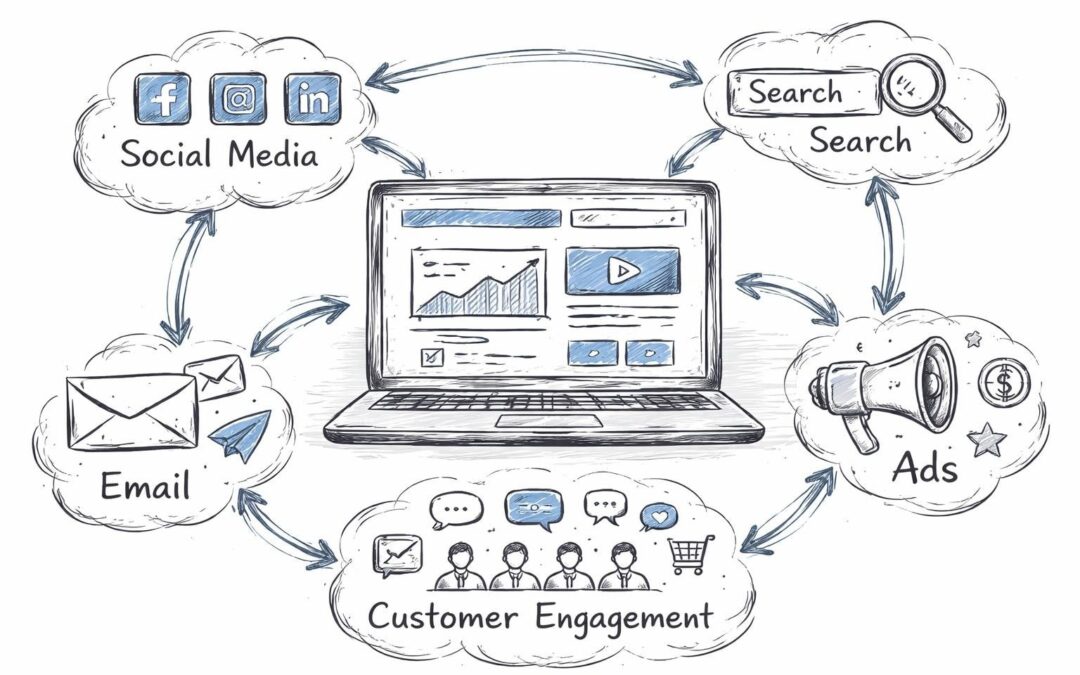
Small business internet marketing has become the cornerstone of commercial success in 2026, particularly for Australian businesses seeking to expand their reach beyond traditional geographic boundaries. With digital channels offering unprecedented opportunities for customer engagement and brand visibility, mastering online marketing strategies is no longer optional but essential for survival and growth. The landscape continues to evolve rapidly, presenting both challenges and opportunities for businesses across professional services, trades, financial services, and specialised sectors such as aged care and retirement villages.
Understanding the Digital Marketing Landscape for Small Businesses
The current state of small business marketing statistics reveals that Australian businesses are increasingly allocating larger portions of their budgets to digital initiatives. This shift reflects changing consumer behaviour, with potential customers spending more time researching products and services online before making purchasing decisions.
Small business internet marketing encompasses multiple channels working together to create a cohesive strategy. Search engine optimisation, social media engagement, content creation, email marketing, and paid advertising form the foundation of most successful campaigns. However, the key lies not in implementing all these tactics simultaneously but in selecting the right combination for your specific business objectives and target audience.
The Importance of an Integrated Approach
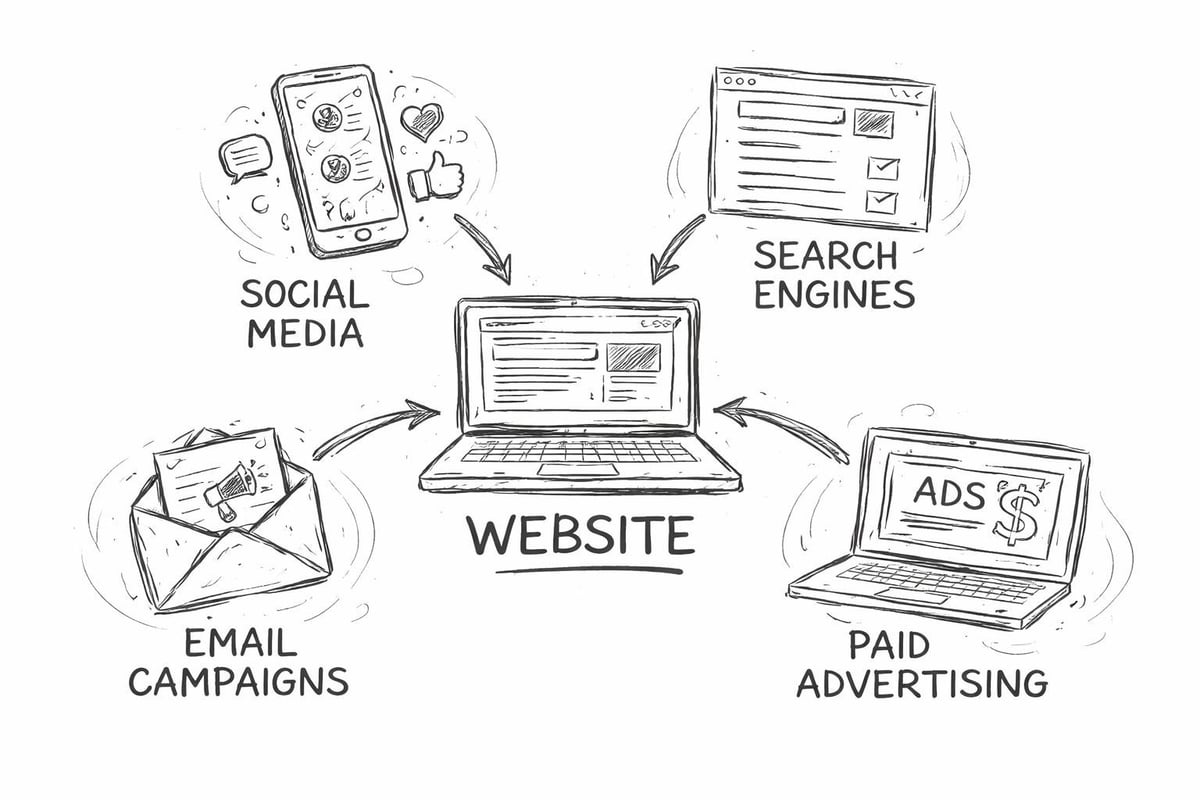
Many business owners make the mistake of treating digital marketing channels as separate entities. A truly effective small business internet marketing strategy recognises how these elements interconnect:
- Website serves as the central hub for all digital activities
- Social media drives traffic and builds community engagement
- Email marketing nurtures relationships and encourages repeat business
- Paid advertising accelerates visibility and lead generation
- Content marketing establishes authority and improves organic search rankings
The most successful businesses understand that digital marketing requires consistent effort across multiple platforms, with each channel reinforcing the others.
Building a Strong Foundation with Website Design
Your website represents the digital shopfront for your business, making professional web design critical to small business internet marketing success. According to web design best practices, accessibility, user experience, and visual consistency significantly impact conversion rates and customer perception.
Mobile responsiveness stands as a non-negotiable requirement in 2026. With the majority of searches occurring on mobile devices, websites must deliver seamless experiences across all screen sizes. Page loading speed, intuitive navigation, and clear calls-to-action determine whether visitors become customers or abandon your site within seconds.
Consider these essential website elements:
| Element | Purpose | Impact |
|---|---|---|
| Clear value proposition | Communicates what you offer | Immediate understanding |
| Contact information | Enables customer connection | Builds trust and accessibility |
| Service descriptions | Details your offerings | Educates potential clients |
| Testimonials | Provides social proof | Increases credibility |
| Blog content | Demonstrates expertise | Improves SEO performance |
Professional services firms and trades businesses particularly benefit from showcasing completed projects and client testimonials. Financial services organisations must prioritise security credentials and compliance information to build trust with potential clients.
Optimising for Search Engines
Search engine optimisation forms the backbone of sustainable small business internet marketing. Unlike paid advertising that stops generating results when budgets expire, SEO builds long-term visibility and organic traffic.
Effective SEO strategies in 2026 focus on user intent and content quality rather than keyword stuffing. Google's algorithms have become increasingly sophisticated at understanding context and delivering relevant results. This means creating genuinely helpful content that answers customer questions and solves their problems.
Local SEO deserves special attention for small businesses serving specific geographic areas. Claiming and optimising your Google Business Profile, gathering customer reviews, and ensuring consistent business information across online directories can dramatically improve local search visibility.
Leveraging Content Marketing for Authority and Engagement
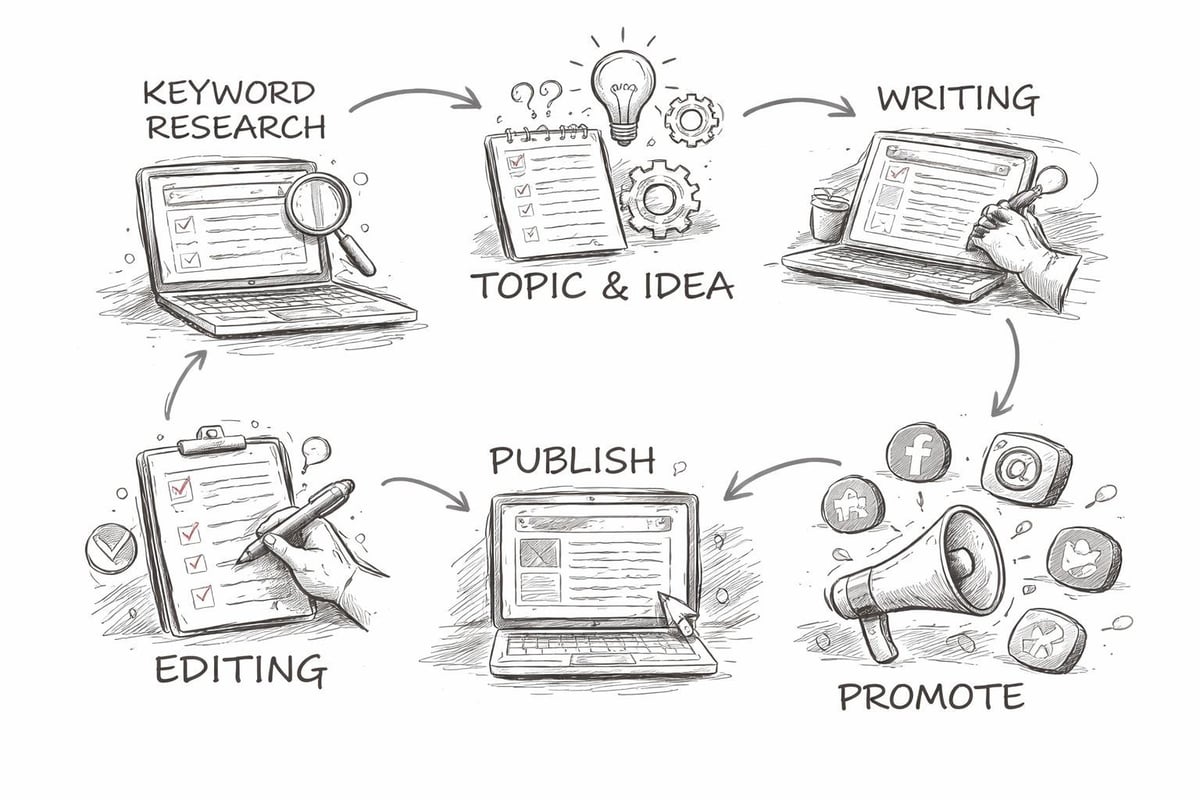
Content marketing serves multiple purposes within small business internet marketing frameworks. Quality content attracts organic search traffic, positions your business as an industry authority, provides shareable material for social media, and nurtures potential customers through the decision-making process.
The most effective content strategies address customer pain points at different stages of the buyer's journey:
- Awareness stage: Educational blog posts, industry news, general guides
- Consideration stage: Comparison articles, detailed service explanations, case studies
- Decision stage: Testimonials, pricing information, consultation offers
Businesses serving NDIS providers or retirement villages might create content explaining regulatory changes, best practices for service delivery, or innovations in care provision. Professional services firms could publish thought leadership pieces on industry trends or practical advice for common client challenges.
Creating a Sustainable Content Calendar
Consistency matters more than volume in content marketing. Publishing one high-quality article monthly outperforms sporadic bursts of mediocre content. Develop a realistic publishing schedule based on available resources and stick to it.
Content formats should vary to maintain audience interest and accommodate different learning preferences. Mix written articles with videos, infographics, podcasts, and downloadable resources. Repurpose content across channels to maximise return on investment.
Harnessing Social Media for Business Growth
Social media marketing offers small businesses direct access to target audiences and opportunities for authentic engagement. However, success requires strategic platform selection rather than attempting to maintain presence everywhere simultaneously.
Research from SME marketing data indicates that businesses focusing efforts on 2-3 platforms where their audiences are most active achieve better results than those spreading resources thinly across all networks.
Platform selection should align with your target demographic and content strengths:
- LinkedIn excels for B2B professional services and thought leadership
- Facebook remains effective for local businesses and community engagement
- Instagram works well for visually-driven industries and younger demographics
- YouTube suits educational content and demonstration videos
Aged care facilities and retirement villages often find Facebook effective for connecting with families researching care options. Financial services professionals leverage LinkedIn for networking and establishing expertise. Trades businesses showcase completed projects on Instagram and Facebook.
Developing Engagement Strategies
Small business internet marketing through social media requires more than broadcasting promotional messages. Authentic engagement builds relationships and trust. Respond promptly to comments and messages, participate in relevant conversations, and share valuable content from other sources alongside your own material.
Consider implementing these engagement tactics:
- Behind-the-scenes content showing your team and processes
- User-generated content featuring satisfied customers
- Interactive posts asking questions or soliciting opinions
- Live video sessions addressing common customer questions
- Employee spotlight posts humanising your brand
Implementing Email Marketing Campaigns
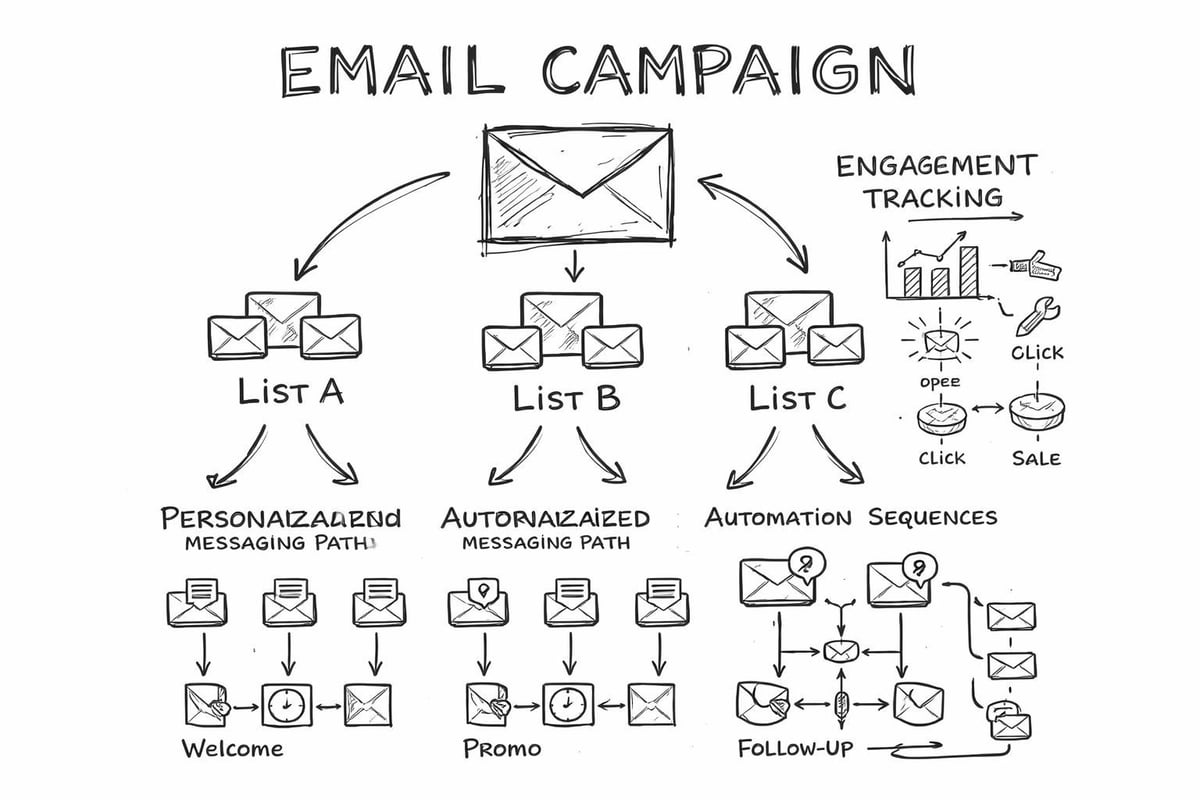
Email marketing delivers exceptional return on investment for small business internet marketing when executed properly. Unlike social media where algorithms control visibility, email provides direct access to interested prospects and existing customers.
List building begins with website opt-in forms offering genuine value in exchange for email addresses. This might include downloadable guides, exclusive discounts, industry insights, or early access to new services. Never purchase email lists; quality always trumps quantity in email marketing.
Segment your email list based on customer characteristics and behaviours to deliver more relevant messages. Different audiences within your database have distinct needs and interests. A retirement village might segment by prospective residents versus family members researching options. Professional services firms could segment by industry sector or service interest.
| Email Type | Purpose | Frequency |
|---|---|---|
| Newsletter | Maintain awareness and share updates | Monthly or fortnightly |
| Promotional | Drive specific offers or campaigns | As needed |
| Educational | Provide value and demonstrate expertise | Weekly or fortnightly |
| Transactional | Confirm actions and deliver information | Triggered by user actions |
Crafting Effective Email Content
Subject lines determine whether recipients open your emails. Test different approaches to discover what resonates with your audience. Personalisation, urgency, curiosity, and clear value propositions all can drive open rates higher.
Email content should deliver on the promise made in the subject line. Keep messages focused on a single primary objective with a clear call-to-action. Mobile optimisation remains critical, as most emails are now opened on smartphones.
Utilising Paid Advertising for Accelerated Results
While organic strategies build sustainable long-term results, pay-per-click advertising provides immediate visibility and accelerated lead generation. Small business internet marketing often benefits from combining organic and paid approaches strategically.
Google Ads allows businesses to appear at the top of search results for relevant keywords. This proves particularly valuable for service-based businesses where customers actively search for solutions. Trades businesses, professional services, and financial advisors can capture high-intent prospects at the moment they're seeking help.
Social media advertising offers sophisticated targeting capabilities based on demographics, interests, behaviours, and custom audiences. Facebook and Instagram ads enable businesses to reach specific audience segments with tailored messaging.
Maximising Advertising ROI
Success with paid advertising requires careful campaign structure, ongoing optimisation, and realistic budget allocation. Start with small budgets to test messaging and targeting before scaling successful campaigns.
Key performance indicators to monitor include:
- Cost per click (CPC)
- Click-through rate (CTR)
- Conversion rate
- Cost per acquisition (CPA)
- Return on ad spend (ROAS)
Landing page quality significantly impacts advertising effectiveness. Ensure ads direct traffic to dedicated landing pages aligned with ad messaging rather than generic homepage destinations. This alignment improves conversion rates and reduces wasted advertising expenditure.
Measuring Performance and Adjusting Strategies
Data-driven decision making separates successful small business internet marketing from guesswork. Establish clear key performance indicators aligned with business objectives and track them consistently.
Google Analytics provides comprehensive insights into website traffic, user behaviour, and conversion patterns. Understanding which channels drive the most valuable traffic enables smarter resource allocation.
Social media platforms offer native analytics tools revealing post performance, audience demographics, and engagement patterns. Email marketing platforms track open rates, click rates, and conversion metrics. Regularly review these analytics to identify trends and opportunities.
Marketing effectiveness extends beyond digital metrics to business outcomes. Track how marketing activities influence:
- Lead generation volume and quality
- Sales conversion rates
- Customer acquisition costs
- Customer lifetime value
- Revenue growth
Australian businesses across sectors benefit from quarterly marketing reviews assessing performance against goals and adjusting strategies accordingly. What worked last quarter may not deliver the same results as market conditions and consumer preferences evolve.
Testing and Optimisation
Continuous improvement requires systematic testing of different approaches. A/B testing email subject lines, landing page designs, ad copy, and social media post formats reveals what resonates most with your audience.
Small business internet marketing success comes from implementing proven strategies consistently while remaining flexible enough to adapt based on performance data and changing market conditions. The most effective marketers balance strategic patience with tactical agility.
According to expert online marketing tips, businesses that commit to regular measurement and optimisation significantly outperform those that set and forget their marketing campaigns.
Developing a Sustainable Marketing Budget
Financial planning for small business internet marketing requires balancing ambition with realistic resource availability. Industry benchmarks suggest businesses typically allocate between 7% and 12% of revenue to marketing, with new businesses often investing more aggressively to establish market presence.
Budget allocation should reflect both short-term needs and long-term objectives:
- Website and technical infrastructure: One-time and ongoing maintenance costs
- Content creation: In-house staff time or outsourced production
- Advertising spend: Paid search, social media, and display advertising
- Tools and software: Analytics, email marketing, social media management
- Professional services: Agency support or consultant expertise
Many Australian businesses find value in partnering with experienced digital marketing specialists who bring strategic insight and technical expertise without the overhead of full-time employees.
Balancing In-House and Outsourced Activities
Determine which marketing activities make sense to handle internally versus outsourcing based on available skills, time, and resources. Core business activities should never suffer because leadership becomes overwhelmed managing marketing initiatives.
In-house advantages include deeper business knowledge, faster response times, and direct control. However, outsourcing provides access to specialised expertise, established processes, and fresh perspectives that internal teams may lack.
Building Long-Term Customer Relationships
Small business internet marketing extends beyond customer acquisition to retention and advocacy. The cost of retaining existing customers significantly undercuts acquiring new ones, making relationship nurturing economically sensible.
Post-purchase communication maintains engagement and encourages repeat business. Email automation can deliver valuable content, request feedback, and promote additional services at appropriate intervals. Businesses serving retirement villages or NDIS providers particularly benefit from ongoing communication that supports families through extended decision-making and service delivery periods.
Customer feedback provides invaluable insights for improving services and identifying new opportunities. Actively solicit reviews and testimonials, respond professionally to all feedback, and demonstrate how customer input shapes business improvements.
Loyalty programmes, exclusive offers for existing customers, and referral incentives all strengthen relationships while generating new business opportunities. Satisfied customers become brand ambassadors, sharing positive experiences within their networks and providing authentic marketing that money cannot buy.
Effective small business internet marketing combines strategic planning with consistent execution across multiple digital channels. By focusing on building a strong online foundation, creating valuable content, engaging authentically with audiences, and measuring results systematically, Australian businesses can achieve sustainable growth in competitive markets. Whether you're operating a professional services firm, trades business, or specialised organisation serving aged care and NDIS sectors, My Heart Studio brings the expertise and strategic approach needed to elevate your digital presence and drive meaningful business results across Australia.