
The digital landscape has fundamentally changed how businesses connect with their audiences, and selecting the right social media marketing agency has become a critical decision for companies seeking competitive advantage. For Australian businesses navigating an increasingly complex online environment, partnering with specialists who understand platform algorithms, audience behaviour, and conversion strategies can mean the difference between stagnant follower counts and genuine business growth. With social media platforms evolving at unprecedented rates and consumer expectations shifting toward authentic, value-driven content, the expertise offered by a dedicated agency extends far beyond scheduled posts and aesthetic graphics.
Understanding the Role of a Social Media Marketing Agency
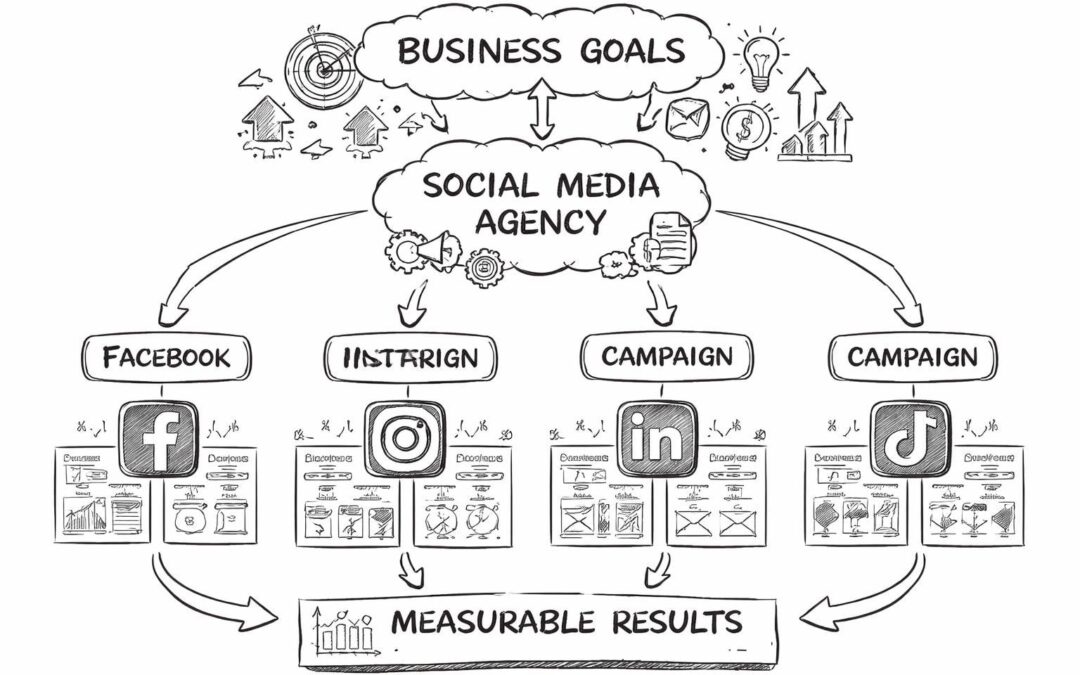
A social media marketing agency functions as a strategic partner that manages, optimises, and scales your social presence across multiple platforms. These specialists bring together content creators, data analysts, strategists, and community managers to execute campaigns that align with your business objectives.
The core responsibilities extend across platform management, content development, audience engagement, paid advertising, and performance analytics. Rather than treating social media as an isolated marketing channel, effective agencies integrate these efforts with your broader digital strategy, ensuring consistency across all customer touchpoints.
Services Offered by Modern Agencies
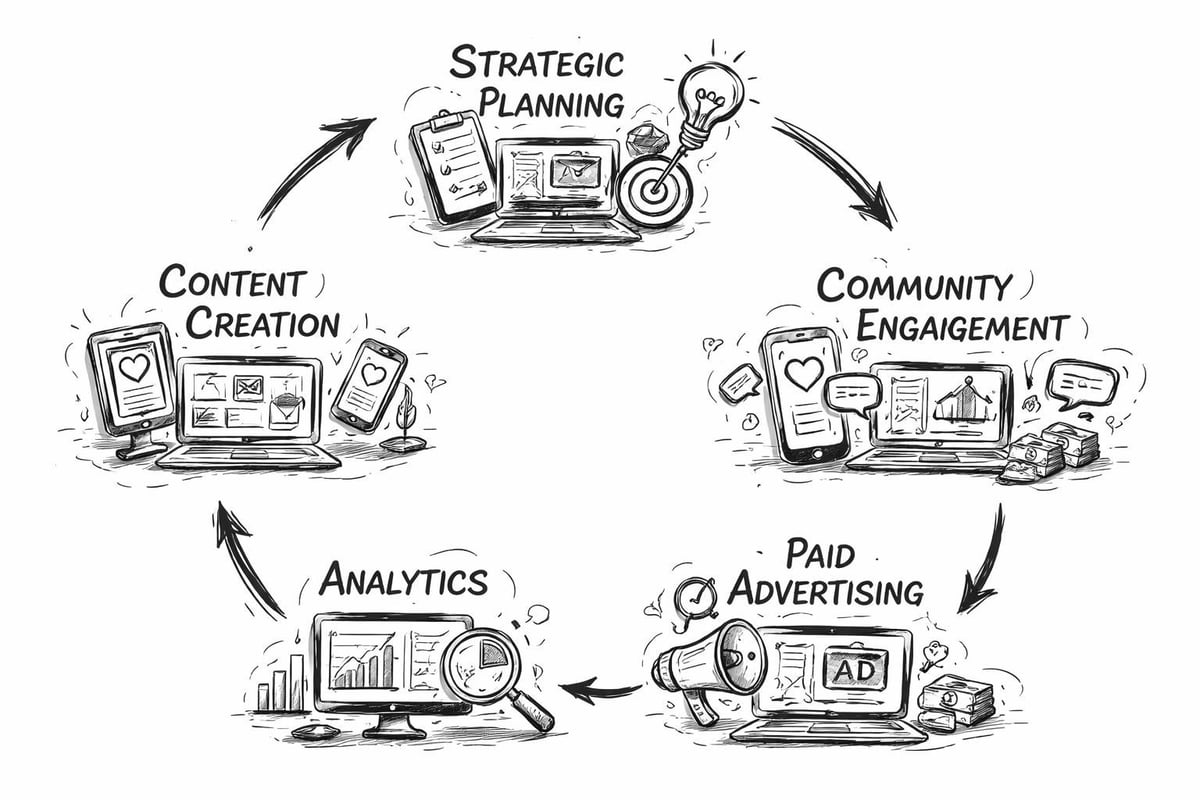
Today's social media marketing agency delivers a comprehensive suite of services designed to address every aspect of your online presence:
- Strategic planning and audience research to identify target demographics and optimal platform selection
- Content creation and curation including graphics, videos, stories, and platform-specific formats
- Community management with real-time engagement, reputation monitoring, and customer service integration
- Paid advertising campaigns across Meta platforms, LinkedIn, TikTok, and emerging channels
- Influencer partnerships and collaboration management
- Analytics and reporting with actionable insights and performance benchmarking
Many agencies now incorporate advanced social listening and AI-driven campaign optimisation to stay ahead of trends and maximise campaign effectiveness. This technological integration allows businesses to respond rapidly to market changes and consumer sentiment shifts.
Why Australian Businesses Partner with Social Media Specialists
The decision to engage a social media marketing agency often stems from recognising the complexity and time investment required to maintain an effective social presence. For businesses focused on core operations, managing multiple platforms while staying current with algorithm changes, content trends, and compliance requirements creates significant resource strain.
Australian businesses face unique considerations including regional audience behaviour, time zone management for global campaigns, and understanding local cultural nuances. Agencies with Australian market expertise navigate these challenges while delivering measurable results across brand awareness, lead generation, and customer retention metrics.
The Resource and Expertise Gap
Most businesses lack the in-house capacity to staff a complete social media team with strategists, designers, copywriters, videographers, and analysts. A single social media marketing agency provides access to this full spectrum of expertise without the overhead costs of permanent employees.
The knowledge gap extends beyond execution to strategy development. Effective agencies stay current with platform updates, emerging features, and shifting best practices through continuous learning and industry engagement. This specialised knowledge translates directly into campaign performance improvements that justify agency investment.
| In-House Management | Agency Partnership |
|---|---|
| Limited expertise across platforms | Multi-platform specialists |
| Resource constraints during peak periods | Scalable capacity |
| Slower adaptation to platform changes | Continuous platform expertise |
| Higher fixed costs (salaries, tools) | Variable costs aligned with activity |
| Limited creative diversity | Diverse portfolio experience |
Content Strategy Development and Implementation
The foundation of successful social media management lies in strategic content planning that balances promotional messaging with value delivery. A skilled social media marketing agency develops content frameworks that resonate with target audiences while supporting business objectives.
The 50-30-20 rule for social media content provides a tested framework: 50% curated content from trusted sources, 30% original content demonstrating expertise, and 20% promotional material. This balanced approach builds authority and engagement without overwhelming audiences with sales messages.
Platform-Specific Content Optimisation
Each social platform demands unique content formats, posting frequencies, and engagement styles. Instagram prioritises visual storytelling through feed posts, Stories, and Reels, while LinkedIn audiences expect professional insights and industry commentary. TikTok requires trend awareness and authentic, informal content that fits platform culture.
Effective agencies adapt core messages across platforms rather than duplicating identical content. This approach respects audience expectations while maintaining brand consistency. For example, a product launch might feature polished photography on Instagram, behind-the-scenes video on TikTok, and a case study article on LinkedIn.
The importance of maintaining a consistent posting schedule cannot be overstated, as regular content delivery builds audience trust and maximises algorithmic reach. Agencies use content calendars and scheduling tools to maintain this consistency even during holiday periods or campaign peaks.
Data Analytics and Performance Optimisation
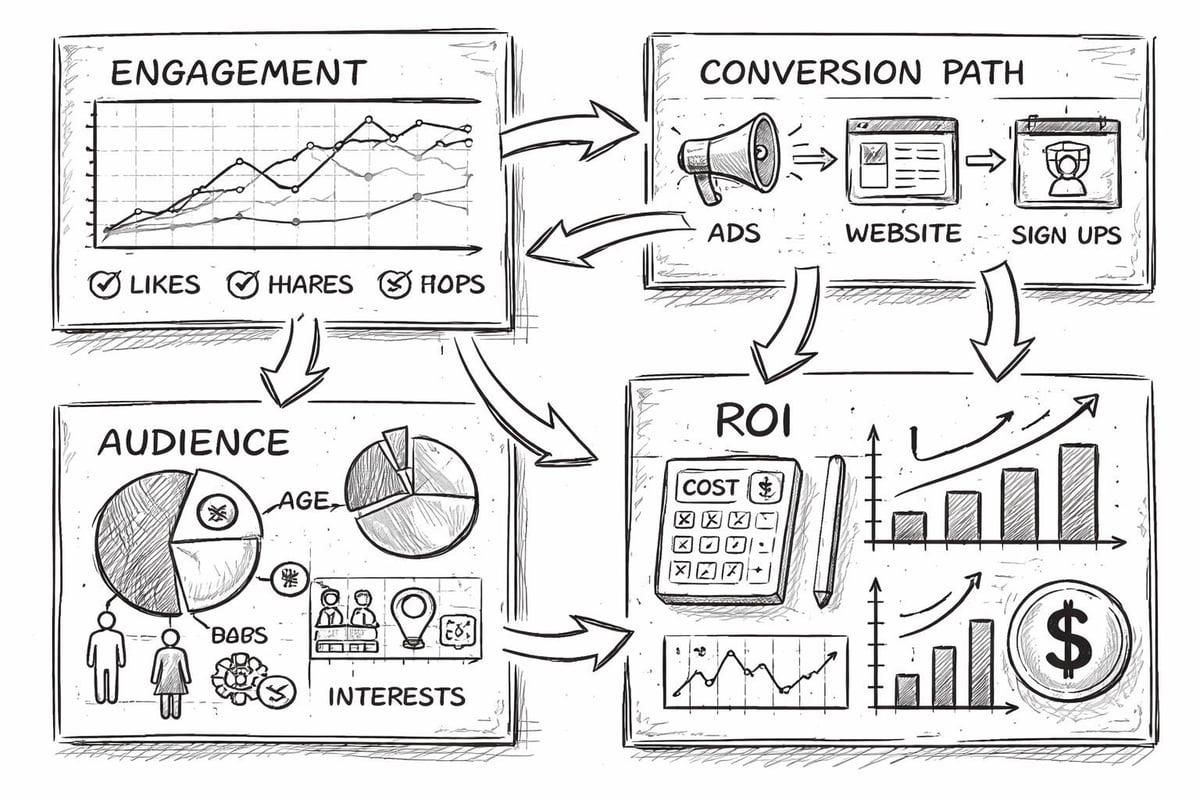
Modern social media marketing agencies distinguish themselves through rigorous data analysis and continuous optimisation. Rather than relying on vanity metrics like follower counts, sophisticated agencies track conversion pathways, engagement quality, and revenue attribution.
Key performance indicators vary based on campaign objectives but typically include:
- Engagement rates (likes, comments, shares, saves) relative to follower count
- Reach and impressions to understand content distribution
- Click-through rates from social platforms to owned properties
- Conversion rates for lead generation or sales objectives
- Customer acquisition costs compared against other marketing channels
- Sentiment analysis tracking brand perception and conversation tone
Analyzing performance metrics to optimize content ensures strategies remain aligned with client objectives and market realities. Monthly reporting should include not just numbers but actionable insights and strategic recommendations based on performance patterns.
A/B Testing and Continuous Improvement
Professional agencies implement systematic testing across content variables including post timing, headline formats, visual styles, call-to-action placement, and audience targeting. This empirical approach removes guesswork and builds a knowledge base of proven tactics specific to your brand and audience.
Testing extends to paid advertising with budget allocation experiments, creative variations, and audience segment comparisons. The insights gained inform both paid and organic content strategies, creating a feedback loop that continuously improves performance.
Community Management and Customer Engagement
Social platforms function as customer service channels and brand reputation managers as much as marketing tools. A responsive social media marketing agency monitors mentions, comments, messages, and reviews across all platforms, ensuring timely and appropriate responses that strengthen customer relationships.
Creating communities and engaging in social media groups extends brand presence beyond owned channels into spaces where target audiences already congregate. This approach builds authentic connections and positions brands as helpful community members rather than intrusive advertisers.
Real-time engagement requires dedicated monitoring and response protocols. Agencies establish guidelines for comment responses, crisis management procedures, and escalation pathways for complex customer issues. This systematic approach protects brand reputation while converting social interactions into loyalty-building opportunities.
Building Brand Advocacy Through Engagement
Strategic engagement transforms casual followers into brand advocates who amplify messaging through shares and recommendations. Agencies identify and nurture these advocates through recognition programs, exclusive content access, and genuine relationship building.
The conversation extends beyond reactive responses to proactive engagement with industry discussions, trending topics, and relevant community content. This participation demonstrates brand personality and keeps your business visible in audience feeds even between scheduled posts.
Paid Advertising and Campaign Management
While organic reach remains valuable, platform algorithm changes have made paid advertising essential for businesses seeking significant social media impact. A competent social media marketing agency combines organic and paid strategies to maximise reach and conversion efficiency.
Paid campaign management encompasses:
- Audience targeting using demographic, behavioural, and interest-based parameters
- Creative development optimised for platform specifications and audience preferences
- Budget allocation across platforms and campaign objectives
- Bid strategy optimisation for cost-effective results
- Retargeting campaigns to nurture prospects through conversion funnels
- Performance tracking with attribution modelling
Advanced agencies leverage platform pixels and conversion APIs to track user journeys from initial ad exposure through website conversion. This data informs both immediate campaign adjustments and long-term strategic planning.
Platform Selection and Budget Distribution
Not every platform suits every business. B2B companies often achieve better returns from LinkedIn investment, while consumer brands may prioritise Instagram and TikTok. Effective agencies recommend platform selection based on audience research rather than assumptions or trends.
Budget distribution follows performance evidence. Initial campaigns might distribute spending evenly across platforms to establish baselines, then shift resources toward channels demonstrating strongest conversion metrics. This data-driven approach ensures marketing budgets generate maximum returns.
Leveraging Social Proof and Case Studies
Building credibility through demonstrated success forms a cornerstone of agency selection for prospective clients. Social proof through testimonials and case studies provides tangible evidence of capability and results.
Agencies should showcase diverse campaign examples demonstrating versatility across industries, platforms, and objectives. Successful social media campaigns across entertainment, cosmetics, and luxury brands illustrate how strategic approaches adapt to unique brand requirements while delivering measurable outcomes.
When evaluating potential agency partners, businesses should examine:
| Evaluation Criteria | What to Look For |
|---|---|
| Portfolio diversity | Experience across your industry and adjacent sectors |
| Results documentation | Specific metrics rather than vague claims |
| Strategic approach | Customised strategies versus template solutions |
| Team expertise | Specialist skills across content, analytics, and paid media |
| Client retention | Long-term partnerships indicating sustained value delivery |
| Communication style | Reporting frequency, accessibility, and transparency |
Integrating Social Media with Broader Marketing Strategies
Isolated social media efforts miss opportunities for synergy with other marketing channels. A strategic social media marketing agency understands how social campaigns amplify email marketing, support SEO objectives, drive website traffic, and reinforce brand messaging across all customer touchpoints.
Content repurposing across channels maximises value from creation investments. Blog articles become LinkedIn posts, Instagram carousels, and Twitter threads. Podcast episodes generate audiogram clips for social sharing. Customer testimonials transform into visual quotes for platform-specific formats.
The integration extends to strategic planning and digital marketing that aligns social campaigns with product launches, seasonal promotions, and business development initiatives. This coordination ensures consistent messaging and timing across all channels.
Cross-Channel Attribution and Measurement
Understanding how social media contributes to conversions requires sophisticated attribution modelling. Customers rarely convert on first exposure, instead interacting with brands across multiple touchpoints before making purchase decisions.
Agencies implement tracking systems that map these customer journeys, assigning appropriate value to social media's role in awareness building, consideration nurturing, and conversion support. This understanding justifies social media investment and guides budget allocation across marketing channels.
Selecting the Right Social Media Marketing Agency Partner
The abundance of agencies claiming social media expertise makes selection challenging for businesses seeking genuine partnership. Beyond portfolio review and pricing comparison, businesses should evaluate cultural fit, communication approaches, and strategic alignment.
Initial consultations reveal agency methodology and willingness to understand your specific business context. Quality agencies ask detailed questions about target audiences, competitive positioning, and business objectives before proposing solutions. Cookie-cutter approaches signal limited customisation capacity.
Questions to Ask Prospective Agencies
- What industries do you specialise in, and do you have experience with businesses similar to ours?
- How do you measure campaign success, and what reporting do clients receive?
- What platforms do you recommend for our objectives, and why?
- How do you stay current with platform changes and emerging trends?
- What is your content approval process, and how much client involvement is required?
- How do you handle negative comments or reputation issues?
- What tools and technologies do you use for management and analytics?
- Can you provide references from current or past clients in our industry?
Contract terms should clearly define deliverables, performance expectations, reporting schedules, and revision processes. Flexibility for strategy adjustments based on performance data indicates an agency committed to results rather than rigid execution of predetermined plans.
Emerging Trends Shaping Social Media Marketing
The social media landscape continues evolving rapidly, with new platforms, features, and user behaviours emerging constantly. Forward-thinking agencies monitor these trends and assess their relevance for client strategies.
Video content dominance continues accelerating across all platforms, with short-form video prioritised by algorithms on Instagram, Facebook, LinkedIn, and emerging platforms. Live streaming creates authentic connection opportunities, while interactive features like polls, quizzes, and Q&A sessions boost engagement metrics.
Social commerce integration transforms platforms into direct sales channels. Instagram Shopping, Facebook Marketplace, and TikTok Shop enable product discovery and purchase without leaving social environments. Agencies help businesses leverage these features through product catalogues, shoppable posts, and influencer partnerships.
Privacy Changes and Data Limitations
Platform privacy updates and data tracking restrictions require strategic adjustments in targeting and measurement. Agencies navigate these changes through first-party data collection strategies, contextual targeting approaches, and diversified measurement methodologies that reduce dependence on platform-provided analytics.
The shift toward privacy-first marketing emphasises permission-based relationships and value exchange. Content quality and audience relevance become increasingly important as broad demographic targeting becomes less effective.
The Investment and Return Consideration
Social media marketing agency costs vary significantly based on service scope, platform coverage, and content volume. Australian businesses typically encounter monthly retainer models ranging from modest packages for single-platform management to comprehensive programs covering strategy, content creation, paid advertising, and analytics across multiple channels.
Evaluating return on investment requires defining clear objectives aligned with business priorities. Brand awareness campaigns measure reach and engagement growth. Lead generation initiatives track conversion rates and cost per acquisition. Customer retention programs monitor engagement patterns and lifetime value metrics.
The investment extends beyond agency fees to advertising budgets, content production costs, and platform subscriptions. Transparent agencies provide detailed breakdowns distinguishing between management fees and media spending, ensuring businesses understand total investment requirements.
Timeline Expectations for Results
Social media success rarely occurs overnight. Algorithm-driven organic reach requires consistent content delivery over months to build momentum. Paid advertising can generate immediate traffic, but optimisation for cost-efficiency develops through iterative testing and refinement.
Realistic agencies set appropriate expectations during onboarding, outlining milestone timelines for follower growth, engagement improvement, and conversion development. Quick wins in areas like response time improvement and content quality enhancement build confidence while longer-term strategies develop.
Selecting and partnering with a social media marketing agency represents a strategic investment in your business's digital future, requiring careful consideration of expertise, approach, and cultural alignment. The right partnership transforms social platforms from time-consuming obligations into powerful growth engines that build brand awareness, nurture customer relationships, and drive measurable business results. My Heart Studio helps Australian businesses navigate this complex landscape through strategic digital marketing services that integrate social media with web design, SEO, and comprehensive online growth strategies tailored to your unique objectives.