
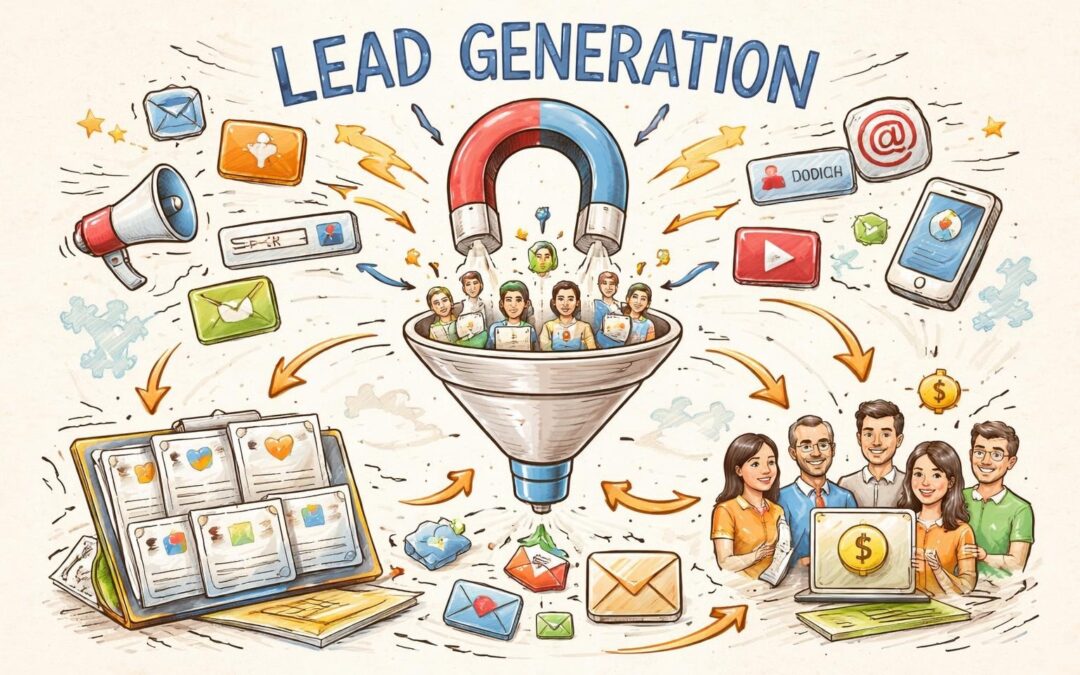
Successful businesses understand that attracting new customers requires a systematic approach to finding and engaging potential buyers. Lead generation digital marketing combines various online strategies to identify prospects, capture their interest, and convert them into paying customers. For Australian businesses competing in increasingly crowded markets, mastering these techniques has become essential for sustainable growth. This comprehensive guide explores the most effective methods, tools, and strategies that transform digital marketing efforts into measurable business results.
Understanding Lead Generation in the Digital Landscape
Lead generation digital marketing encompasses all online activities designed to attract and convert strangers into prospects who have expressed interest in your products or services. Unlike traditional advertising, which casts a wide net hoping to catch anyone, modern lead generation focuses on attracting qualified individuals who match your ideal customer profile.
The digital transformation has fundamentally changed how businesses connect with potential customers. Prospects now conduct extensive research before making purchase decisions, comparing options across multiple channels and touchpoints. This shift in buyer behaviour demands a strategic approach that provides value at every stage of the customer journey.
The Core Components of Effective Lead Generation
A successful lead generation strategy integrates several key elements working together:
- Target audience identification based on demographic, psychographic, and behavioural data
- Content creation that addresses specific pain points and questions
- Channel selection aligned with where your prospects spend time online
- Conversion mechanisms that capture contact information in exchange for value
- Lead nurturing systems that move prospects through the sales funnel
- Analytics and measurement to track performance and optimise results
According to research on lead generation fundamentals, businesses that implement structured lead generation processes experience significantly higher conversion rates than those relying on ad-hoc tactics.
Strategic Channels for Lead Generation Digital Marketing
Search Engine Optimisation for Organic Lead Capture
SEO remains one of the most cost-effective channels for generating qualified leads over the long term. When prospects search for solutions to their problems, appearing in top search results positions your business as a trusted authority. Strategic SEO implementation requires optimising your website architecture, creating valuable content, and building authoritative backlinks.
The beauty of SEO lies in its compounding returns. Unlike paid advertising that stops delivering results when you stop spending, organic search visibility continues generating leads months and years after initial optimisation efforts. For Australian businesses targeting local markets, incorporating location-specific keywords and maintaining Google Business Profile listings significantly improves visibility.
Content Marketing That Converts Prospects
Content marketing serves as the foundation for most lead generation digital marketing strategies. By creating resources that educate, inform, and solve problems, businesses attract prospects actively seeking solutions. Effective lead generation content demonstrates expertise whilst building trust without aggressive sales pitches.
| Content Type | Best For | Typical Conversion Rate | Production Effort |
|---|---|---|---|
| Blog Articles | SEO traffic, thought leadership | 1-3% | Medium |
| White Papers | B2B leads, technical audiences | 5-10% | High |
| Webinars | Qualified leads, engagement | 20-40% | High |
| Case Studies | Decision-stage prospects | 3-7% | Medium |
| Video Tutorials | Engagement, brand awareness | 2-5% | High |
| Email Newsletters | Nurturing, retention | 1-2% | Low-Medium |
The My Heart Studio digital marketing services approach emphasises creating content that genuinely helps prospects rather than simply promoting products.
Pay-Per-Click Advertising for Immediate Results
Whilst organic strategies build momentum over time, PPC advertising delivers immediate visibility and lead generation. Google Ads, Facebook Ads, and LinkedIn advertising allow precise targeting based on demographics, interests, behaviours, and search intent. The key advantage lies in the ability to test messaging quickly and scale successful campaigns.
Building High-Converting Lead Capture Systems
Landing Pages That Drive Action
A landing page serves one specific purpose: converting visitors into leads by capturing their contact information. Unlike general website pages with multiple navigation options, effective landing pages eliminate distractions and focus attention on a single conversion goal.
Essential elements include:
- Compelling headline that immediately communicates value
- Clear benefit statements explaining what visitors gain
- Trust indicators such as testimonials, certifications, or security badges
- Prominent call-to-action with action-oriented language
- Minimal form fields requesting only essential information
- Visual hierarchy guiding eyes toward the conversion point
Testing different variations through A/B testing reveals which combinations produce the highest conversion rates. Even small improvements compound significantly over thousands of visitors.
Lead Magnets That Attract Ideal Prospects
People willingly exchange contact information when they receive something valuable in return. Lead magnets serve this purpose by offering resources that address specific challenges or desires. The most effective lead magnets provide immediate gratification whilst demonstrating expertise.

Popular lead magnet formats include:
- Comprehensive guides or ebooks
- Templates and worksheets
- Checklists and cheat sheets
- Free tools or calculators
- Video training series
- Exclusive webinars
- Industry reports and research
- Free consultations or audits
The quality of your lead magnet directly impacts lead quality. Generic resources attract tire-kickers, whilst specific, high-value offerings attract serious prospects closer to making purchase decisions.
Leveraging Social Media for Lead Generation
Social platforms provide unprecedented access to target audiences, but effective lead generation requires understanding each platform’s unique characteristics. LinkedIn excels for B2B lead generation, particularly when targeting decision-makers in specific industries or roles. Facebook and Instagram work well for B2C businesses reaching consumers through interest-based targeting.
Digital marketing channels must align with where your audience naturally congregates. A retirement village developer gains more qualified leads on Facebook than TikTok, whilst a fashion retailer might find the opposite.
Organic Social Strategies
Building an engaged social media following creates a sustainable source of leads without ongoing advertising costs. Consistent posting schedules, valuable content sharing, and genuine engagement build communities around your brand. The challenge lies in platform algorithms that increasingly limit organic reach, making patience and persistence essential.
Paid Social Advertising
Social media advertising platforms offer sophisticated targeting capabilities that identify prospects based on interests, behaviours, job titles, and life events. Lead generation ads on Facebook and LinkedIn allow prospects to submit information without leaving the platform, reducing friction in the conversion process.
Email Marketing for Lead Nurturing
Capturing leads represents only the first step; converting them into customers requires ongoing nurturing through email marketing. Automated email sequences deliver relevant content based on prospect behaviours and characteristics, building relationships over time.
| Email Sequence Type | Purpose | Typical Length | Best Timing |
|---|---|---|---|
| Welcome Series | Introduce brand, set expectations | 3-5 emails | Day 0-7 |
| Educational Drip | Build expertise, provide value | 6-10 emails | Weekly |
| Product Launch | Generate excitement, drive sales | 4-6 emails | 2 weeks |
| Re-engagement | Reactivate dormant leads | 3-4 emails | After 60-90 days |
| Abandoned Cart | Recover lost sales | 2-3 emails | Within 24 hours |
Personalisation significantly improves email performance. Using prospect names, referencing their specific interests, and tailoring content to their industry or role increases engagement and conversion rates.
Measuring Lead Generation Success
Key Performance Indicators
Tracking the right metrics enables continuous improvement and justifies marketing investments. Essential KPIs for lead generation digital marketing include:
- Lead volume: Total number of new leads captured
- Cost per lead: Total marketing spend divided by leads generated
- Conversion rate: Percentage of visitors who become leads
- Lead quality score: Rating system measuring sales-readiness
- Time to conversion: Duration from first touch to purchase
- Return on investment: Revenue generated versus marketing costs
- Channel attribution: Which sources generate the most valuable leads
Understanding various lead generation sources and their relative performance helps allocate budgets toward the highest-performing channels.
Analytics Tools and Attribution
Google Analytics tracks website visitor behaviour, conversion paths, and traffic sources. Marketing automation platforms like HubSpot, Marketo, or ActiveCampaign integrate lead capture, email nurturing, and analytics in unified systems. CRM integration ensures sales teams access complete lead histories, improving follow-up effectiveness.
Attribution modelling reveals which touchpoints contribute to conversions. First-touch attribution credits the initial interaction, last-touch credits the final touchpoint before conversion, and multi-touch models distribute credit across all interactions. Understanding attribution prevents over-investing in channels that assist conversions without initiating them.
Advanced Lead Generation Techniques
Retargeting and Remarketing
Most website visitors leave without converting on their first visit. Retargeting places your ads in front of previous visitors as they browse other websites or social platforms, keeping your brand top-of-mind. This technique works exceptionally well because these prospects already demonstrated interest by visiting your site.
Segmented retargeting campaigns deliver different messages based on which pages visitors viewed. Someone who visited pricing pages sees different ads than someone who only read blog articles, creating more relevant experiences that improve conversion rates.
Chatbots and Conversational Marketing
Live chat and AI-powered chatbots engage website visitors in real-time conversations, answering questions and capturing lead information. Rather than waiting for prospects to fill forms, chatbots proactively offer assistance, qualifying leads through conversation before routing qualified prospects to sales representatives.
The effective use of digital marketing tools like chatbots creates seamless experiences that reduce friction in the lead generation process.
Account-Based Marketing
ABM flips traditional lead generation by identifying specific target companies first, then creating personalised campaigns designed to engage decision-makers within those organisations. This approach works particularly well for B2B businesses selling high-value products or services to enterprise clients.
Tactics include personalised direct mail, custom content addressing specific company challenges, targeted advertising to employees at target accounts, and coordinated outreach across multiple channels. The intensive personalisation requires significant resources but generates highly qualified leads with shorter sales cycles.
Optimising Lead Quality Over Quantity
Lead Scoring Systems
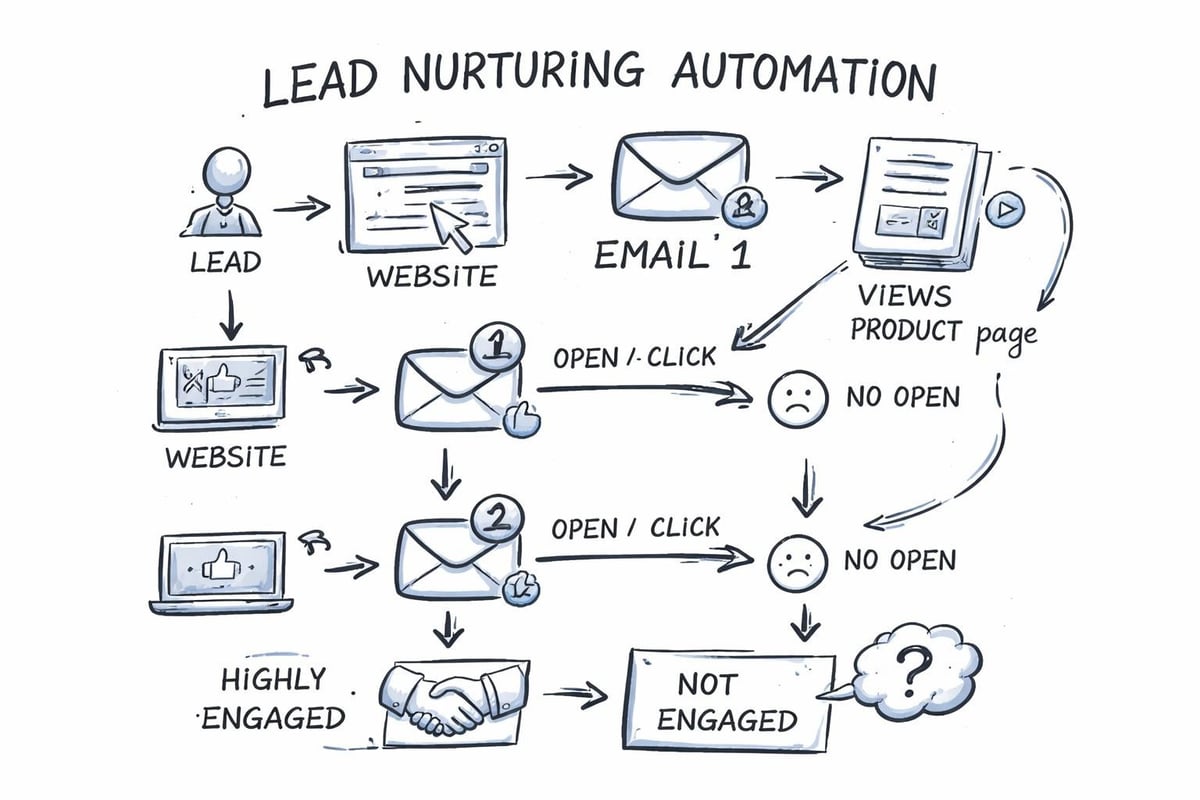
Not all leads possess equal value. Lead scoring assigns numerical values based on demographic information (job title, company size, industry) and behavioural signals (content downloads, email opens, website visits). Higher scores indicate stronger purchase intent and better fit with ideal customer profiles.
Automated scoring systems trigger different actions based on thresholds. High-scoring leads receive immediate sales follow-up, whilst low-scoring leads enter nurturing sequences until they demonstrate stronger buying signals.
Sales and Marketing Alignment
The traditional divide between marketing and sales teams creates inefficiencies and missed opportunities. Marketing generates leads that sales considers unqualified, whilst sales complains about insufficient lead volume. Resolving this tension requires clear definitions of what constitutes a qualified lead and regular communication between teams.
Service Level Agreements (SLAs) formalise commitments. Marketing commits to delivering a specific number of qualified leads, whilst sales commits to following up within defined timeframes. Regular meetings review performance, discuss feedback, and refine qualification criteria.
Building a Sustainable Lead Generation Ecosystem
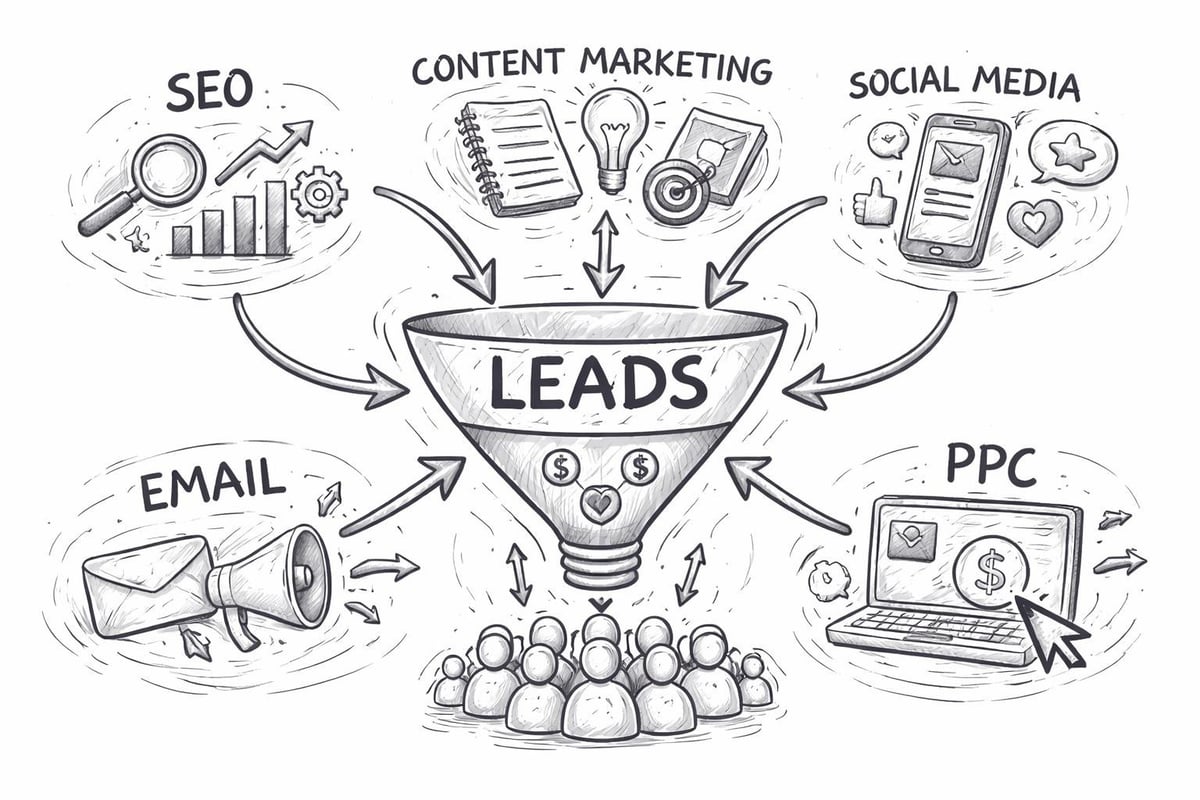
Creating consistent lead flow requires integrating multiple channels into a cohesive system. Comprehensive digital marketing strategies combine content marketing, SEO, paid advertising, social media, and email nurturing to create multiple touchpoints throughout the buyer journey.
The techniques outlined by industry experts emphasise building trust and visibility across all channels, recognising that prospects interact with brands through numerous touchpoints before making purchase decisions.
Balancing Paid and Organic Methods
Whilst organic strategies like SEO and content marketing deliver better long-term ROI, they require months to generate significant results. Paid advertising provides immediate visibility and lead flow whilst organic efforts build momentum. The optimal approach combines both methods, using paid channels to generate leads immediately whilst investing in organic strategies for sustainable long-term growth.
Continuous Testing and Optimisation
Markets evolve, competitor strategies change, and customer preferences shift. Regular testing identifies opportunities for improvement across all lead generation activities. A/B testing landing pages, experimenting with different ad creative, trying new content formats, and testing email subject lines reveal incremental improvements that compound over time.
Quarterly strategy reviews assess overall performance, identify underperforming channels, and reallocate resources toward the highest-performing tactics. This iterative approach ensures lead generation systems remain effective despite changing market conditions.
Compliance and Privacy Considerations
Australian businesses must comply with the Privacy Act 1988 and the Australian Privacy Principles when collecting and storing prospect information. Clear privacy policies, secure data storage, and explicit consent mechanisms protect both businesses and prospects. The global shift toward stricter privacy regulations makes compliance not just legally necessary but competitively advantageous as consumers increasingly value data protection.
Transparent communication about how you collect, store, and use prospect information builds trust. Providing easy opt-out mechanisms and honouring unsubscribe requests promptly maintains reputation and legal compliance.
Implementing effective lead generation digital marketing requires integrating multiple strategies, consistently delivering value, and continuously optimising based on performance data. Australian businesses face unique opportunities in growing digital markets, where strategic approaches to attracting and converting prospects create sustainable competitive advantages. The team at My Heart Studio specialises in developing comprehensive lead generation systems tailored to your specific business needs, combining web design, SEO, and strategic digital marketing to drive measurable growth. Contact us to discover how we can help transform your digital presence into a consistent source of qualified leads.