
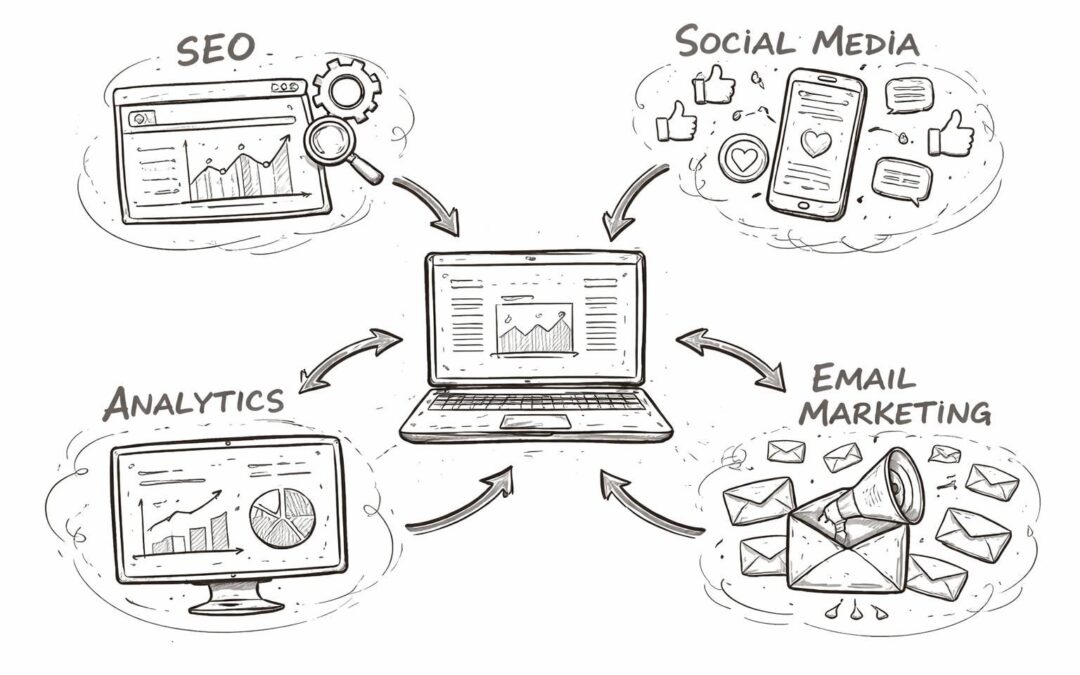
In the rapidly evolving digital landscape of 2026, Australian businesses face both unprecedented opportunities and complex challenges when establishing their online presence. The intersection of website development and digital marketing represents the foundation upon which modern business growth is built. For companies across Adelaide and beyond, understanding how these elements work together isn't just beneficial-it's essential for survival in an increasingly competitive marketplace. As consumer behaviour continues to shift towards digital-first experiences, businesses must adopt sophisticated strategies that leverage both robust web platforms and targeted marketing initiatives to capture attention, build trust, and drive conversions.
The Foundation: Why Website and Digital Marketing Are Inseparable
Your website serves as the central hub for all digital marketing efforts, functioning as the destination where prospects convert into customers. Without a well-designed, strategically developed website, even the most sophisticated marketing campaigns fall short of their potential.
Research demonstrates that digital technologies have fundamentally reshaped marketing practices across industries. According to analysis of digital transformation in marketing, whilst companies widely adopt digital tools, many remain more 'digitalised' than truly digitally transformed, which impacts their ability to leverage market analytics, pricing strategies, and client relationships effectively.
The relationship between your website and marketing strategy operates as a continuous feedback loop. Marketing channels drive qualified traffic to your site, whilst your website provides the user experience that converts visitors into leads and customers. This symbiotic relationship demands careful planning and execution.
Core Elements of Effective Website Design
A strategically designed website in 2026 requires several critical components:
- Mobile-first responsive design that adapts seamlessly across all devices
- Fast loading speeds with optimised images and efficient code
- Clear navigation that guides users intuitively through your content
- Compelling calls-to-action positioned strategically throughout pages
- Security features including SSL certificates and data protection measures
- Accessibility compliance ensuring all users can engage with your content
These foundational elements create the platform upon which your digital marketing success is built.
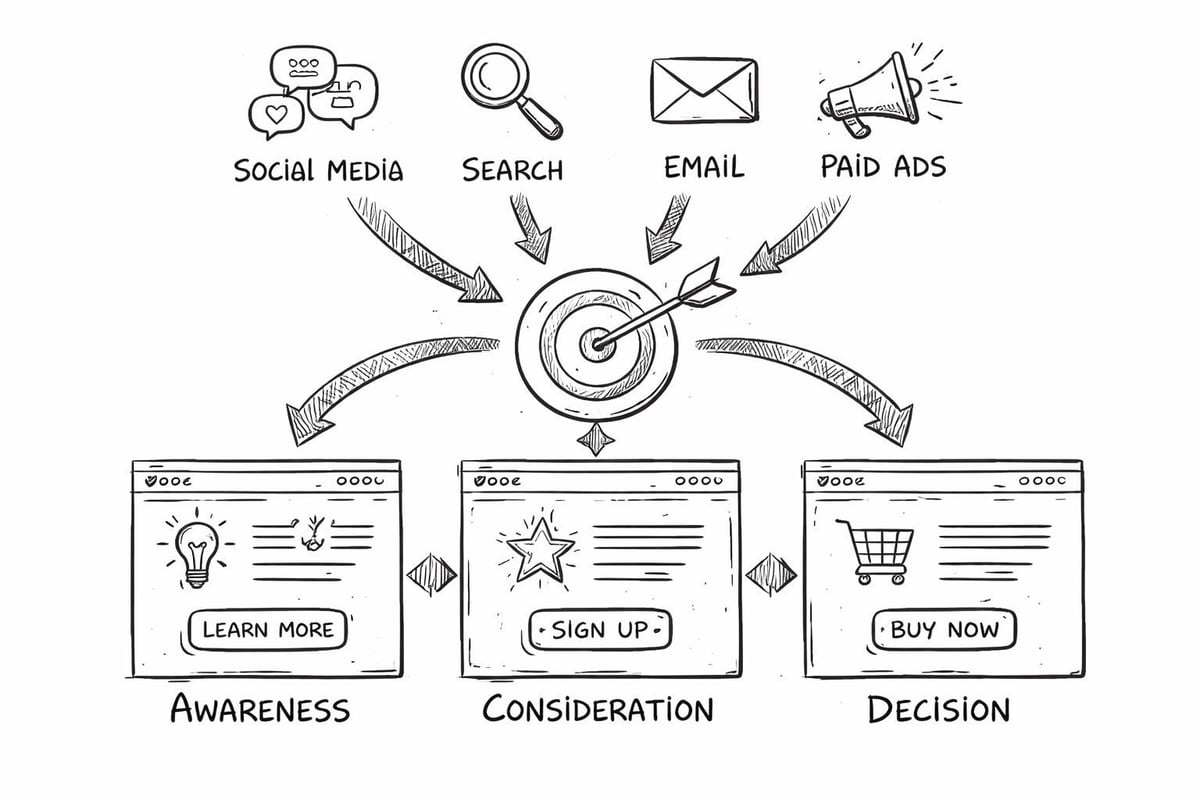
Digital Marketing Channels That Drive Website Performance
Understanding which marketing channels deliver the strongest results for your specific business objectives allows for strategic resource allocation and improved return on investment.
Search Engine Optimisation: Organic Visibility
SEO remains one of the most cost-effective long-term strategies for driving qualified traffic to your website. When implemented correctly, PPC and SEO work together to dominate search engine results pages and capture users at various stages of the buying journey.
Effective SEO in 2026 encompasses technical optimisation, content strategy, and authority building through quality backlinks. Search algorithms now prioritise user experience signals, making page speed, mobile responsiveness, and engagement metrics crucial ranking factors.
| SEO Component | Primary Impact | Time to Results |
|---|---|---|
| Technical SEO | Site performance, crawlability | 2-4 months |
| Content optimisation | Keyword rankings, relevance | 3-6 months |
| Link building | Domain authority, trust | 6-12 months |
| Local SEO | Geographic visibility | 1-3 months |
Social Media Marketing Integration
The relationship between social media activity and website performance continues to evolve. Studies examining social media marketing’s impact on website traffic reveal that whilst social platforms effectively increase web traffic, they don't automatically boost orders and sales unless incorporated into larger, more strategic campaigns, with Facebook demonstrating particular effectiveness.
Successful social media strategies for driving website engagement include:
- Content teasers that direct followers to comprehensive resources on your site
- Platform-specific offers requiring website visits to redeem
- Live streaming events that funnel audiences to landing pages
- User-generated content campaigns showcasing website features
- Social shopping integrations connecting product discovery with website checkout
Social platforms serve as discovery mechanisms, whilst your website provides the controlled environment where conversions occur.
Email Marketing's Continued Relevance
Despite predictions of its demise, email marketing remains one of the highest-ROI channels for driving website traffic and conversions. Building a quality contact list represents a fundamental digital marketing practice, as highlighted by proven digital marketing tips for businesses.
Email campaigns excel at nurturing relationships over time, moving prospects through consideration stages until they're ready to convert. Segmentation capabilities allow personalised messaging that addresses specific pain points and interests.
Modern email strategies integrate with website behaviour tracking, enabling automated sequences triggered by specific actions. Abandoned cart reminders, browse abandonment campaigns, and post-purchase follow-ups all drive meaningful website re-engagement.
Leveraging Analytics for Website and Digital Marketing Success
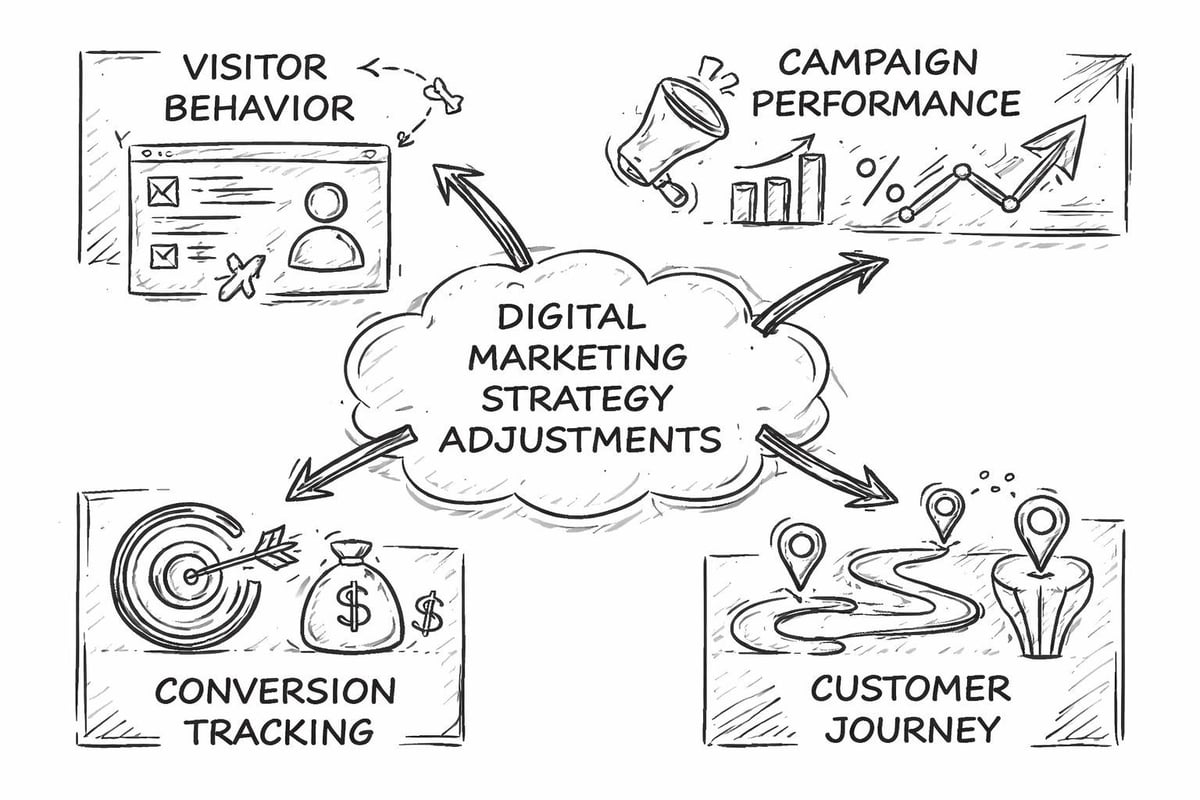
Data-driven decision-making separates successful digital strategies from those that drain resources without delivering results. Web analytics for measuring digital marketing performance demonstrates that the benefits organisations gain depend heavily on how they exploit metrics systems within their specific operational contexts.
Key Performance Indicators Worth Tracking
Understanding which metrics matter for your business objectives prevents analysis paralysis and focuses efforts on meaningful improvements.
Traffic Metrics:
- Unique visitors and sessions
- Traffic sources and channels
- Geographic and demographic data
- New versus returning visitor ratios
Engagement Metrics:
- Bounce rate and exit pages
- Average session duration
- Pages per session
- Scroll depth and interaction rates
Conversion Metrics:
- Conversion rate by traffic source
- Goal completions and micro-conversions
- Form submission rates
- E-commerce transaction values
Establishing benchmarks for your industry and business type allows realistic goal-setting and performance evaluation. Australian businesses should account for seasonal fluctuations, particularly around major holidays and regional events.
Artificial Intelligence Transforming Website and Digital Marketing
The integration of AI technologies represents one of the most significant shifts in how businesses approach their online presence and marketing strategies. Research into how AI affects consumer interaction in digital marketing highlights that artificial intelligence enhances personalised experiences and fosters deeper engagement, ultimately influencing purchasing decisions.
AI applications now span numerous aspects of website and digital marketing operations:
- Chatbots and conversational interfaces providing instant customer support
- Personalisation engines delivering customised content and product recommendations
- Predictive analytics forecasting customer behaviour and campaign performance
- Content generation tools assisting with copy creation and optimisation
- Automated bidding systems optimising paid advertising spend in real-time
For businesses working with specialists like a digital marketing expert, AI capabilities augment human strategy and creativity rather than replacing it. The most effective approaches combine algorithmic efficiency with human insight and brand understanding.
Content Strategy: The Bridge Between Website and Audience
Content serves as the primary vehicle through which your website attracts visitors, establishes authority, and nurtures relationships. A comprehensive content strategy addresses multiple audience needs across various stages of their journey.
Content Types That Drive Results
Different content formats serve distinct purposes within your overall strategy:
| Content Type | Primary Purpose | Ideal For |
|---|---|---|
| Blog articles | SEO, thought leadership | Awareness stage |
| Case studies | Social proof, credibility | Consideration stage |
| Product guides | Education, comparison | Evaluation stage |
| Video content | Engagement, demonstration | All stages |
| Infographics | Social sharing, simplification | Awareness stage |
| Whitepapers | Authority building, lead generation | Consideration stage |
Quality content creation requires understanding your audience's questions, concerns, and information preferences. Keyword research identifies search intent, whilst customer interviews and support ticket analysis reveal real-world problems your content should address.
Consistency matters significantly more than volume. Publishing one exceptional piece monthly outperforms three mediocre pieces weekly. Each content piece should serve a specific strategic purpose rather than existing simply to fill an editorial calendar.
Paid Advertising Strategies for Immediate Website Traffic
Whilst organic strategies build sustainable long-term results, paid advertising delivers immediate visibility and traffic. Understanding business digital marketing fundamentals helps determine appropriate budget allocation between paid and organic initiatives.
Platform Selection Based on Business Goals
Choosing the right advertising platforms depends on your target audience, budget, and conversion objectives:
Google Ads:
Best for capturing high-intent searches when prospects actively seek solutions. Search campaigns target specific keywords, whilst display and remarketing campaigns build awareness and re-engage previous visitors.
Meta Platforms (Facebook and Instagram):
Ideal for detailed audience targeting based on demographics, interests, and behaviours. Visual products and services particularly benefit from these platforms' engagement capabilities.
LinkedIn Advertising:
Most effective for B2B companies targeting decision-makers and professionals. Higher cost-per-click justified by qualified audience and longer sales cycles.
YouTube Advertising:
Powerful for demonstration-based products and services. Video content drives engagement and builds trust through visual storytelling.
Budget considerations in 2026 require strategic testing and optimisation. Starting with smaller campaigns across multiple platforms reveals which channels deliver the strongest return for your specific business model and audience.
Local SEO and Website Optimisation for Australian Businesses
For businesses serving specific geographic regions, local optimisation represents a critical competitive advantage. Adelaide-based companies and those serving Australian markets must implement location-specific strategies.
Essential Local Optimisation Elements:
- Google Business Profile optimisation with accurate information and regular updates
- Location-specific website pages targeting regional search terms
- Local link building from Australian directories and industry associations
- Schema markup signalling geographic service areas
- Localised content addressing region-specific concerns and preferences
Customer reviews significantly impact local search visibility and conversion rates. Encouraging satisfied customers to leave online reviews strengthens both search rankings and social proof. This approach aligns with proven strategies for building reputation and engagement.
Mobile searches with local intent continue growing, with users seeking immediate solutions whilst on the move. Ensuring your website loads quickly on mobile devices and displays critical information prominently captures this high-converting traffic.
E-commerce Considerations for Website and Digital Marketing
Businesses selling products online face unique challenges and opportunities. An ecommerce advertising agency approach integrates specialised strategies that address the complexities of online retail.
Shopping behaviour in 2026 involves extensive research across multiple touchpoints before purchase. Your website must accommodate this behaviour through comprehensive product information, customer reviews, comparison tools, and seamless checkout experiences.
E-commerce Marketing Tactics That Convert
- Abandoned cart recovery campaigns via email and retargeting ads
- Product recommendation engines increasing average order values
- Limited-time offers creating urgency without diminishing brand value
- Social proof elements including reviews, ratings, and user photos
- Multiple payment options reducing friction at checkout
- Transparent shipping and return policies building purchase confidence
Understanding how web networks influence consumer groups through marketing profit maximisation models helps e-commerce businesses allocate resources effectively across different customer segments.
Building a Sustainable Website and Digital Marketing System
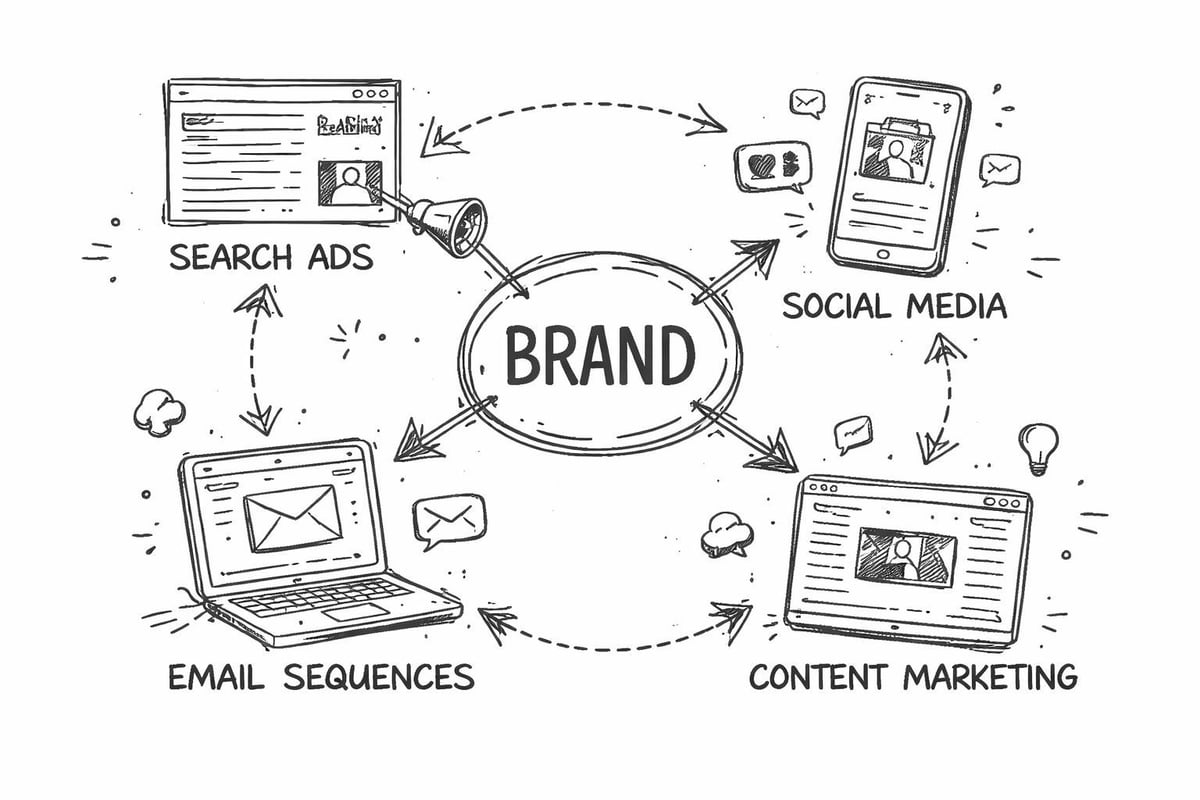
Long-term success requires viewing your digital presence as an integrated system rather than disconnected tactics. Each element should support and enhance the others, creating compound returns over time.
System Components:
- Website infrastructure optimised for performance and conversions
- Content production workflow delivering consistent, quality material
- Distribution channels amplifying reach across multiple platforms
- Conversion optimisation process continuously improving results
- Analytics and reporting framework informing strategic decisions
- Testing methodology validating assumptions and identifying opportunities
This systematic approach prevents reactive, disjointed efforts that waste resources without building sustainable momentum. Strategic planning establishes clear objectives, whilst regular review cycles ensure tactics remain aligned with evolving goals.
Emerging Trends Reshaping Website and Digital Marketing
Staying informed about developing trends allows businesses to capitalise on opportunities before competitors recognise them.
Voice Search Optimisation:
As voice-activated devices become ubiquitous, optimising for conversational queries and featured snippets captures this growing search method.
Privacy-First Marketing:
With increasing data regulations and consumer privacy concerns, first-party data strategies and consent-based marketing become essential.
Interactive Content:
Quizzes, assessments, calculators, and configurators drive engagement whilst providing valuable customer insights.
Video-First Content:
Short-form video content dominates social platforms, requiring businesses to develop video creation capabilities and strategies.
Sustainability Messaging:
Australian consumers increasingly value environmental responsibility, making sustainability credentials and transparent practices important differentiation factors.
Investment Considerations for Website and Digital Marketing
Determining appropriate budget allocation requires understanding both immediate needs and long-term objectives. Businesses often underestimate the resources required for meaningful results, leading to underfunded initiatives that fail to gain traction.
| Investment Area | Typical Budget Allocation | Expected Timeline |
|---|---|---|
| Website development | 15-25% | 3-6 months initial |
| SEO and content | 20-30% | Ongoing, 6+ months |
| Paid advertising | 25-40% | Immediate, ongoing |
| Social media | 10-20% | Ongoing |
| Email marketing | 5-10% | 2-3 months initial |
| Analytics and tools | 5-10% | Ongoing |
These percentages vary based on business maturity, industry competition, and growth objectives. Start-ups often allocate more heavily towards paid advertising for immediate visibility, whilst established businesses might emphasise SEO and content for sustainable organic growth.
Working with specialists provides expertise without the overhead of full-time employees, particularly valuable for small to medium businesses. The key lies in finding partners who understand your industry, audience, and business model rather than applying generic templates.
Developing an effective website and digital marketing strategy requires coordinating multiple elements into a cohesive system that attracts, engages, and converts your ideal customers. Success comes from understanding your audience deeply, choosing appropriate channels strategically, and optimising continuously based on performance data. Whether you're building your first website or refining an established digital presence, the integration of these elements determines your competitive position in an increasingly digital marketplace. My Heart Studio helps Australian businesses navigate these complexities with tailored web design, digital marketing, and strategic planning services that deliver measurable growth and meaningful customer engagement.